

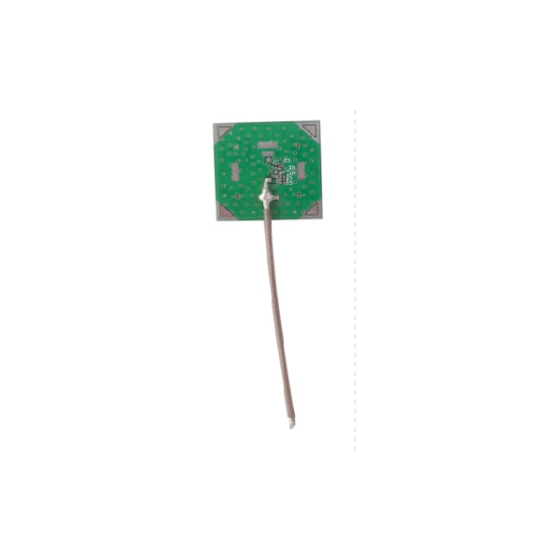
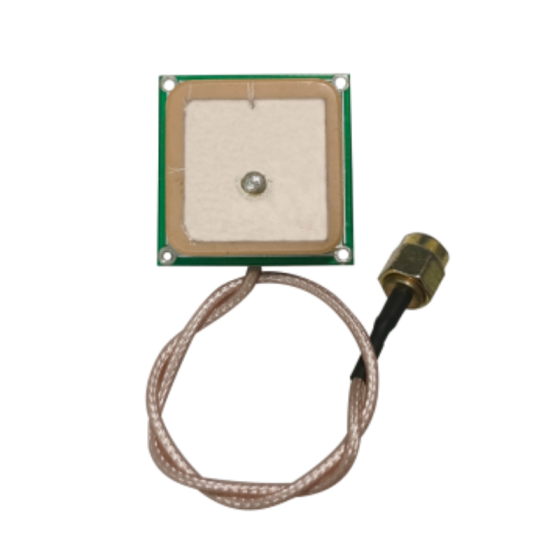
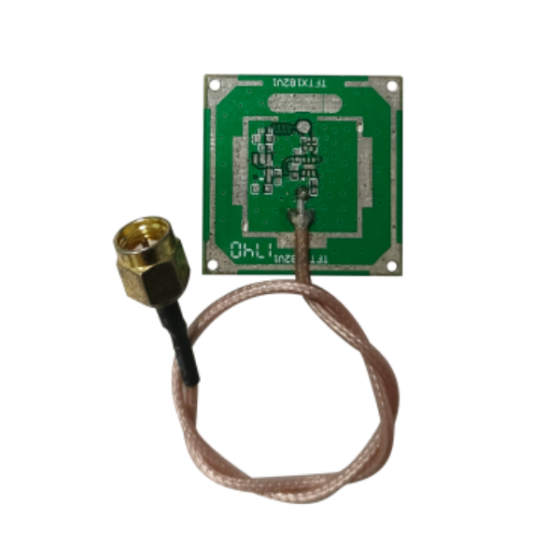
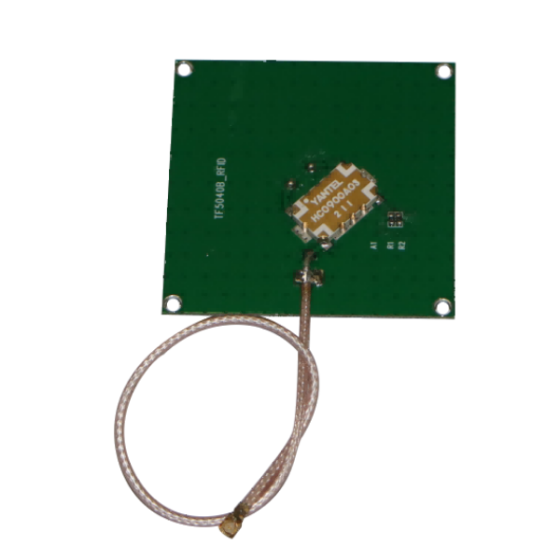


High Quality RFID Asset Tag for Faster Warehouse Asset Tracking
Warehouse operations depend on accurate information about equipment, containers, tools, and reusable assets. From pallets and storage bins to forklifts, carts, and maintenance tools, these items move constantly between receiving areas, storage locations, picking zones, production facilities, and shipping areas.
When warehouses rely on manual records or visual inspections, it can be difficult to maintain an accurate picture of where assets are and how often they are being used. A high quality RFID asset tag can provide a practical way to give each physical asset a unique digital identity and make routine tracking more efficient.
What Is an RFID Asset Tag?
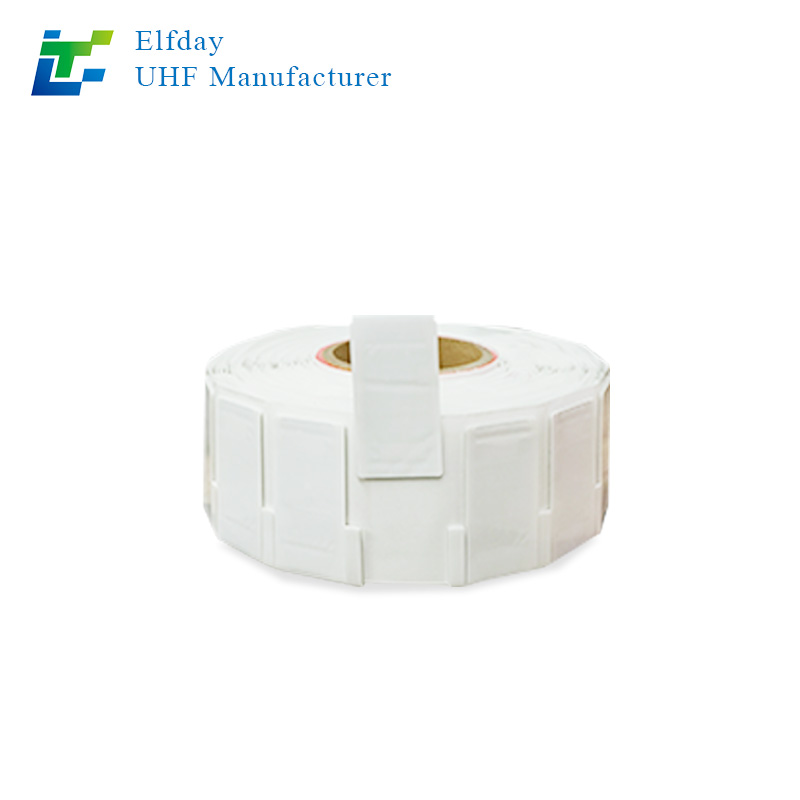
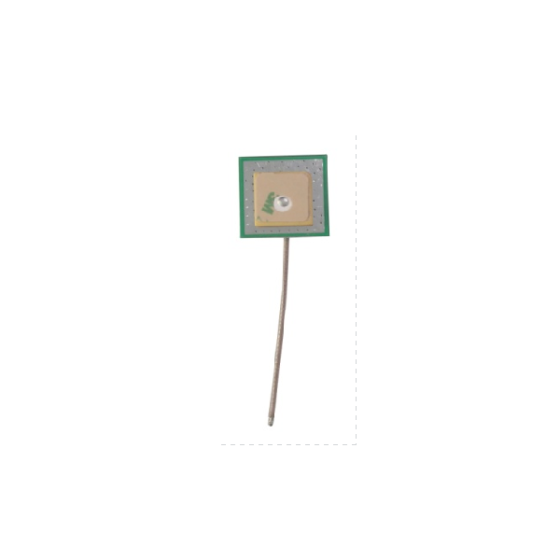
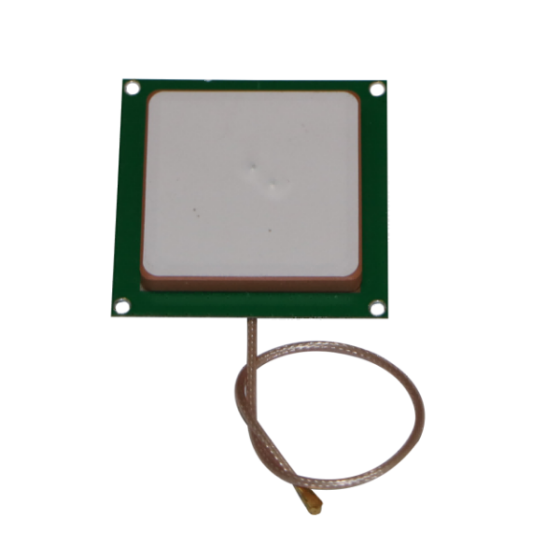
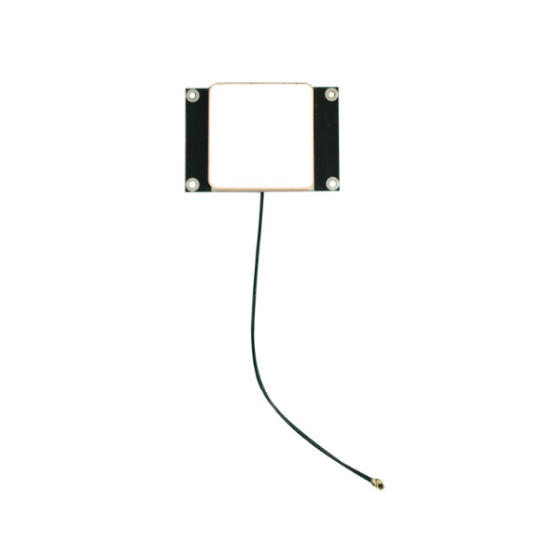
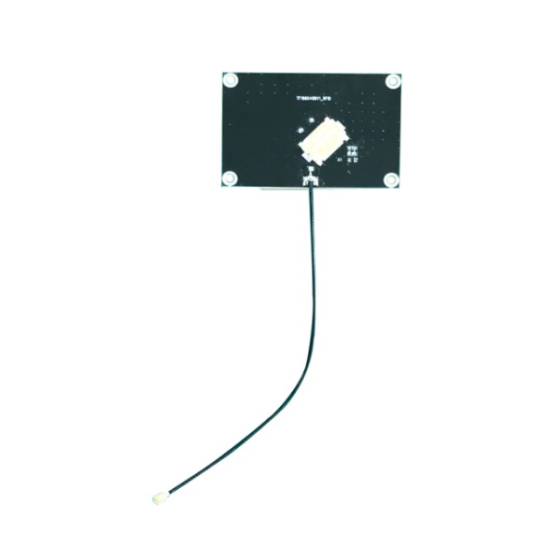
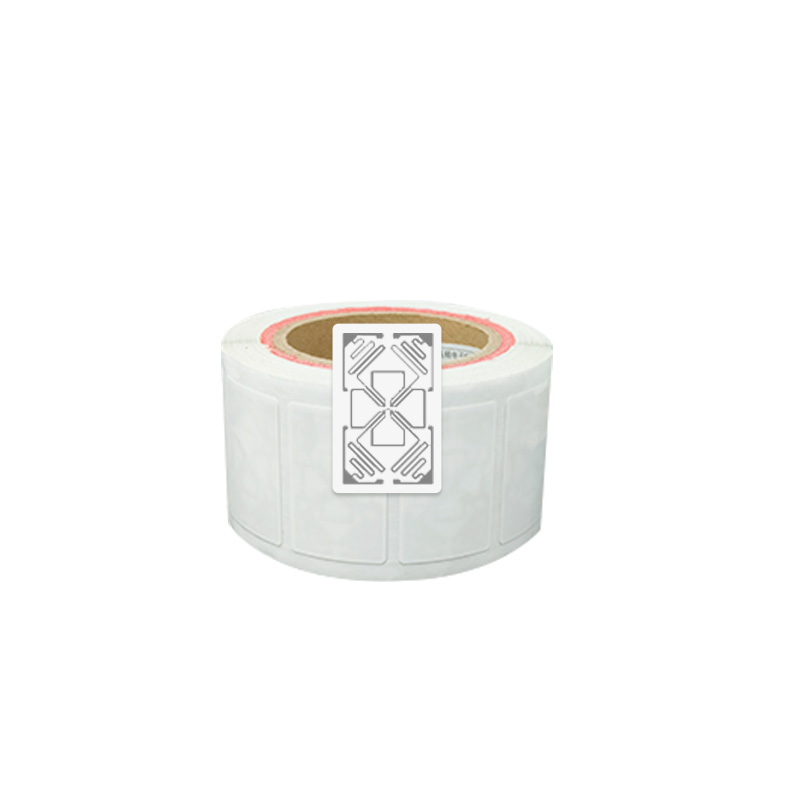
An RFID asset tag is an identification device that contains an RFID chip and antenna. The tag can be attached to a physical asset and associated with information in an asset management or warehouse management system.
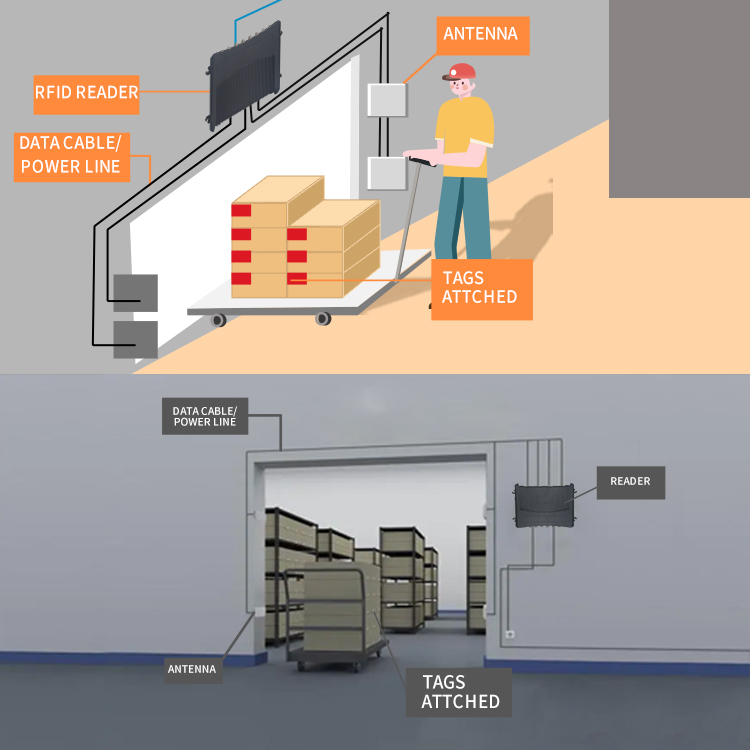
When an RFID reader detects the tag, its unique identification number can be captured wirelessly. Unlike traditional barcode labels, RFID does not always require an employee to position a scanner directly in front of the label.
This makes RFID particularly useful for warehouses where large numbers of assets need to be identified quickly.
A high quality RFID asset tag can be used on a wide range of reusable warehouse assets, including:
- Material handling equipment
- Storage containers
- Reusable bins and totes
- Warehouse carts
- Pallets
- Hand tools
- Maintenance equipment
- Racks and storage equipment
- Returnable transport containers
- Other reusable assets
Why Warehouses Need Better Asset Tracking
Inventory management usually focuses on products and materials, but reusable assets can also have a significant impact on warehouse efficiency.
A missing cart, misplaced tool, or unreturned container may not appear as a conventional inventory shortage, yet it can still interrupt daily operations. Employees may spend time searching for equipment instead of handling more productive tasks.
Traditional asset tracking methods can also become difficult when assets frequently move between locations.
For example, a reusable container might move from receiving to storage, then to picking, shipping, another warehouse, and eventually back to the original facility. Keeping track of these movements manually can require considerable administrative work.
Using a high quality RFID asset tag allows each asset to have a consistent digital identity that can be recognised as it moves through different areas.
Faster Identification of Warehouse Equipment
Material handling equipment is often shared between different warehouse zones. Carts, pallet jacks, containers, and other equipment may not always remain in their designated locations.
RFID can help warehouse teams identify tagged assets more efficiently during routine checks.
Instead of manually reading asset numbers or checking individual labels, employees can use compatible RFID readers to detect multiple tagged assets. The collected information can then be compared with existing asset records.
This can make regular asset audits faster and help staff identify equipment that may require further investigation.
Tracking Reusable Containers and Totes
Reusable containers are commonly used to move products and materials around warehouses and distribution networks.
Because these containers circulate repeatedly, maintaining visibility can be challenging. Some may remain in another warehouse, be sent to a supplier, or simply be misplaced during daily operations.
A high quality RFID asset tag can give each container a unique identity. RFID readers can then help identify containers at key points in their journey.
For example, businesses can use RFID identification during:
- Container receiving
- Storage
- Picking
- Order fulfilment
- Shipping
- Returns
- Container collection
- Routine inventory checks
This provides a more systematic way to monitor reusable assets and can help reduce losses caused by poor visibility.
Improving Tool Tracking in Warehouses
Tools used for maintenance, repairs, and warehouse operations are another category of assets that can benefit from RFID identification.
Tools are frequently moved between work areas, maintenance rooms, equipment stations, and storage locations. When several employees share the same equipment, it can become difficult to determine where a particular tool was last used.
A high quality RFID asset tag can be attached to suitable tools and linked to their digital asset records.
During an equipment audit, warehouse staff can use RFID readers to identify tagged tools more efficiently. This can simplify inventory checks and help teams maintain better records of valuable equipment.
For tools that are exposed to demanding environments, the tag should be selected according to factors such as impact resistance, surface material, temperature, moisture, and expected service life.
Reducing Time Spent on Manual Checks
Manual asset checks can consume significant amounts of employee time, especially in large warehouses.
A typical manual inspection may require employees to:
- Locate an asset.
- Read its identification number.
- Record the information.
- Compare it with an inventory list.
- Repeat the process for every asset.
When hundreds or thousands of assets are involved, these repetitive steps can become inefficient.
RFID can simplify the identification stage by allowing compatible readers to capture tag information wirelessly. A high quality RFID asset tag therefore supports a more automated approach to asset identification.
The goal is not simply to replace manual work, but to reduce repetitive identification tasks so employees can focus on higher-value warehouse activities.
Supporting Better Warehouse Asset Visibility
Asset tracking becomes more useful when RFID identification is connected with accurate digital records.
Each RFID tag can be associated with information such as:
- Asset identification number
- Asset type
- Current location
- Department or warehouse
- Maintenance status
- Assignment information
- Inspection history
- Movement records
This creates a connection between the physical asset and its digital record.
For warehouse managers, improved visibility can make it easier to understand which assets are available, which are being used, and which may need attention.
Choosing the Right RFID Asset Tag for a Warehouse
The warehouse environment should be considered carefully before selecting RFID tags.
Different assets may require different tag designs. A small plastic storage bin may need a different RFID tag from a metal cart or heavy-duty piece of handling equipment.
Important considerations include:
Mounting Surface
Plastic, cardboard, wood, and metal can affect RFID performance differently. For metal equipment, specialised on-metal RFID tags may be required.
Read Performance
The required reading distance depends on how the tags will be identified. Applications involving handheld readers may have different requirements from fixed RFID gates or portals.
Durability
Warehouse assets may experience impacts, vibration, moisture, dust, temperature changes, and frequent handling. The tag should be durable enough for its intended environment.
Tag Size
The physical size of the asset should be considered when choosing a tag. Smaller equipment may require compact tags, while larger industrial assets may accommodate more robust designs.
Adhesion and Installation
A tag should remain securely attached throughout normal use. The surface should also be prepared appropriately before installation to improve long-term adhesion.
RFID Asset Tracking for Growing Warehouses
As warehouse operations become more complex, maintaining visibility over reusable equipment becomes increasingly important.
A high quality RFID asset tag provides a scalable identification method for warehouses managing large numbers of equipment and reusable assets. By assigning a unique digital identity to each item, businesses can improve the way assets are identified, audited, and monitored.
RFID can also support gradual implementation. A warehouse may begin by tagging high-value tools or frequently misplaced containers before expanding the system to other asset categories.
This approach allows businesses to focus on the areas where improved asset visibility can provide the greatest operational benefit.
Efficient warehouse management requires more than tracking products and inventory. Reusable equipment, containers, tools, carts, pallets, and other assets also need to be visible and properly managed.
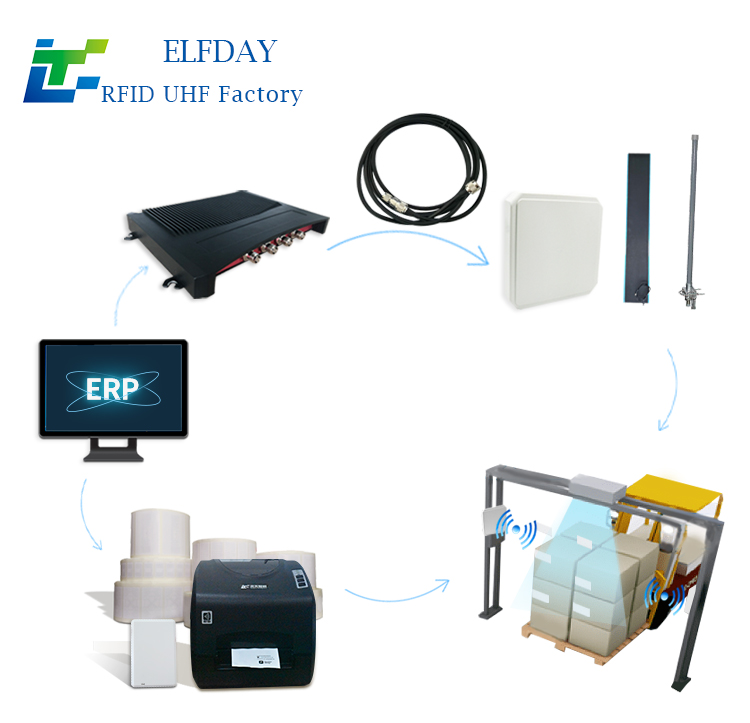
A high quality RFID asset tag can give each physical asset a unique digital identity and support faster wireless identification. When combined with RFID readers and appropriate asset management software, it can help warehouses reduce manual checking, improve asset visibility, and make routine inventory audits more efficient.
For warehouses looking to improve asset tracking, RFID provides a flexible approach that can be adapted to different equipment types, operating environments, and workflow requirements.