



RFID Tags on Patients for Faster and Smoother Hospital Admission
Hospital admission is often the first step in a patient's healthcare journey. From verifying personal information to creating records and assigning a hospital room, staff need to process accurate information while keeping the registration process moving. When patient volumes are high, traditional identification methods can make admission more time-consuming and increase the possibility of data-entry or identification errors.
RFID tags on patients can help streamline this process by giving each patient a unique digital identity. With an RFID-enabled identification system, healthcare staff can use RFID readers to identify patients and connect them with the appropriate medical records. This can make admission workflows more efficient while providing an additional layer of identification.
What Role Do RFID Tags Play During Hospital Admission?
When a patient is admitted to a hospital, staff typically need to verify information such as the patient's name, date of birth, identification number, appointment details, and medical record.
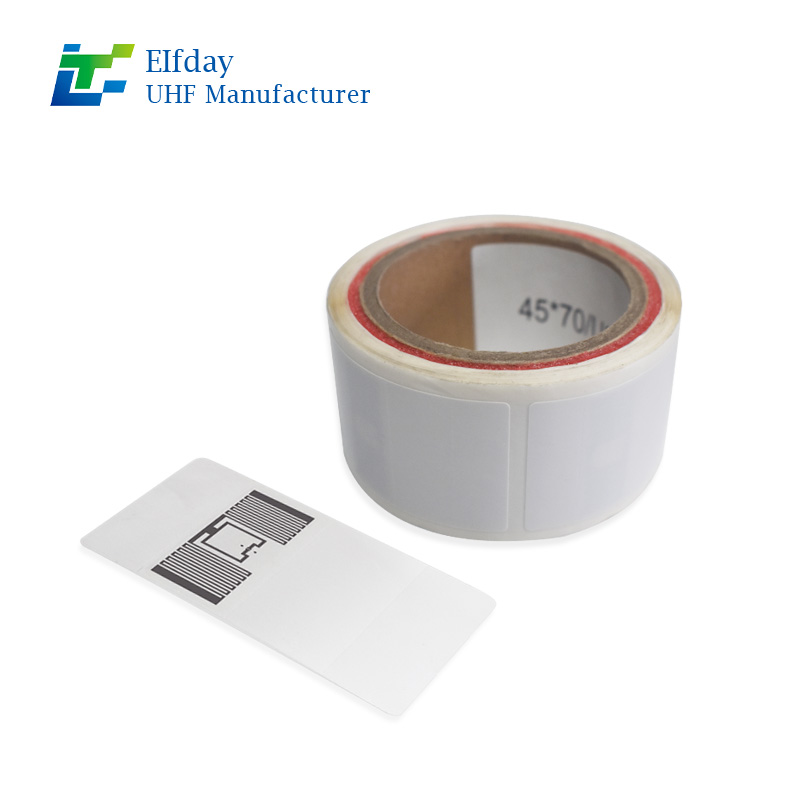
An RFID tag can provide a unique identifier associated with the patient's record. Instead of relying entirely on manually entering or searching for information, staff can use an RFID reader to capture the tag's identification number.
The system can then use this identifier to retrieve the corresponding patient record.
This creates a connection between the physical patient and their digital record, helping staff complete identification tasks more efficiently.
How RFID Tags on Patients Support Registration
A typical RFID-based admission workflow can begin when a patient arrives at the registration desk.
After the patient's information has been verified, an RFID tag may be assigned to the patient. The tag can be incorporated into a wristband or another suitable form of patient identification.
The unique RFID identifier is then associated with the patient's record in the hospital information system.
When the patient needs to be identified later, an RFID reader can capture the tag information. Staff can use the resulting information to access the appropriate patient record without repeatedly searching for the patient manually.
This can make the registration process more consistent and reduce unnecessary administrative steps.
Faster Patient Identification
Patient identification is an important part of hospital admission. Staff need to ensure that the correct record is associated with the correct person before treatment or other healthcare services begin.
Traditional identification methods may require staff to manually read a wristband, enter an identification number, or search for a patient's name in a database.
RFID tags on patients provide an electronic alternative. A compatible RFID reader can capture the tag's unique identifier without requiring staff to manually type the identification number.
In a busy admissions area, this can help reduce repetitive tasks and make the identification process faster.
Connecting Patients With Medical Records
One of the most useful features of RFID-based identification is the ability to connect a physical RFID tag with a digital patient record.
The RFID tag itself can simply contain a unique identification number. Patient information can remain within the hospital's information system rather than being stored directly on the physical tag.
When the tag is read, the system can use the identifier to locate the appropriate medical record.
This approach can help create a clear link between the patient and their digital information while limiting the amount of sensitive information displayed on the physical identification device.
Reducing Manual Data Entry
Manual data entry can take time, particularly when staff need to enter the same information repeatedly.
During admission, information may be recorded at several points, including registration, insurance processing, ward assignment, and subsequent clinical procedures.
RFID identification can reduce the need to repeatedly enter identification numbers manually. Once the patient has been assigned an RFID tag, compatible readers can capture the tag's unique ID electronically.
This does not eliminate the need for staff verification, but it can simplify routine identification tasks and reduce opportunities for typing errors.
Supporting a Better Patient Experience
Hospital admission can be stressful for patients, especially when they are unfamiliar with the facility or need care quickly.
Long registration processes and repeated requests for the same information can add to that experience.
By improving the efficiency of patient identification, rfid tags on patients can help reduce unnecessary delays during certain admission workflows.
For example, once a patient's information has been registered and an RFID tag has been assigned, staff in other areas may be able to identify the patient electronically rather than repeatedly asking for the same identification details.
A more streamlined process can help patients move through admission and subsequent services more smoothly.
RFID Tags for Inpatient Admission
RFID identification can continue to provide value after the initial registration process.
Once a patient is assigned to a hospital ward, the RFID tag can remain associated with the patient's record throughout the stay.
Staff may use RFID readers at different points to identify patients before examinations, treatments, transfers, or other procedures.
This creates a consistent identification method that can follow the patient from admission through different stages of care.
The result is a more connected workflow between the admissions department and other hospital departments.
Supporting Patient Transfers
Patients are often transferred between different areas after admission. They may move from an admission area to a ward, diagnostic department, treatment room, or operating area.
Every transfer creates another opportunity for patient identification.
RFID tags on patients can provide staff with a quick way to electronically identify the patient during these movements.
When integrated with appropriate software, the RFID system can associate the patient's unique identifier with relevant workflow information, helping staff maintain better continuity as the patient moves through the hospital.
RFID Tags and Patient Safety
Efficient admission is important, but accuracy is even more important.
A patient record contains information that may affect many aspects of care. Associating the wrong patient with the wrong record can create serious problems.
RFID-based identification can provide an additional verification method. Instead of depending only on visual checks or manual searches, healthcare staff can use an RFID reader to confirm the electronic identity associated with the patient.
RFID should be considered a supporting technology rather than a replacement for established patient identification procedures. Hospitals can combine RFID with existing verification practices to create a more robust identification workflow.
Choosing RFID Tags for Hospital Admission
The design of an RFID tag is important when it will be worn by patients.
For short-term hospital stays, RFID wristbands may need to be lightweight, comfortable, and easy to wear. The tag should remain securely attached throughout normal patient activities while allowing healthcare staff to read it reliably.
Hospitals may also consider factors such as:
- RFID frequency and communication technology
- Reader compatibility
- Reading distance
- Wristband material
- Patient comfort
- Water and moisture resistance
- Disposable or reusable design
- Data security requirements
- Integration with existing hospital systems
The best choice depends on the intended application and the hospital's workflow.
Privacy and Security Considerations
Patient identification involves sensitive information, so privacy should be considered when implementing RFID technology.
A practical approach is to use the RFID tag as a unique identifier rather than storing detailed medical information directly on it.
The healthcare information system can maintain the patient's records and use the RFID identifier to retrieve the appropriate information when authorized staff read the tag.
Access controls and other security measures should be used to protect patient data. RFID technology should be implemented as part of the hospital's broader information security and privacy framework.
Beyond Hospital Registration
The value of rfid tags on patients is not limited to the admission desk.
Once the patient has been assigned a unique RFID identity, the same identification method can potentially support other hospital processes, including:
- Inpatient identification
- Patient transfers
- Diagnostic testing
- Medication verification
- Surgery preparation
- Emergency department workflows
- Patient location management
- Maternity and newborn identification
- Discharge procedures
This allows RFID-based identification to become part of a broader digital patient management workflow rather than being used only for registration.
RFID tags on patients can help hospitals make admission and registration more efficient by connecting each patient with a unique digital identity. RFID readers can capture this identity quickly and help authorized staff access the appropriate medical record.
From faster identification and reduced manual data entry to smoother patient transfers and better workflow continuity, RFID technology can support multiple stages of the hospital admission process.
When combined with established patient verification procedures, secure information systems, and appropriately designed RFID tags, RFID-based patient identification can provide a practical way to create a faster, more connected, and more efficient hospital admission experience.