



RFID Tags on Patients for Improved Patient Identification and Safety
In a busy hospital, accurate patient identification is essential. Healthcare professionals may need to identify the same patient several times throughout the day, from admission and diagnostic testing to medication administration and treatment. When identification depends entirely on manual checks, busy workflows can increase the possibility of mistakes.
RFID tags on patients offer a practical way to support more efficient patient identification. By giving each patient a unique digital identity, RFID technology can help healthcare staff quickly verify patient information using RFID readers. When properly integrated with hospital workflows, this approach can improve identification efficiency while adding another layer of support for patient safety.
What Are RFID Tags on Patients?
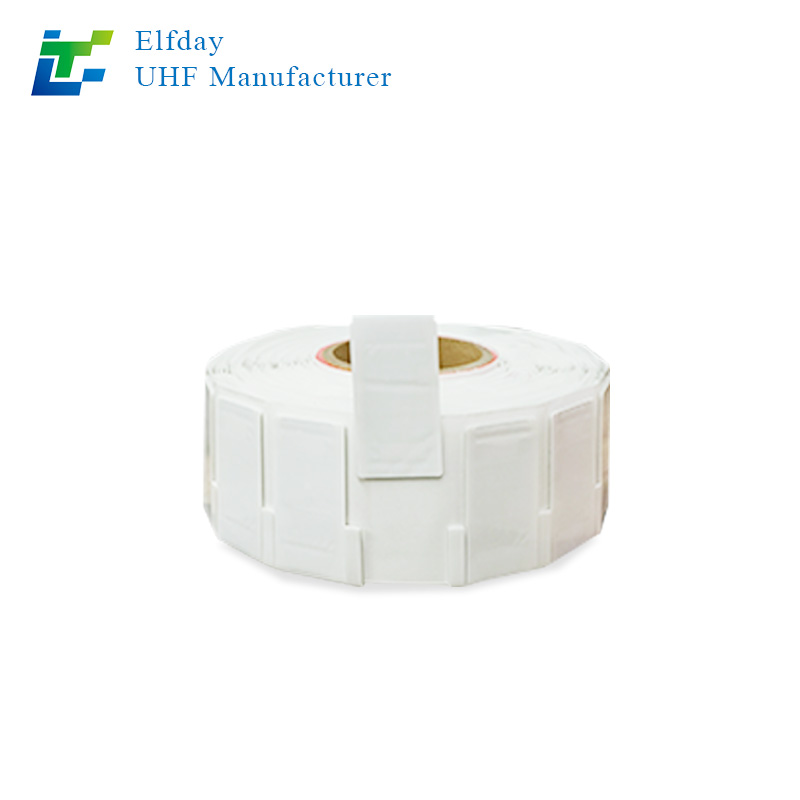
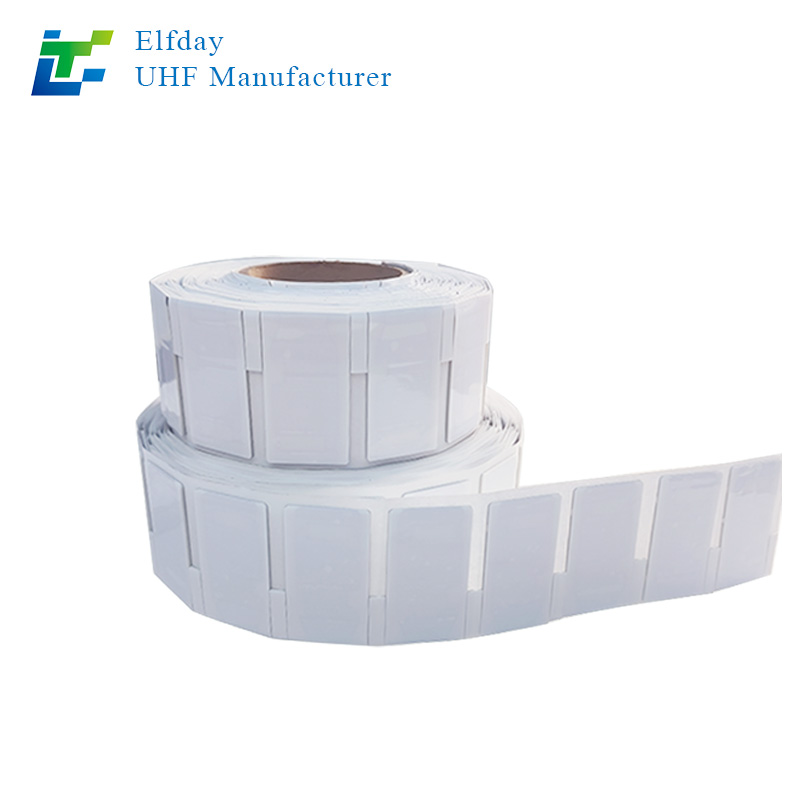
RFID tags on patients are small identification devices that can be attached to a patient wristband, badge, or other suitable identification method. Each RFID tag contains a unique identifier that can be associated with the patient's information in a healthcare management system.
Unlike traditional identification methods that require staff to visually read printed information or manually enter details, RFID technology allows compatible readers to capture the tag's identification data electronically.
The RFID tag itself does not necessarily need to contain all of the patient's medical information. Instead, its unique ID can be linked to information stored in a secure healthcare database. This approach can make patient identification faster while helping limit the amount of information physically displayed on the identification tag.
Why Patient Identification Matters
Patient identification is an important part of everyday hospital operations. A patient may interact with multiple departments and healthcare professionals during a single visit.
For example, a patient may first check in at reception, move to an examination room, visit a diagnostic imaging department, receive medication, and later return to a hospital ward. At each stage, staff need to confirm that the correct patient is receiving the correct service.
Manual identification can become more difficult when hospitals are busy. Similar names, crowded departments, patient transfers, and time-sensitive situations can all make identification more challenging.
RFID tags on patients can provide an additional electronic identification method that works alongside existing procedures.
How RFID Tags on Patients Work
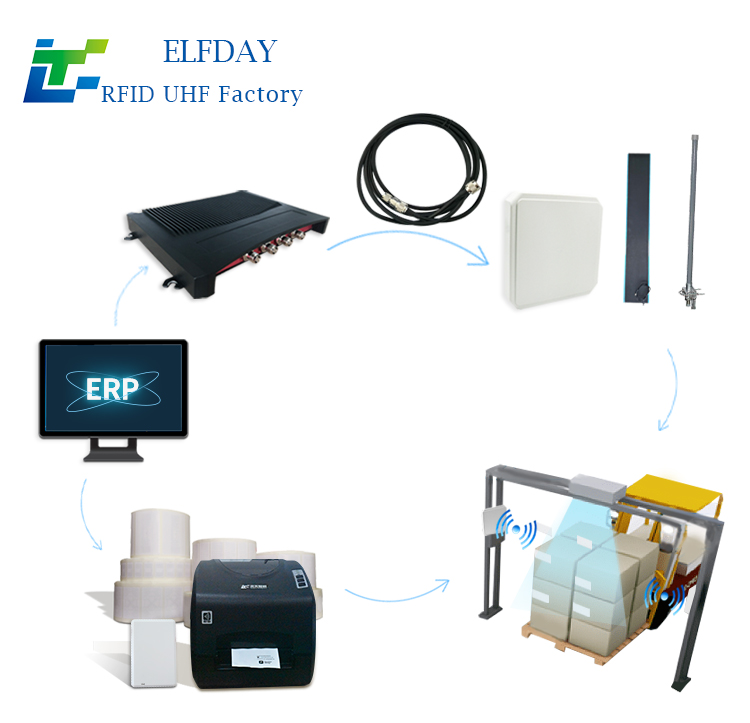
A typical RFID-based patient identification process involves three main components: the RFID tag, RFID reader, and healthcare information system.
First, an RFID tag is assigned to a patient and associated with the appropriate patient record. The tag provides a unique identification number.
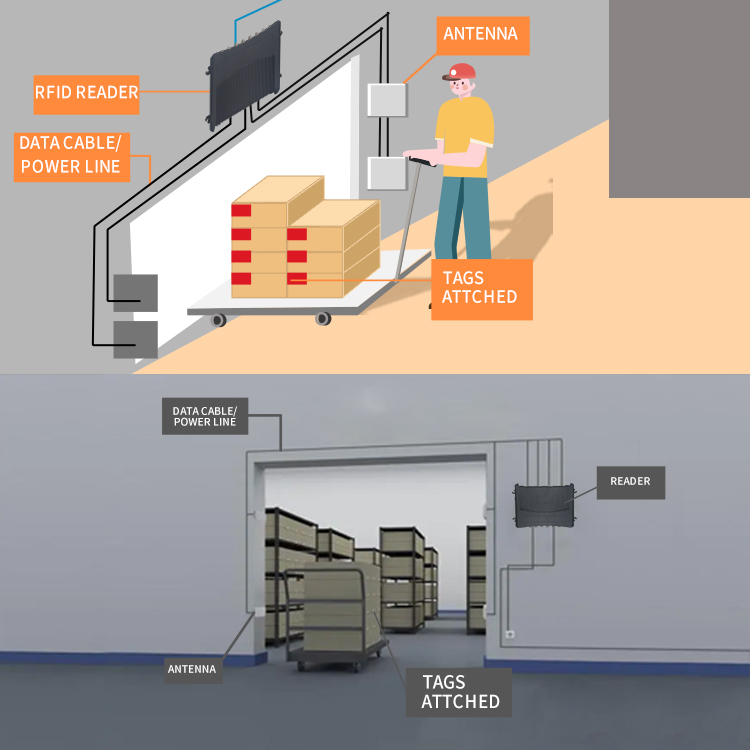
When the patient reaches a designated area, an RFID reader can detect the tag and retrieve its identifier. The connected system can then use that identifier to locate the corresponding patient record.
Healthcare staff can review the relevant information and confirm the patient's identity before continuing with the next step of the workflow.
This process can reduce the need for repetitive manual data entry and make patient identification more consistent across different areas of a healthcare facility.
RFID Tags on Patients for Hospital Admissions
Patient identification begins when a person enters a hospital or healthcare facility.
During admission, staff typically collect patient information, create or verify a patient record, and provide an identification wristband or other form of identification.
Adding RFID technology to this process can create a digital connection between the physical patient identification tag and the patient's electronic record.
Once the RFID tag is assigned, staff in other departments can use compatible readers to identify the patient without repeatedly entering the same information manually.
This can help create a smoother transition between registration and subsequent healthcare services.
Supporting Patient Identification During Treatment
Patients often move between different departments during their stay. They may visit laboratories, imaging departments, treatment rooms, operating areas, or other clinical locations.
RFID tags on patients can provide a consistent identification method throughout these movements.
For example, before a diagnostic procedure, staff can use an RFID reader to identify the patient and retrieve the associated record. The same identification approach can potentially be used before treatment or when transferring the patient to another department.
This can improve workflow continuity and provide healthcare workers with an additional method for confirming patient identity.
Reducing Identification Errors
One of the main benefits of RFID-based patient identification is the potential to reduce errors caused by manual identification processes.
A printed wristband may require staff to read a patient's name, date of birth, or identification number. In a busy environment, information can be difficult to read or may be entered incorrectly into a system.
RFID technology automates the capture of the tag's unique identifier. Instead of relying entirely on visual inspection or manual data entry, staff can use an RFID reader to electronically identify the associated patient record.
RFID should not replace established patient verification procedures, but it can serve as an additional layer of identification within a broader patient safety strategy.
Improving Workflow Efficiency
Hospitals manage large numbers of patients every day, and healthcare staff often have limited time.
RFID tags on patients can help simplify repetitive identification tasks. Rather than manually searching for a patient record each time identification is required, staff can scan or read the RFID tag and retrieve the associated information through an integrated system.
This can be particularly useful in environments where patients frequently move between departments.
By reducing unnecessary administrative steps, RFID technology may allow healthcare workers to spend more time on direct patient care and less time on repetitive identification tasks.
Applications Beyond Basic Identification
Although patient identification is a primary application, RFID technology can support broader healthcare workflows.
Depending on the system design, RFID tags on patients may be used alongside processes such as:
- Patient admission and registration
- Patient transfers between departments
- Diagnostic testing
- Medication verification
- Surgical workflow management
- Emergency department identification
- Maternity and newborn identification
- Pediatric patient management
- Long-term care
- Patient location monitoring
The exact application depends on the RFID technology, hospital infrastructure, privacy requirements, and software integration.
Choosing the Right RFID Tag for Patients
Patient identification applications require careful consideration when selecting RFID tags.
Comfort is particularly important because a patient may need to wear the tag for hours or days. The tag should be lightweight, secure, and suitable for the intended wearing method.
Hospitals should also consider read performance, operating frequency, reader compatibility, durability, and environmental conditions.
For short-term patient identification, a disposable or low-cost RFID wristband may be appropriate. For other applications, facilities may require different tag designs or reusable identification devices.
The right choice depends on how the RFID system will be used and how long the patient needs to be identified.
Privacy and Data Security Considerations
Patient information is highly sensitive, so privacy and security should be considered when implementing RFID-based identification.
A common approach is to use the RFID tag primarily as a unique identifier rather than storing detailed medical information directly on the tag.
When the tag is read, the identification number can be used to retrieve the relevant information from a secure healthcare system. Access controls, authentication, encryption, and appropriate data-management practices can help protect patient information.
RFID technology should therefore be implemented as part of a broader healthcare information security strategy rather than viewed as a standalone solution.
The Future of RFID-Based Patient Identification
As healthcare facilities continue to adopt digital technologies, efficient identification is becoming increasingly important.
RFID tags on patients can provide a bridge between physical patient identification and digital healthcare systems. By connecting a patient's physical presence with a unique digital identity, RFID technology can support faster verification and more efficient workflows.
Future healthcare environments may combine RFID with electronic health records, real-time location systems, automated workflow management, and other digital technologies.
The goal is not simply to track patients, but to make healthcare processes more connected, accurate, and efficient while maintaining appropriate privacy and security controls.
RFID tags on patients can provide a unique digital identity that helps healthcare staff identify and verify patients more efficiently. By using RFID readers to capture tag information, hospitals can reduce repetitive manual identification tasks and add another layer of support for patient safety.
From hospital admission and treatment to diagnostic testing and patient transfers, RFID technology can fit into a variety of healthcare workflows.
When combined with appropriate verification procedures, secure data management, and suitable RFID hardware, patient RFID identification can help healthcare facilities create more efficient and reliable patient management processes.