



Car RFID Tag for Automated Vehicle Access Control
Managing vehicle access can become complicated when a parking facility, gated community, business campus, or private site handles a large number of vehicles every day. Traditional methods such as key cards, paper permits, security checks, and manual registration can slow down entry and create additional work for staff.
A car RFID tag offers a practical way to automate vehicle identification. By assigning a unique digital identity to each authorized vehicle, an RFID system can recognize vehicles as they approach an access point and support faster, more organized entry and exit.
What Is a Car RFID Tag?
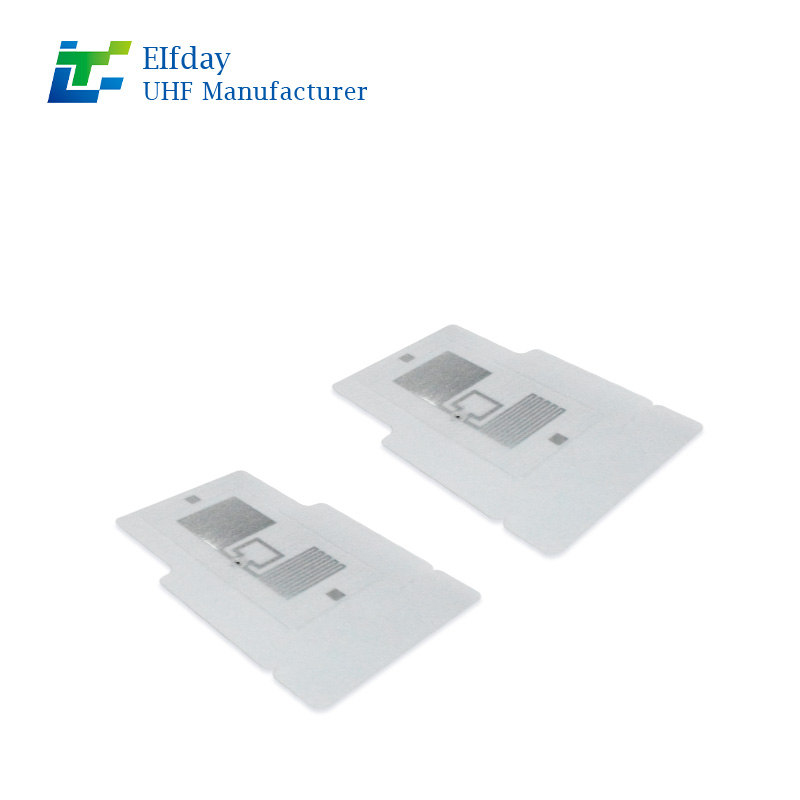
A car RFID tag is an RFID identification device designed to be associated with a specific vehicle. The tag stores a unique identification number that can be detected by a compatible RFID reader.
Unlike systems that require drivers to manually present a card or enter information, RFID technology can identify a tagged vehicle when it comes within the reader's operating range. The identification data can then be sent to an access control or vehicle management system for verification.
Depending on the application, a car RFID tag may be installed on a windshield, vehicle body, license plate area, or another suitable location. The appropriate tag design and installation method depend on factors such as reading distance, vehicle structure, mounting surface, and environmental conditions.
How Does RFID Vehicle Access Control Work?
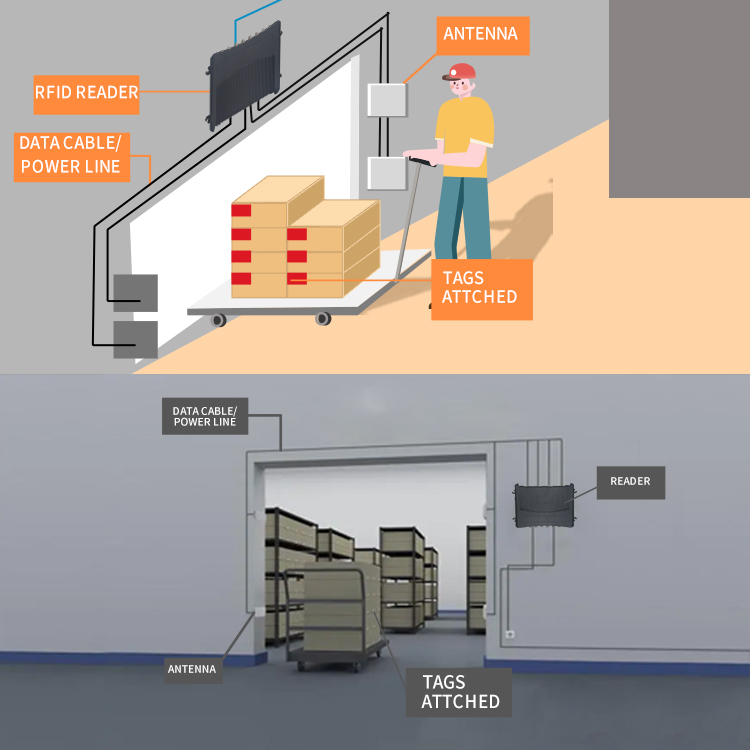
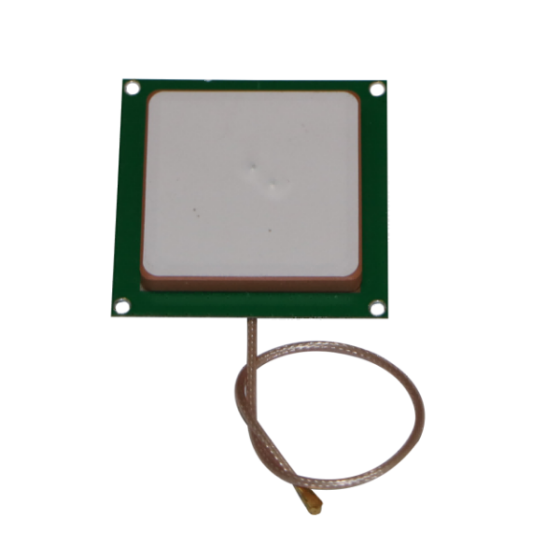
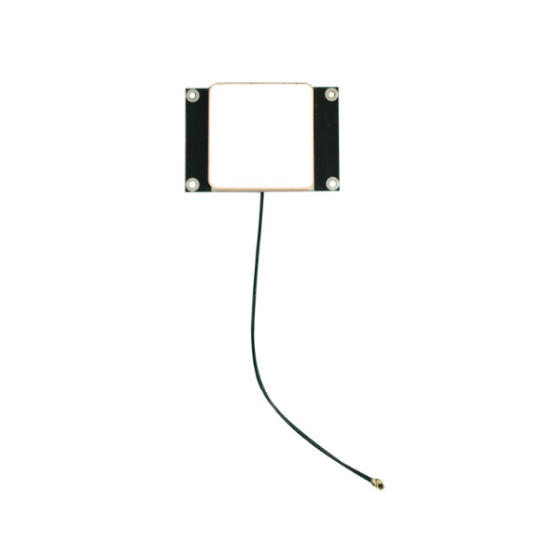
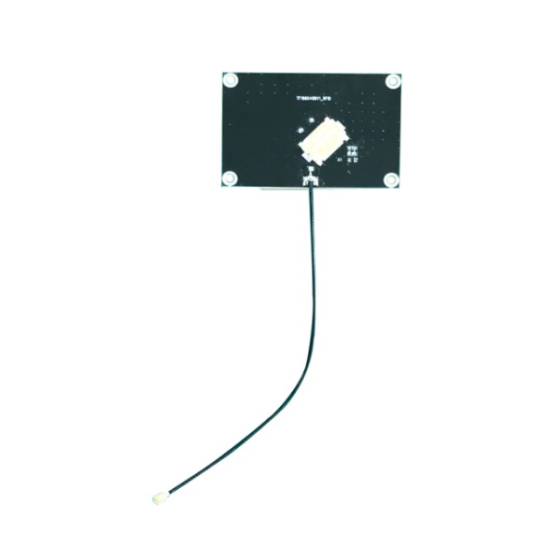
A typical RFID vehicle access control system consists of an RFID tag, RFID reader, antenna, and management software.
The process is relatively straightforward:
- A unique tag is assigned to a vehicle.
Each authorized vehicle receives a car RFID tag with a unique identification code. - The vehicle approaches an access point.
When the vehicle enters the RFID reader's detection area, the system attempts to read the tag. - The RFID reader captures the tag ID.
The reader receives the identification information without requiring the driver to manually scan a card. - The system checks authorization.
The vehicle's tag ID can be compared with information stored in the access control database. - Access is granted or denied.
If the vehicle is authorized, the system can trigger the appropriate access mechanism, such as a gate or barrier. - The event can be recorded.
Entry and exit information can be stored for vehicle management, security, or reporting purposes.
This automated workflow can reduce repetitive manual checks while providing a more consistent approach to vehicle identification.
Car RFID Tag for Parking Facilities
Parking facilities are one of the most practical applications for RFID vehicle identification. Large parking lots and garages may need to process hundreds or thousands of vehicles throughout the day.
A car RFID tag can give each authorized vehicle a unique identity. When the vehicle approaches an entrance or exit, an RFID reader can detect the tag and send the information to the parking management system.
This can help parking operators:
- Automate vehicle identification
- Record entry and exit events
- Reduce manual verification
- Improve traffic flow at access points
- Manage authorized vehicles more efficiently
- Maintain more consistent parking records
For long-term parking users, RFID can also provide a more convenient experience because drivers may not need to stop and manually present an access card every time they enter the facility.
Car RFID Tag for Gated Communities
Gated residential communities often need to manage access for residents, employees, service providers, and visitors. Manual security checks can become time-consuming, especially during busy periods.
A car RFID tag can be assigned to approved resident vehicles and used as part of an automated gate access system. When a tagged vehicle approaches the entrance, the RFID reader can identify the vehicle and allow the access system to determine whether entry should be permitted.
This approach can make routine resident access more convenient while helping security personnel focus on unusual or unauthorized access events.
RFID can also be useful when a household has multiple vehicles. Each vehicle can have its own unique tag identity, allowing the management system to maintain separate records.
Car RFID Tag for Private Sites and Business Properties
Private facilities such as warehouses, factories, office campuses, distribution centers, and restricted parking areas may need to control which vehicles can enter specific locations.
A car RFID tag can help create a digital identification system for these vehicles. Instead of relying solely on visual inspection or manually checking permits, the facility can use RFID readers to automatically identify vehicles at designated access points.
For example, a business could use RFID vehicle identification to manage:
- Employee parking areas
- Restricted loading zones
- Warehouse entrances
- Manufacturing facility gates
- Visitor vehicle access
- Service vehicle entry
- Private fleet parking
The system can also be configured to support different access permissions based on vehicle identity, location, or operating requirements.
Why Use RFID for Vehicle Access Control?
The main advantage of RFID is automation. When properly designed, an RFID system can identify vehicles with minimal driver interaction.
Faster Vehicle Identification
Manual identification can take time, particularly when security staff need to check permits or registration information. RFID can automate the initial identification step and help vehicles move through access points more efficiently.
Less Manual Work
Automated identification reduces repetitive tasks for security and parking personnel. Staff can spend more time handling exceptions, visitors, and security-related situations instead of checking every authorized vehicle individually.
Unique Vehicle Identity
Each car RFID tag can have a unique identification number. This allows vehicles to be distinguished within a database and connected with relevant access permissions or management records.
Better Access Records
RFID systems can record when tagged vehicles pass designated access points. These records can support operational management, security reviews, and reporting.
Convenient User Experience
For authorized drivers, RFID can make routine entry and exit more seamless. The driver does not necessarily need to stop and manually present a card or enter a code at every access point.
Choosing the Right Car RFID Tag
Not every vehicle access application has the same requirements. Before selecting a car RFID tag, several factors should be considered.
Reading distance is important when vehicles need to be identified before reaching a gate or barrier. The required distance depends on the reader, antenna configuration, tag performance, vehicle speed, and installation environment.
Mounting location should also be considered. Windshield-mounted tags, exterior tags, and other installation options may provide different performance depending on the vehicle and application.
Environmental durability matters for outdoor installations. Tags exposed to sunlight, temperature changes, moisture, dust, and vibration should be designed for the conditions in which they will operate.
Compatibility is another important consideration. The tag should work with the RFID reader and system architecture being used by the facility.
For sites with metal surfaces or challenging installation conditions, specialized RFID tag designs may be more appropriate than standard tags.
Improving Automated Vehicle Access with RFID
A car RFID tag works best when it is part of a well-designed access control system. The tag itself provides vehicle identification, while the reader, antenna, software, and access hardware work together to complete the process.
For larger facilities, RFID can also be integrated with other technologies. For example, vehicle identification may be combined with cameras, barriers, parking management software, or visitor management systems.
This layered approach can provide both automation and additional verification when required.
A car RFID tag provides a simple way to give vehicles a unique digital identity and support automated access control. From parking facilities and gated communities to private sites, business campuses, and restricted areas, RFID can help organizations identify authorized vehicles more efficiently.
By reducing manual identification and creating more consistent vehicle access records, RFID technology can make everyday entry and exit operations faster and easier to manage. With the right tag, reader, installation method, and access control system, RFID can become a practical foundation for smarter vehicle management.