

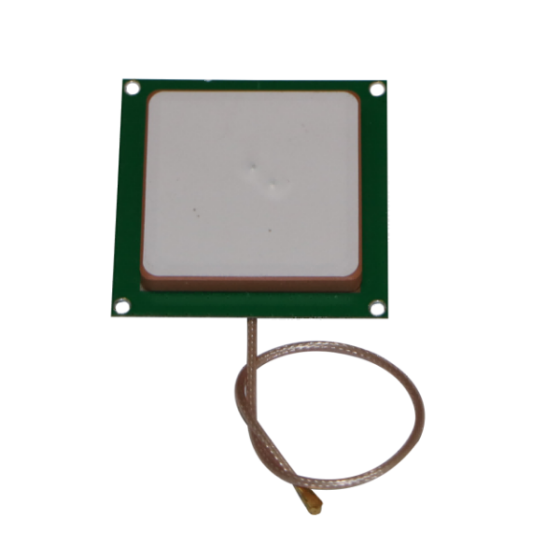
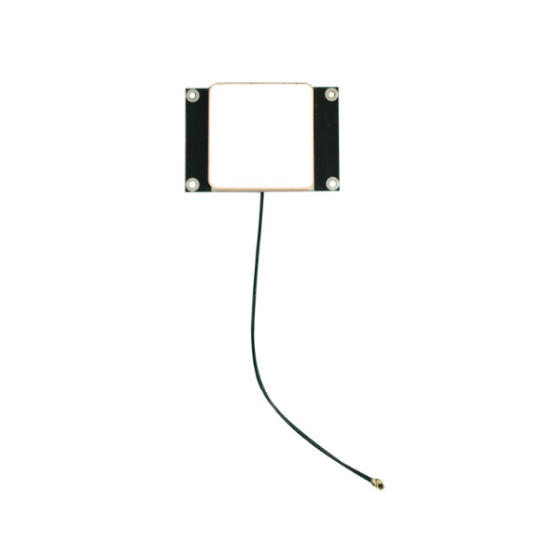
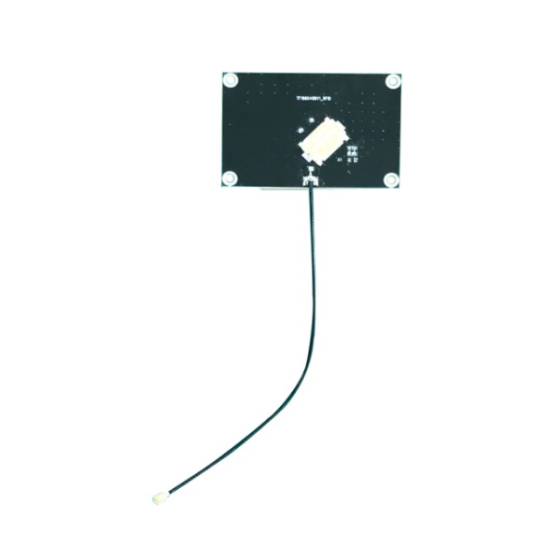


High Quality RFID Asset Tag for Automated Warehouse Asset Identification
Warehouses handle thousands of assets every day, from pallets and containers to equipment, tools, and reusable transport items. Keeping track of these assets manually can take considerable time and may lead to misplaced items, inaccurate records, and unnecessary replacement costs. A high quality rfid asset tag provides a practical way to give each physical asset a unique digital identity and improve visibility across warehouse operations.
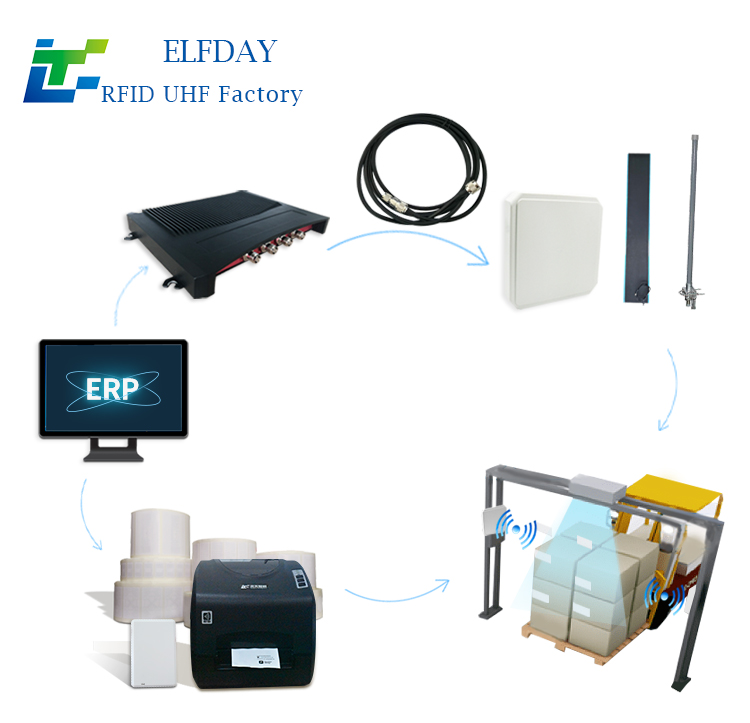
By combining RFID tags with suitable readers and asset management software, warehouses can identify multiple assets quickly without requiring staff to scan each item individually. This can make asset tracking faster, more consistent, and easier to manage as warehouse operations grow.
What Is a High Quality RFID Asset Tag?
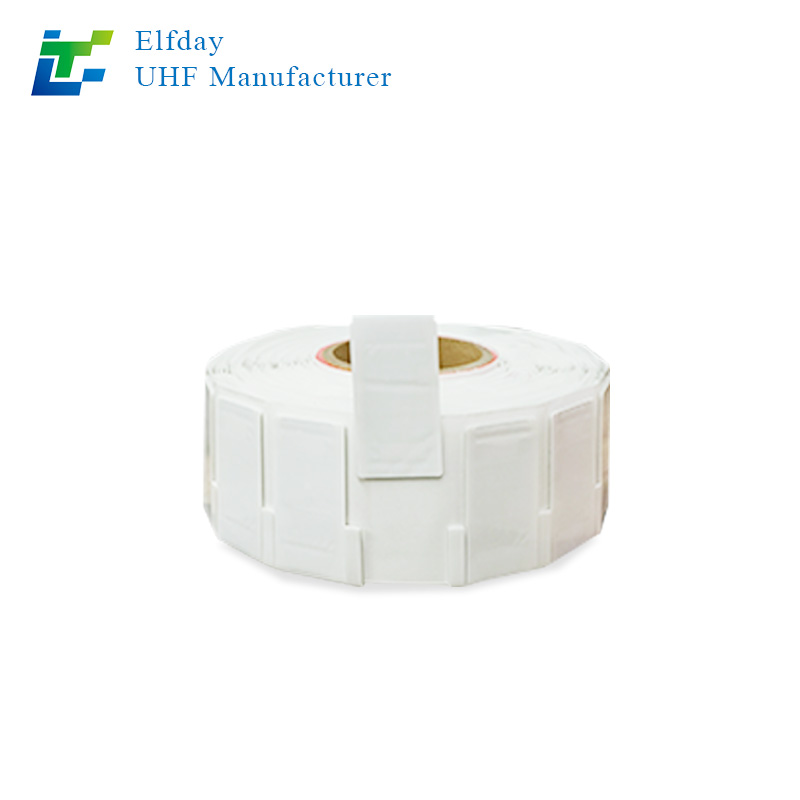
A high quality rfid asset tag is an RFID identification device designed to be attached to physical assets. Each tag contains a unique identification number that can be associated with information in an asset management system.
Depending on the application, RFID asset tags can be attached to pallets, containers, carts, tools, machinery, racks, equipment, and other reusable assets.
Unlike traditional labels that usually require direct visual inspection, RFID tags can be identified using radio-frequency signals. This allows warehouse employees to capture asset information without necessarily having direct line-of-sight to every tagged item.
For warehouses managing large numbers of assets, this capability can make routine identification and tracking much more efficient.
How RFID Asset Tags Improve Warehouse Identification
Traditional warehouse asset tracking often depends on spreadsheets, manual counting, barcodes, or visual checks. These methods can work for smaller operations, but they may become difficult to maintain when the number of assets increases.
A high quality rfid asset tag gives each asset a unique identity. When an RFID reader detects the tag, the system can associate that identification number with the corresponding asset record.
For example, a warehouse may use RFID tags to identify:
- Pallets and shipping platforms
- Reusable plastic containers
- Storage bins and totes
- Carts and racks
- Forklift-related equipment
- Maintenance tools
- Production equipment
- Returnable transport items
- High-value warehouse assets
This approach allows warehouse teams to build a clearer picture of where assets are located and how they move through different areas.
Faster Asset Inventory and Auditing
One of the biggest advantages of RFID asset tracking is the ability to identify multiple tagged items quickly.
With conventional barcode systems, employees generally need to position a scanner toward each individual barcode. RFID technology can reduce this manual process because readers can detect multiple tags within their reading range.
For example, during a warehouse asset audit, employees can use an RFID reader to check a storage area and identify tagged pallets, containers, or equipment. The collected information can then be compared with digital asset records.
This can reduce the time required for routine inventory checks and make asset audits easier to repeat regularly.
Better Visibility of Pallets and Containers
Pallets and reusable containers often move between receiving areas, storage locations, production lines, loading docks, and external facilities. When these assets are tracked manually, it can be difficult to know their current status.
A high quality rfid asset tag can give every pallet or container a unique digital identity. As tagged assets pass through RFID reading points, the system can record their movement and update relevant information.
This can help businesses answer practical questions such as:
- Where is a particular pallet?
- How many reusable containers are currently available?
- Which assets are inside a specific warehouse area?
- Which containers have not been returned?
- How frequently are certain reusable assets being used?
Having this information available can improve operational visibility and support better asset utilization.
Reducing Time Spent Searching for Assets
Misplaced equipment and reusable assets can create unnecessary delays. Employees may need to walk through multiple storage areas or contact different departments to locate a missing item.
RFID-based identification can make this process more efficient.
When an asset has a unique RFID identity, employees can use RFID readers to help determine whether the item is present within a particular area. Combined with an asset management system, historical identification data can also provide useful information about where the asset was last detected.
This does not mean RFID automatically provides precise location information in every application. Actual tracking performance depends on factors such as reader placement, tag design, operating environment, and system configuration.
However, when properly designed, an RFID asset tracking system can significantly improve asset visibility compared with purely manual methods.
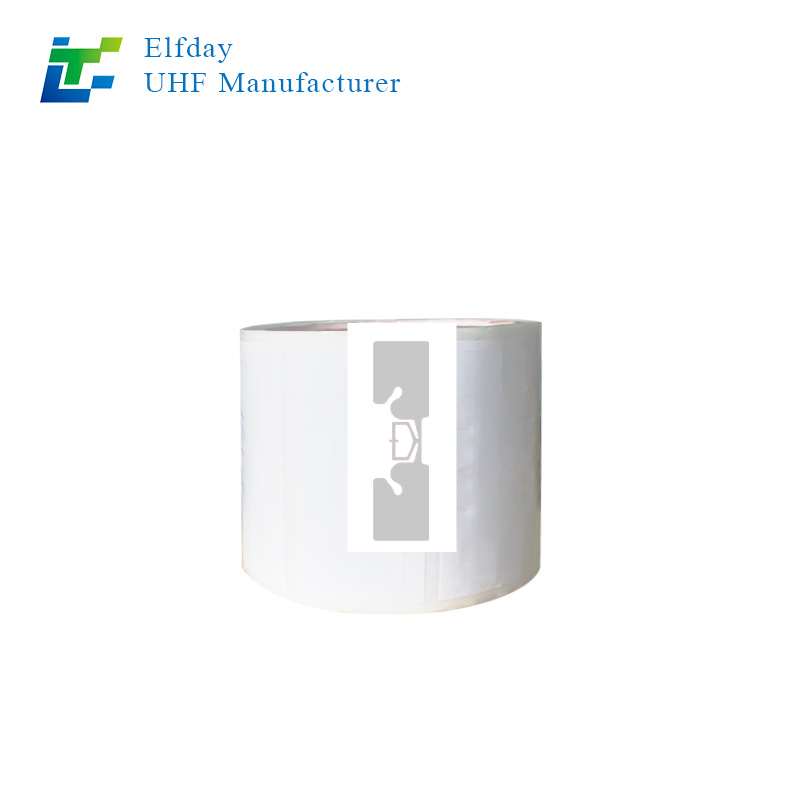
Choosing the Right RFID Asset Tag for Warehouse Applications
Not every RFID asset tag is suitable for every warehouse environment. The right choice depends on the material, size, mounting surface, operating conditions, and expected read distance.
When selecting a high quality rfid asset tag, warehouses should consider several factors.
Tag Material
The tag material should match the environment where the asset is used. Warehouses may require durable materials that can withstand frequent handling, abrasion, dust, moisture, or temperature changes.
Mounting Surface
The material of the asset can affect RFID performance. Metal surfaces, liquids, and certain dense materials may influence radio-frequency performance.
For assets made from metal, specialized RFID tags designed for metal surfaces may provide more reliable identification.
Read Performance
The required reading distance depends on the warehouse layout and application. A tag used for handheld inventory checks may have different requirements from one used at a fixed RFID portal.
Testing the tag in the actual operating environment is therefore an important part of the selection process.
Durability
Reusable pallets, containers, carts, and equipment may experience repeated impacts and handling. A durable RFID asset tag can help maintain reliable identification throughout the asset's working life.
RFID Asset Tags and Warehouse Automation
Warehouse automation is becoming increasingly important as businesses look for faster and more accurate ways to manage inventory and physical assets.
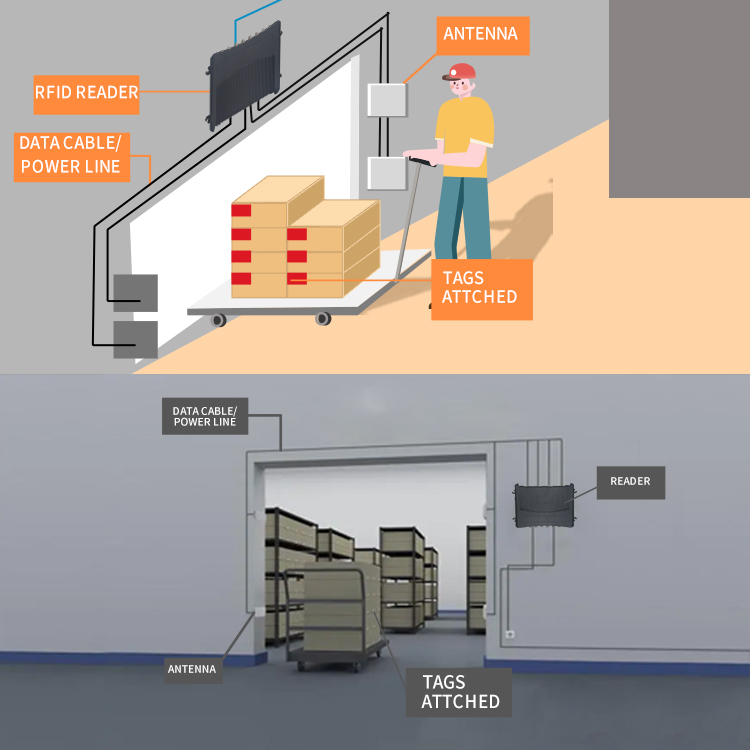
RFID can serve as an identification layer within a broader warehouse automation system. Fixed RFID readers can be installed at receiving docks, storage entrances, production areas, or shipping points to automatically detect tagged assets as they pass through designated locations.
For example, when a pallet carrying an RFID tag enters a receiving area, the system can detect its unique ID and associate the event with the corresponding digital record.
This can reduce repetitive manual data entry and provide a more connected flow of information between physical assets and warehouse software.
RFID vs. Barcode for Asset Identification
Barcodes remain widely used for warehouse identification because they are inexpensive and easy to deploy. However, RFID offers several advantages for specific asset tracking applications.
RFID does not always require direct line-of-sight, and multiple tags can potentially be read during a single scanning event. This can be particularly useful when warehouses need to identify large groups of assets quickly.
On the other hand, RFID systems generally require more planning, including tag selection, reader placement, antenna configuration, and software integration.
For this reason, the best solution depends on the warehouse's specific workflow rather than simply replacing every barcode with RFID.
Practical Applications of High Quality RFID Asset Tags
A high quality rfid asset tag can support a wide range of warehouse applications.
Pallet tracking: Give reusable pallets unique identities and improve visibility as they move through receiving, storage, production, and shipping.
Container tracking: Monitor reusable bins, totes, and containers to improve circulation and reduce losses.
Equipment tracking: Identify warehouse equipment and simplify routine inspections and asset audits.
Tool tracking: Track tools between storage areas, maintenance stations, and workspaces.
Returnable asset management: Improve visibility of reusable assets moving between warehouses, suppliers, and production facilities.
These applications can be implemented individually or combined into a broader RFID asset management strategy.
A high quality rfid asset tag can provide warehouses with a practical way to give physical assets a unique digital identity. From pallets and containers to equipment and reusable transport items, RFID identification can improve visibility and reduce the amount of manual work involved in asset tracking.
When combined with appropriate RFID readers and asset management software, RFID technology can support faster inventory checks, more efficient asset audits, improved pallet and container visibility, and easier identification of misplaced assets.
The key to a successful deployment is choosing tags that match the warehouse environment and testing their performance on the actual assets and surfaces where they will be used. With the right combination of tag design, reader configuration, and software integration, RFID asset identification can become a valuable part of a more efficient and connected warehouse operation.