



RFID Medical Equipment Tracking for Operating Rooms
Operating rooms depend on a wide range of medical equipment to keep procedures running smoothly. Surgical instruments, patient monitors, anesthesia devices, infusion pumps, medical carts, and other mobile assets may move between operating rooms, preparation areas, storage spaces, and other departments throughout the day.
When staff cannot quickly determine where equipment is or whether it is available, preparation can take longer and procedures may face unnecessary delays. RFID medical equipment tracking provides a practical way to improve equipment visibility, helping operating room teams locate assets faster and manage them more efficiently.
Why Equipment Visibility Matters in Operating Rooms
Operating rooms require careful preparation before every procedure. Staff need to confirm that the necessary equipment is available, properly maintained, and ready for use.
However, medical equipment is often shared across multiple rooms and departments. A device may be moved after one procedure and not returned to its expected location. Searching for it manually can take valuable time.
Common challenges include:
- Difficulty locating mobile medical equipment
- Unclear equipment availability
- Time-consuming inventory checks
- Equipment being stored in unexpected locations
- Delays caused by missing or misplaced devices
- Limited visibility across multiple operating rooms
RFID tracking can help address these challenges by providing a more efficient method for identifying and monitoring tagged assets.
How RFID Medical Equipment Tracking Works
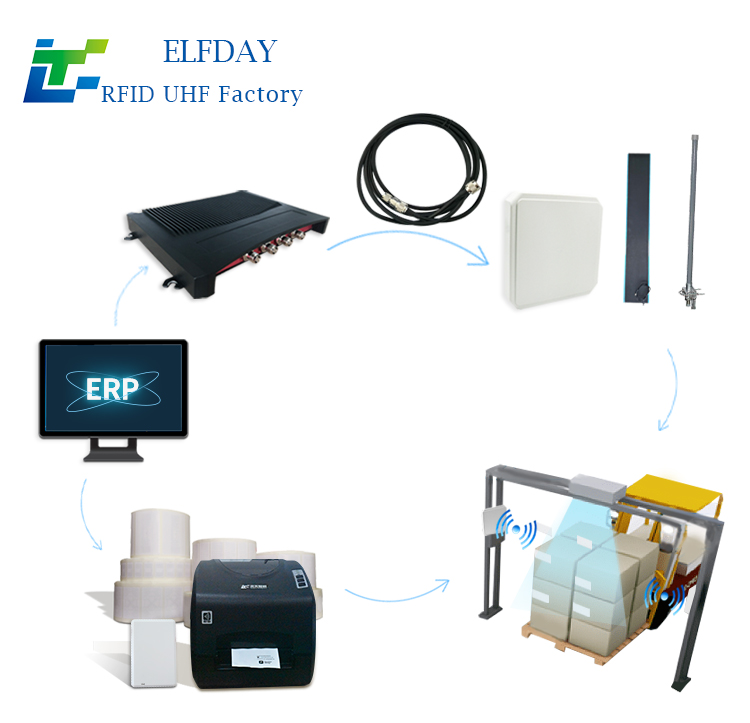
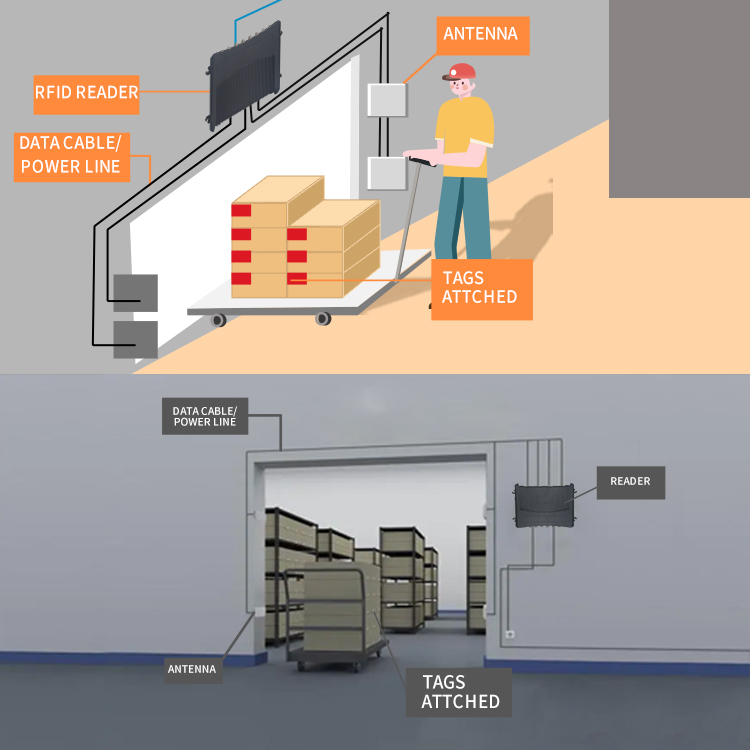
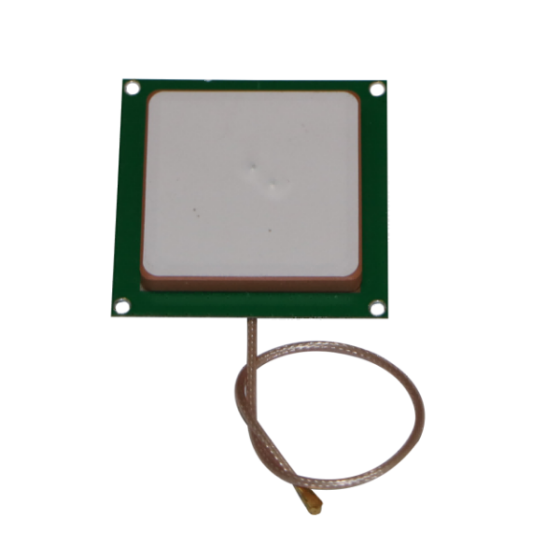
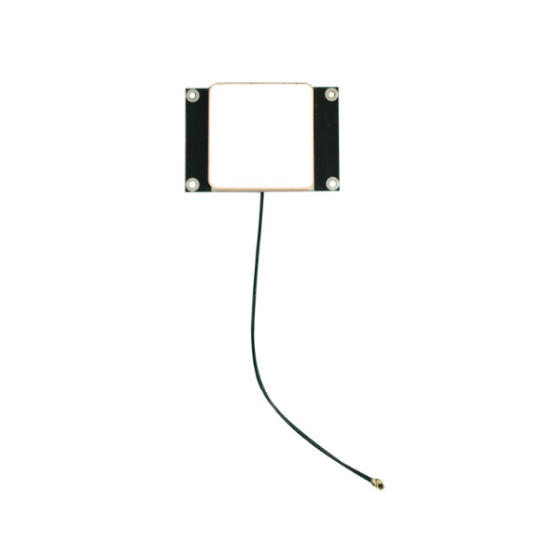
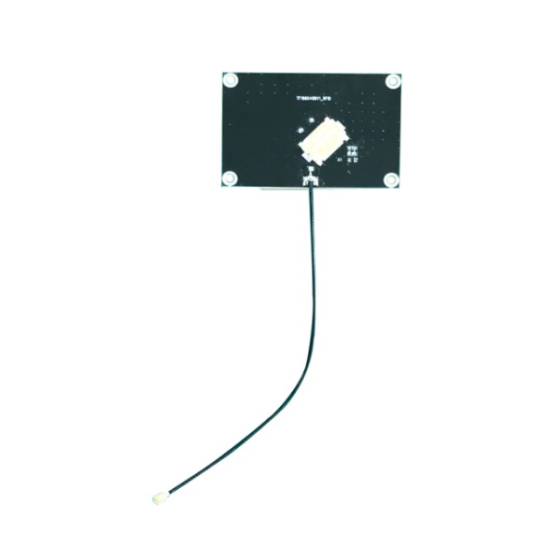
An RFID system uses tags, readers, and tracking software to identify medical equipment.
An RFID tag is attached to an individual piece of equipment and assigned a unique identification number. RFID readers placed at selected locations can detect tagged assets when they enter or leave a monitored area.
The collected information can then be connected with equipment management software, allowing staff to view relevant asset information and improve equipment visibility.
A typical workflow looks like this:
RFID Tag → RFID Reader → Asset Identification → Tracking Software → Equipment Visibility
Unlike manual equipment checks, RFID can automate much of the identification process and reduce the need for staff to record every equipment movement manually.
What Operating Room Equipment Can Be Tracked?
RFID medical equipment tracking can be used for many types of mobile and high-value assets, including:
- Surgical equipment
- Patient monitors
- Anesthesia devices
- Infusion pumps
- Medical carts
- Defibrillators
- Portable diagnostic equipment
- Operating room beds
- Wheelchairs
- Other reusable medical devices
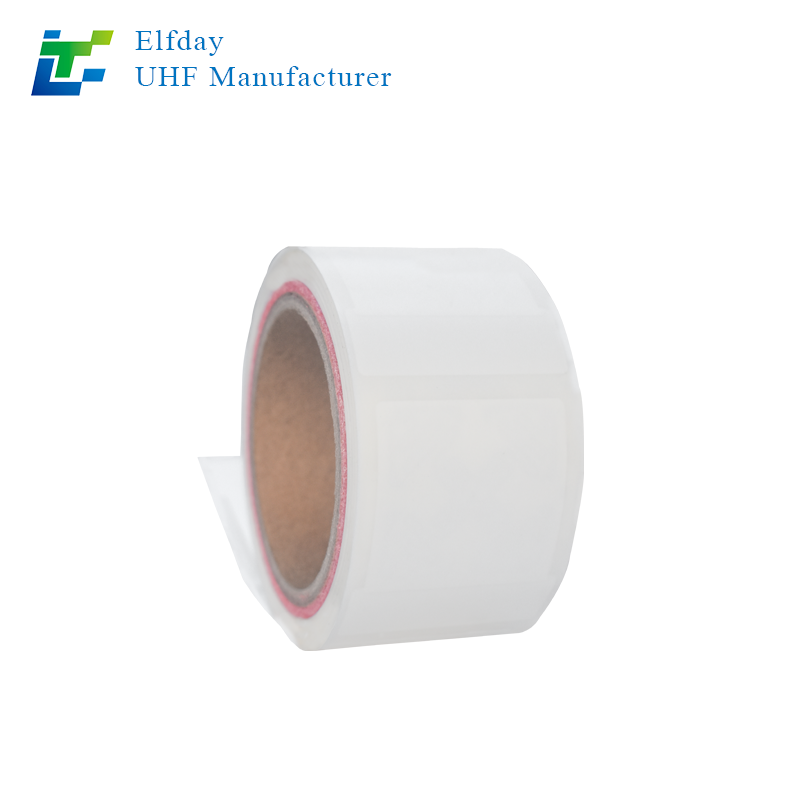
The most suitable RFID tag depends on the equipment material, surface, cleaning requirements, attachment method, and required reading performance.
Key Applications in Operating Rooms
Equipment Location
When equipment is shared between multiple operating rooms, finding a specific device can become difficult. RFID tracking helps staff identify tagged assets and determine their location or last detected area, depending on the system configuration.
This can reduce unnecessary searches and make equipment retrieval more efficient.
Pre-Procedure Preparation
Before a procedure begins, staff may need to gather multiple pieces of equipment. RFID medical equipment tracking can help confirm whether required assets are available and where they are located.
Better visibility can make preparation more organized and reduce delays caused by missing equipment.
Equipment Availability
Knowing that a piece of equipment exists is not enough. Staff also need to know whether it is currently available for use.
RFID tracking can provide visibility into equipment movement between operating rooms, storage areas, preparation spaces, and other monitored locations, helping staff make faster decisions about equipment allocation.
Inventory Management
Operating rooms can contain a large number of reusable medical assets. Conducting manual inventory checks across multiple rooms can be labor-intensive.
RFID technology can simplify asset identification and help healthcare facilities maintain more accurate equipment records.
Equipment Movement
Medical devices may move frequently throughout a hospital. RFID can help track movement between designated areas, giving managers better insight into how equipment is distributed across operating rooms and other departments.
Benefits of RFID Medical Equipment Tracking
Faster Equipment Searches
One of the most practical benefits of RFID is improved equipment visibility. Instead of checking multiple rooms manually, staff can use tracking information to help locate tagged assets more quickly.
Reduced Preparation Delays
Missing equipment can affect operating room preparation. By improving visibility into equipment availability and location, RFID can help staff identify potential equipment issues before a procedure begins.
Better Asset Utilization
Tracking equipment movement can provide useful information about how medical devices are being used. Hospitals can identify equipment that is heavily used, underutilized, or frequently transferred between departments.
Improved Inventory Accuracy
RFID can make equipment identification more efficient during inventory checks. This helps reduce dependence on manual records and provides a clearer view of available assets.
More Efficient Equipment Management
RFID medical equipment tracking can bring equipment location, identification, and asset information into a more connected workflow. This can make daily equipment management easier for operating room teams and hospital administrators.
RFID and Operating Room Workflow
The value of RFID goes beyond simply finding equipment.
Consider a typical operating room workflow. Before a procedure, staff need to prepare the room and confirm that the required devices are available. After the procedure, equipment may be moved for cleaning, maintenance, storage, or use in another room.
Without reliable tracking, each movement can create uncertainty about where an asset is located.
With RFID, tagged equipment can be identified at monitored locations throughout the workflow. This creates greater visibility from preparation through post-procedure equipment handling.
As a result, RFID can support a more organized approach to equipment management without requiring staff to manually document every movement.
Choosing RFID Tags for Operating Room Equipment
Operating rooms can be demanding environments, so RFID tags should be selected based on the equipment and application.
Important considerations include:
Equipment material: Metal surfaces may require RFID tags specifically designed for metal applications.
Cleaning and disinfection: Tags should be able to withstand the cleaning processes used for the equipment.
Attachment method: Adhesive, cable-tie, hard-shell, or other tag formats may be appropriate depending on the asset.
Read range: The required reading distance depends on the room layout and RFID reader configuration.
Durability: Equipment that is frequently moved or handled may require a more durable RFID tag.
Choosing the correct tag is an important part of building a reliable RFID medical equipment tracking system.
Integrating RFID with Asset Management
RFID tracking becomes more useful when it is connected with an asset management platform.
A tagged medical device can be associated with information such as:
- Equipment name
- Asset ID
- Model and serial information
- Assigned department
- Current status
- Maintenance schedule
- Service history
- Location information
This allows hospitals to combine equipment identification with existing asset management processes.
Instead of treating RFID as a standalone tracking technology, healthcare facilities can use it as part of a broader equipment management strategy.
RFID Medical Equipment Tracking for Multiple Operating Rooms
Large hospitals may have multiple operating rooms running simultaneously. Equipment is often shared between rooms depending on procedure requirements and availability.
In this environment, manually tracking equipment becomes increasingly difficult.
RFID medical equipment tracking can provide a more centralized view of tagged assets, helping staff understand where equipment is located across different rooms and departments. This can make it easier to allocate available equipment and reduce unnecessary movement.
For hospitals managing a large inventory of mobile medical assets, improved visibility can also support more informed purchasing and resource planning.
Frequently Asked Questions
What is RFID medical equipment tracking?
RFID medical equipment tracking uses RFID tags and readers to identify and monitor medical assets. In operating rooms, it can help staff track surgical equipment, patient monitors, anesthesia devices, and other mobile assets.
Can RFID track surgical equipment?
Yes. RFID can be used to identify and track many types of reusable surgical and medical equipment. The appropriate tag depends on the equipment material, operating environment, and tracking requirements.
How does RFID help operating rooms?
RFID improves equipment visibility, making it easier for staff to locate assets, check availability, manage inventory, and monitor equipment movement between operating rooms and other areas.
Can RFID reduce equipment search time?
RFID can reduce the need for manual searches by providing information about where tagged equipment is located or where it was last detected, depending on the tracking system design.
What should hospitals consider when selecting RFID tags?
Hospitals should consider the equipment material, tag durability, cleaning and disinfection requirements, attachment method, reading distance, and operating environment before selecting RFID tags.
Operating rooms require reliable access to medical equipment throughout every stage of a procedure. When surgical equipment, patient monitors, anesthesia devices, and other mobile assets are difficult to locate, even simple equipment searches can affect workflow efficiency.
RFID medical equipment tracking provides a practical approach to improving equipment visibility. By identifying and monitoring tagged assets, hospitals can make it easier for staff to locate equipment, check availability, simplify inventory management, and reduce delays caused by misplaced devices.
For operating rooms managing large and frequently changing equipment inventories, RFID can serve as an important tool for building a more organized, visible, and efficient medical asset management process.