



RFID Tags for Inventory Management and Warehouse Tracking
In today’s competitive supply chain environment, accurate inventory management is essential for improving efficiency, reducing operational costs, and meeting customer expectations. Traditional inventory tracking methods often rely on manual counting and barcode scanning, which can be time-consuming and may lead to errors. RFID tags for inventory provide warehouses with a faster and more accurate solution for tracking products, pallets, and assets throughout the supply chain.
By attaching RFID tags to inventory items, businesses can achieve real-time visibility, reduce manual counting errors, and improve stock management efficiency. These advanced tracking solutions are widely used in logistics centers, distribution warehouses, manufacturing facilities, and storage environments to support automated inventory management.
What Are RFID Tags for Inventory?
RFID tags for inventory are electronic identification devices that use radio frequency technology to store and transmit product information. Each RFID tag contains a unique identification number that allows inventory systems to automatically recognize, track, and manage items throughout their lifecycle.
Unlike traditional barcode labels that require direct scanning, RFID tags can be read automatically without needing a direct line of sight. This makes inventory tracking faster and more efficient, especially in large warehouses where thousands of products need to be managed every day.
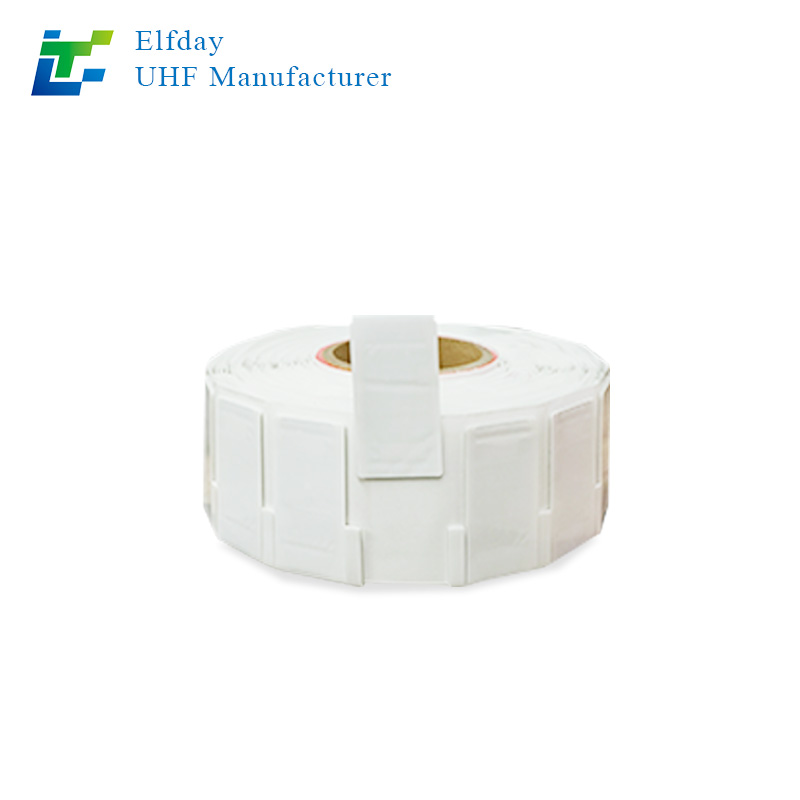
RFID inventory tags are available in different designs, including RFID labels, hard tags, industrial RFID tags, and customized solutions for specific applications. Businesses can select suitable RFID tags based on product materials, operating environments, and tracking requirements.
How RFID Tags Improve Inventory Management
Efficient inventory management depends on accurate information and fast data collection. RFID tags for inventory help businesses improve daily operations by providing better visibility and automation.
Real-time inventory visibility is one of the biggest advantages of RFID technology. Warehouse operators can quickly identify product locations, monitor stock levels, and track inventory movement without manually checking each item. This allows businesses to respond faster to inventory changes and improve supply chain performance.
RFID tags also make inventory counting faster and more accurate. Instead of scanning each barcode individually, RFID readers can capture information from multiple tagged items at the same time. This significantly reduces the time required for stock checks and improves warehouse productivity.
Another important benefit is reducing inventory errors. Manual data entry and counting mistakes can cause inaccurate stock records, shipment delays, and unnecessary costs. RFID inventory tracking automatically collects product data, helping businesses maintain accurate inventory information.
RFID Tags for Warehouse Inventory Tracking
Warehouses handle large volumes of products every day, making inventory accuracy a major challenge. RFID tags for inventory provide an effective solution for tracking goods from receiving to storage and shipping.
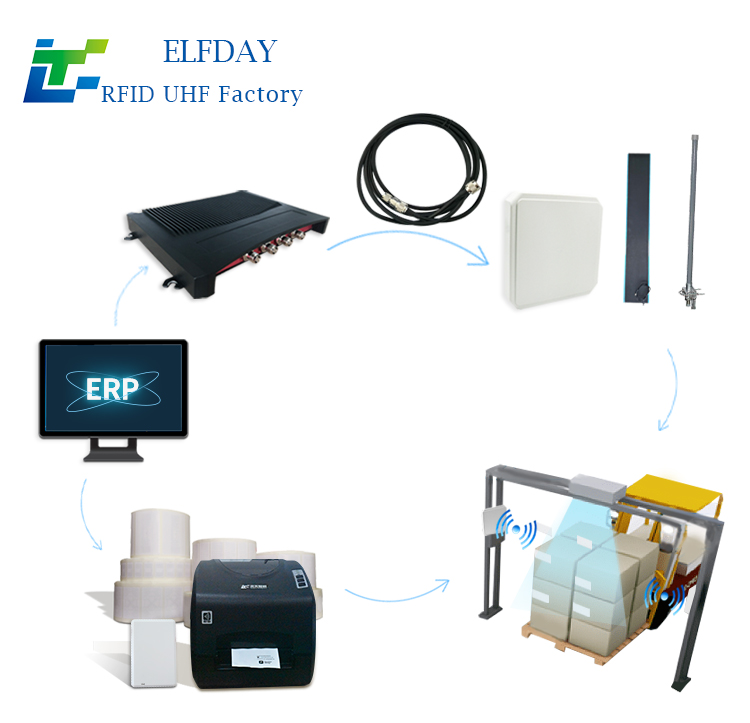
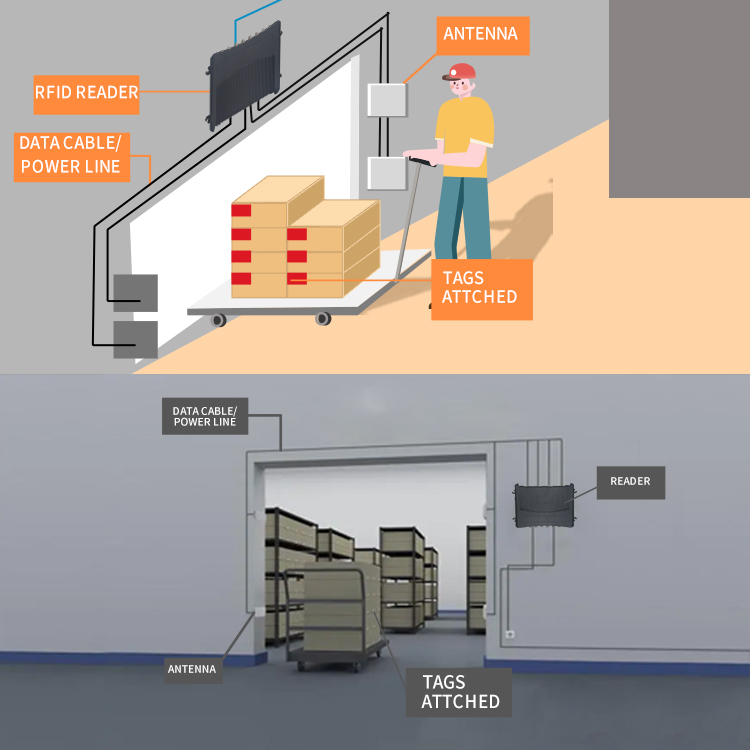
When products, cartons, or pallets are equipped with RFID tags, warehouse systems can automatically record their movement. This improves inventory visibility and helps employees locate items faster.
RFID technology supports various warehouse operations, including receiving goods, inventory checking, order picking, and shipment verification. By improving data accuracy and reducing manual processes, RFID tags help warehouses operate more efficiently.
RFID Tags for Supply Chain Management
Modern supply chains require accurate tracking information from manufacturers to distribution centers and final delivery points. RFID tags for inventory allow businesses to monitor products throughout the entire supply chain process.
With RFID-based tracking, companies can improve shipment accuracy, reduce product loss, and gain better control over inventory movement. This is especially valuable for businesses managing large-scale logistics operations.
RFID inventory solutions also support better planning by providing real-time data about stock availability, product locations, and supply chain performance.
Applications of RFID Tags for Inventory
RFID tags for inventory are widely used across different industries where accurate tracking and efficient management are required.
In logistics centers and distribution warehouses, RFID tags help track pallets, containers, and packaged goods. They improve warehouse visibility and support faster order fulfillment.
In manufacturing facilities, RFID tags are used to monitor raw materials, components, work-in-progress items, and finished products. This helps manufacturers optimize production processes and reduce material shortages.
In retail environments, RFID inventory tags help businesses manage product availability, improve stock accuracy, and reduce out-of-stock situations. Retailers can quickly check inventory levels and improve customer service.
In asset management applications, RFID tags help companies track valuable tools, equipment, and other resources. Businesses can monitor asset locations, improve utilization, and reduce losses.
Types of RFID Tags Used for Inventory Management
Different inventory applications require different types of RFID tags.
UHF RFID tags are commonly used for inventory tracking because they provide long reading distances and fast data collection. They are suitable for warehouses, logistics operations, and large-scale supply chain applications.
Durable RFID tags are designed for demanding environments where tags may be exposed to moisture, heat, chemicals, or physical impact. These tags are ideal for industrial inventory tracking.
Metal-mount RFID tags are specially developed for tracking metal equipment, machinery, and tools. Their design helps maintain reliable performance on challenging surfaces.
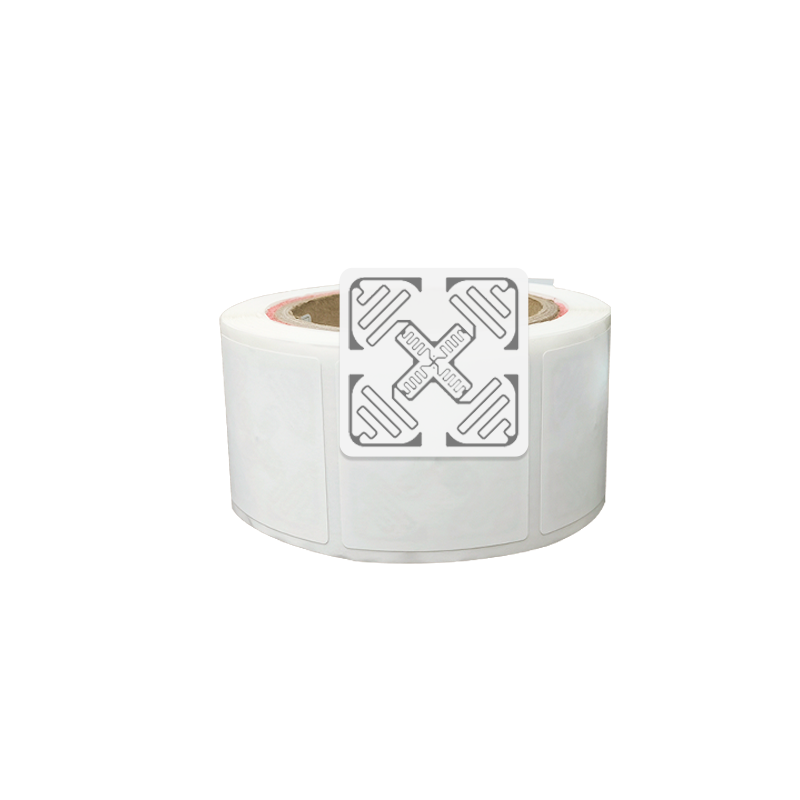
RFID labels are lightweight and cost-effective options for product-level tracking. They are widely used in retail, packaging, and distribution applications.
Benefits of Using RFID Tags for Inventory
Using RFID tags for inventory management provides businesses with improved accuracy, efficiency, and visibility.
RFID technology helps reduce manual labor by automating data collection and inventory tracking processes. Warehouse employees can spend less time performing stock counts and more time focusing on operational improvements.
Better inventory accuracy helps businesses avoid overstocking and shortages. With real-time inventory information, companies can make smarter purchasing and supply chain decisions.
RFID tracking also improves customer satisfaction by helping businesses maintain accurate product availability and complete orders more efficiently.
Choosing the Right RFID Tags for Inventory
Selecting the right RFID tags for inventory depends on several important factors.
The application environment should be considered first. Indoor warehouses, outdoor storage areas, and industrial facilities may require different tag designs.
The reading distance requirement is another key factor. Some applications need short-range identification, while others require long-range tracking across large warehouse spaces.
The material of the tagged item should also be evaluated. Products made from metal or liquid-based materials may require specially designed RFID tags for reliable performance.
Durability requirements are also important. Inventory items exposed to harsh conditions may need waterproof, heat-resistant, or rugged RFID tags.
The Future of RFID Inventory Tracking
As businesses continue to adopt digital supply chain solutions, RFID technology will play an increasingly important role in inventory management. The combination of RFID tags, automated systems, and intelligent data analysis allows companies to build smarter and more efficient operations.
Future inventory management will rely more on real-time tracking, automation, and accurate data to improve supply chain performance. RFID tags for inventory will continue to be a key technology for warehouses, logistics providers, manufacturers, and retailers.
RFID tags for inventory provide businesses with a reliable way to improve inventory accuracy, increase operational efficiency, and achieve real-time tracking across the supply chain. From warehouses and logistics centers to manufacturing and retail applications, RFID technology helps organizations manage products, pallets, and assets more effectively.
As inventory management becomes more automated and data-driven, RFID tracking solutions will remain an essential tool for businesses looking to improve efficiency and build smarter supply chains.