


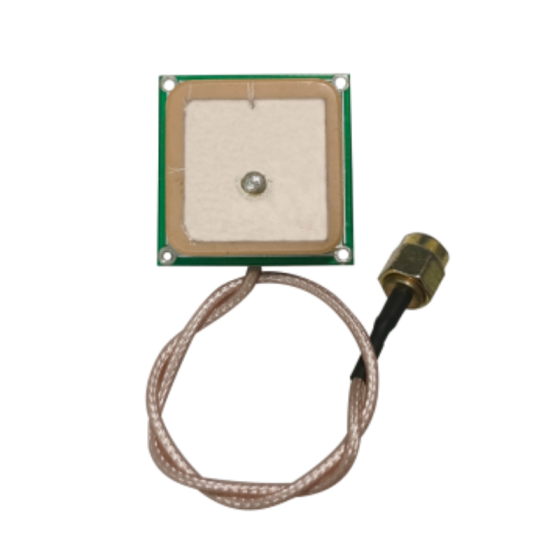
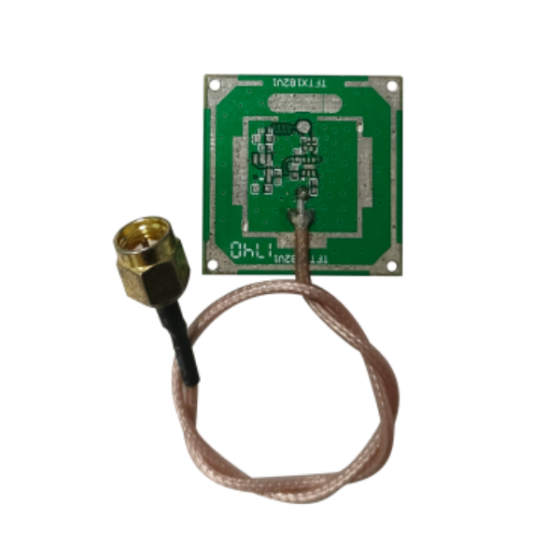
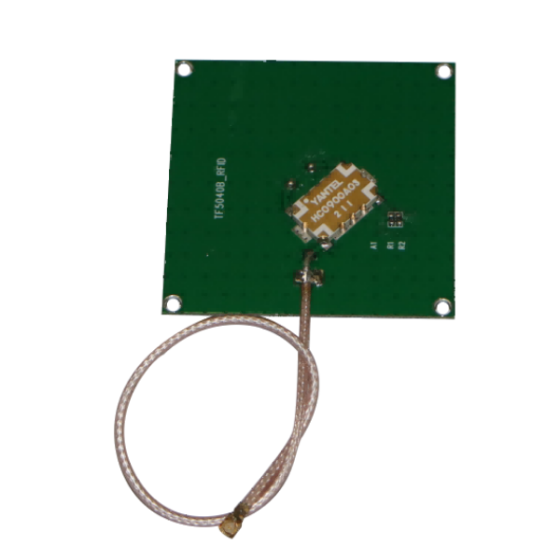
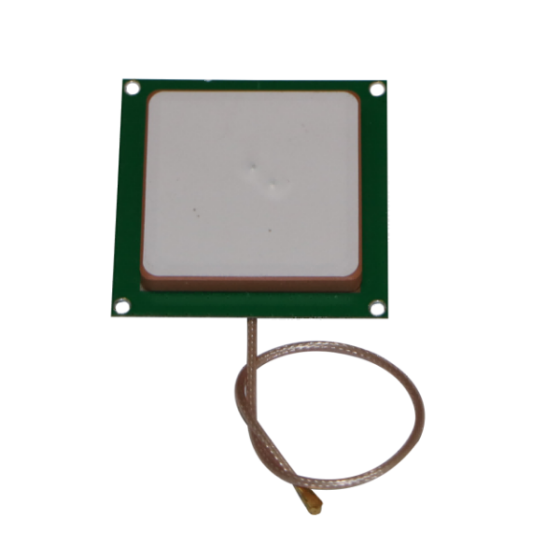
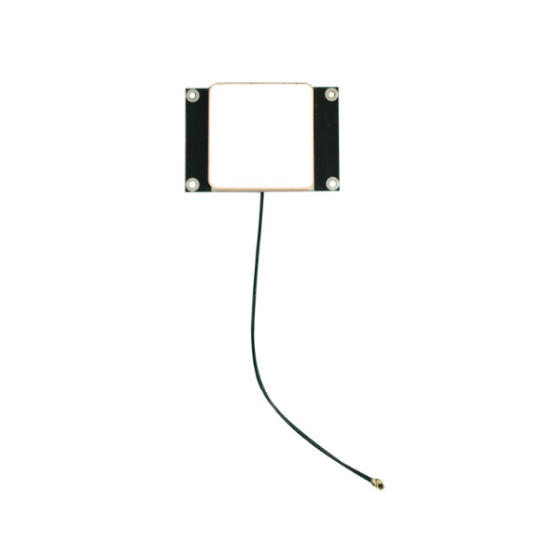
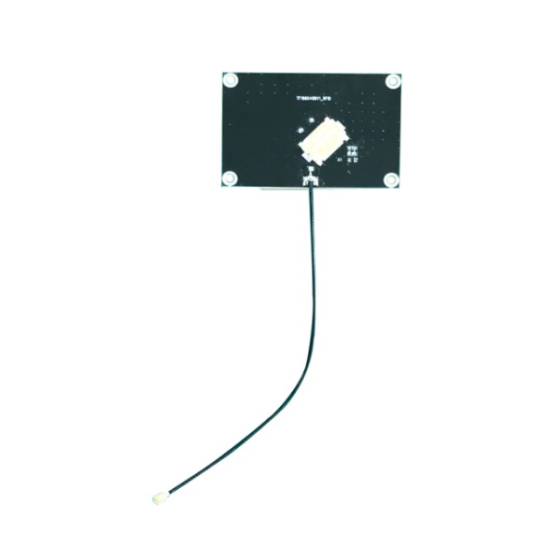


RFID Book Tag for University Library Collection Management and Smart Tracking
University libraries manage some of the most complex collections, including textbooks, academic journals, research materials, reference books, and digital resources. With thousands or even millions of items distributed across different departments and campuses, maintaining accurate inventory records and ensuring efficient resource management has become increasingly challenging.
Traditional barcode systems require librarians to manually scan each item one by one during inventory checks and circulation processes. This approach consumes significant time and makes it difficult to quickly locate missing books or update collection information.
An RFID book tag provides a smarter solution for university library management. By using wireless identification technology, RFID book tags allow library staff to quickly identify, track, and manage academic resources with greater accuracy and efficiency.
With RFID-enabled tracking systems, universities can improve collection visibility, reduce manual workloads, and create a more convenient experience for students, researchers, and library staff.
What Is an RFID Book Tag?
An RFID book tag is a compact electronic identification label designed for tracking books and academic materials through radio frequency technology. Each tag contains a unique identification number that allows RFID readers to recognize and manage items without direct contact.
Unlike traditional barcode labels, RFID book tags do not require precise alignment or individual scanning. Multiple books can be identified at the same time, making them highly suitable for large university libraries with extensive collections.
RFID book tags are commonly used for managing textbooks, research publications, academic journals, reference materials, archive collections, and other educational resources.
By connecting physical books with digital library management systems, RFID technology enables universities to achieve better control over their academic collections and improve daily operations.
How RFID Book Tags Improve University Library Collection Management
Faster Inventory Management for Academic Collections
Managing a large academic collection requires regular inventory checks to ensure books are available and accurately recorded. Traditional barcode scanning methods often require significant staff time because each book must be scanned individually.
RFID book tags simplify this process by allowing librarians to identify multiple books quickly using RFID readers. Staff can scan entire shelves more efficiently and compare inventory data with digital records.
This reduces the time required for collection audits and helps universities maintain more accurate information about their library resources.
Quickly Locate Missing and Misplaced Books
University libraries often contain thousands of books across multiple floors, departments, and campuses. Finding misplaced or missing materials can be difficult without accurate tracking technology.
RFID book tags provide better visibility into book locations and circulation status. Library staff can quickly identify missing items, track borrowing activities, and locate misplaced resources.
This improves collection security and ensures that students and researchers have easier access to the materials they need.
Monitor Resource Usage and Improve Collection Planning
Understanding how academic resources are used helps universities make better decisions about future collection development.
With RFID book tags, libraries can analyze circulation data and identify which textbooks, research materials, and academic resources are in high demand. This information helps library managers optimize purchasing decisions, update collections, and allocate resources more effectively.
By understanding user behavior, universities can provide better support for teaching, learning, and research activities.

Optimize Resource Allocation Across Campuses
Many universities operate multiple libraries across different campuses and departments. Managing book distribution between locations can be challenging without accurate usage data.
RFID book tags help universities monitor where resources are located and how frequently they are used. Library administrators can make informed decisions about transferring materials between campuses and ensuring that resources are available where they are needed most.
This improves resource utilization and creates a more connected academic library network.
RFID Book Tag Applications in University Libraries
Self-Service Checkout and Return
Modern university libraries increasingly use automated services to improve convenience for students and staff. RFID book tags enable self-service borrowing and returning systems by allowing multiple books to be identified simultaneously.
Students can complete transactions faster without waiting for manual assistance, while librarians can spend more time providing research support and academic services.
Smart Shelf Management
Maintaining organized shelves is essential for university libraries. Misplaced books can reduce efficiency and make it difficult for students to find important materials.
RFID book tags support smart shelf management by helping librarians identify incorrect placements and improve shelf organization. This allows users to locate books more quickly and improves the overall library experience.
Research Material Protection
Universities often manage valuable research collections, including rare publications, academic documents, and specialized materials.
RFID book tags provide reliable identification and tracking capabilities that help protect important resources. Libraries can maintain accurate records of valuable materials and improve management efficiency.
Advantages of RFID Book Tags for University Libraries
RFID book tags provide significant advantages compared with traditional barcode systems. They enable faster identification, reduce manual work, and improve inventory accuracy.
With RFID technology, universities can achieve more efficient library operations through automated tracking, better collection visibility, and improved resource management.
RFID book tags also support future smart library development by integrating physical resources with digital management platforms.
How to Choose the Right RFID Book Tag for University Applications
When selecting an RFID book tag for university libraries, several factors should be considered.
The durability of the tag is important because books are frequently handled, borrowed, and returned. A reliable RFID tag should maintain stable performance throughout the book’s service life.
Reading performance is another key factor. RFID book tags should provide accurate identification during inventory checks, circulation management, and daily library operations.
Compatibility with existing library systems is also essential. RFID tags should work smoothly with RFID readers, self-service equipment, and library management software.
The tag size and design should match different types of academic materials, including textbooks, journals, research documents, and reference books.
The Future of RFID Book Tags in University Library Management
As universities continue adopting digital technologies, RFID book tags will play an increasingly important role in smart library development.
Future academic libraries will rely on RFID technology to improve inventory visibility, automate daily processes, analyze resource usage, and provide better services for students and researchers.
By combining RFID book tags with intelligent library systems, universities can create more efficient and connected learning environments where academic resources are easier to manage and access.
An RFID book tag provides universities with an effective solution for managing large academic collections, improving book tracking, and optimizing resource allocation. Through automated identification and accurate tracking, RFID technology helps library staff reduce manual tasks while improving operational efficiency.
From textbooks and research materials to campus-wide academic resources, RFID book tags support smarter university library management and enhance access to valuable information. As higher education continues moving toward digital transformation, RFID technology will remain an important tool for building modern and intelligent academic libraries.