



RFID Tags for Grocery Shopping Help Supermarkets Automate Inventory Tracking
Modern supermarkets manage thousands of products every day, from fresh produce and dairy items to packaged foods and household goods. With frequent deliveries, changing customer demand, and strict inventory requirements, traditional manual counting methods are becoming less efficient and more difficult to maintain.
To improve accuracy and operational efficiency, many retailers are adopting advanced identification technologies. Among these solutions, RFID tags for grocery shopping are helping supermarkets automate inventory tracking, improve product visibility, and create more efficient store operations.
Unlike traditional barcode systems that require individual scanning, RFID technology allows multiple products to be identified automatically at the same time. This enables supermarkets to track products throughout the entire retail process, from warehouse receiving and shelf placement to checkout and inventory management.
How RFID Tags for Grocery Shopping Automate Inventory Tracking
In a busy supermarket environment, thousands of products move through different areas every day. Products arrive at receiving docks, enter storage rooms, move to shelves, and eventually reach customers at checkout.
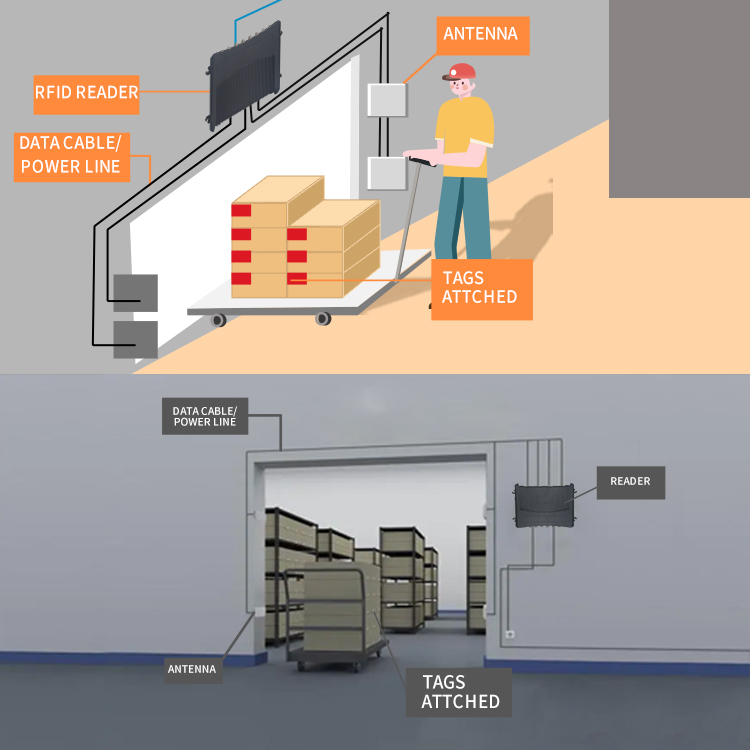
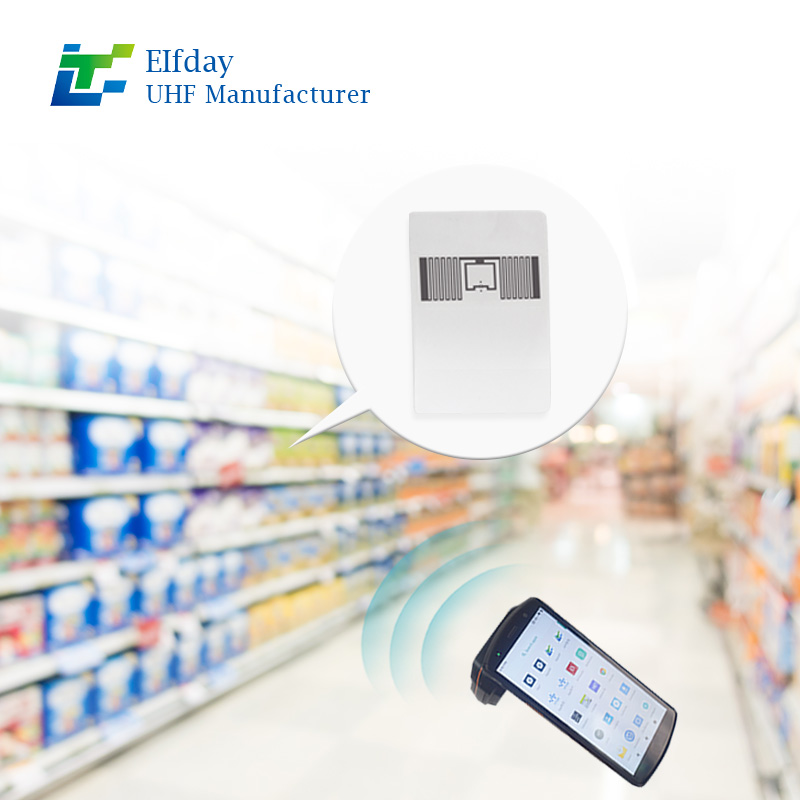
RFID tags for grocery shopping provide a simple and efficient way to monitor these movements. Each RFID tag contains product information that can be collected by RFID readers without direct contact or manual scanning.
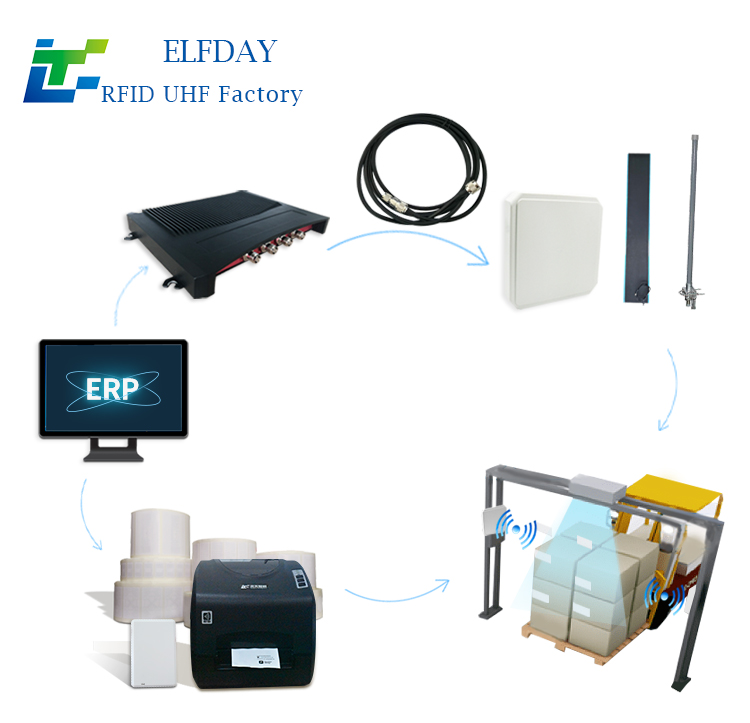
When products enter a warehouse or store, RFID systems can automatically record incoming inventory. As items move through different locations, the system updates their status in real time, allowing employees to know exactly where products are located and how many units are available.
This automated process helps supermarkets reduce manual workload, improve inventory accuracy, and make faster decisions based on real-time data.
Improving Real-Time Inventory Visibility in Supermarkets
Inventory accuracy is essential for grocery retailers. Customers expect products to be available when they visit a store, while retailers need to avoid excessive stock that may lead to waste or increased storage costs.
With RFID tags for grocery shopping, supermarket managers can access real-time information about product availability. Instead of manually checking shelves or counting inventory, employees can quickly identify stock levels through an automated RFID system.
For example, when a popular item begins running low, the system can automatically detect the shortage and send an alert to store staff. Employees can then replenish shelves before customers encounter empty spaces.
This improved visibility helps supermarkets maintain better product availability and provide a more reliable shopping experience.
Reducing Manual Inventory Checks and Improving Efficiency
Traditional inventory management often requires employees to scan products one by one or perform time-consuming manual counts. These processes can lead to human errors and require significant labor resources.
RFID technology simplifies inventory management by allowing multiple tagged products to be detected simultaneously. Employees can quickly check large quantities of products without opening packages or scanning each item individually.
For grocery stores, this means faster inventory audits, reduced labor costs, and improved operational efficiency. Staff can spend less time on repetitive counting tasks and focus more on customer service and store management.
Enhancing Product Location Management
Large supermarkets often contain thousands of products across different departments and storage areas. Finding specific items quickly can be challenging, especially in large warehouses or backroom storage spaces.
RFID tags for grocery shopping help improve product location tracking by providing accurate information about where items are stored. Employees can quickly locate products, check availability, and move inventory more efficiently.
This is particularly useful for:
Fresh food storage areas
Warehouse inventory management
High-demand products
Seasonal promotions
Large-scale retail operations
By improving product visibility, RFID technology helps supermarkets create smoother daily operations.
Supporting Better Shelf Replenishment
Empty shelves can negatively affect customer satisfaction and sales performance. However, traditional shelf monitoring methods may not detect inventory problems until employees manually check products.
RFID-enabled inventory systems allow supermarkets to monitor product movement and identify when stock levels reach a certain point. Automatic notifications help employees restock shelves at the right time.
This proactive approach prevents product shortages, improves shelf availability, and ensures customers can easily find the products they need.
Improving Fresh Food Management with RFID Technology
Fresh products such as fruits, vegetables, meat, seafood, and dairy items require careful inventory management because they have limited shelf life.
RFID tags for grocery shopping can help retailers track fresh food products more effectively by providing better visibility into product movement and inventory status.
By understanding product quantities and sales patterns, supermarkets can improve stock rotation, reduce expired goods, and minimize food waste.
Better tracking also supports improved traceability, allowing retailers to understand product history and manage food safety more effectively.
Enhancing the Customer Shopping Experience
RFID technology does more than improve behind-the-scenes operations. It also creates a better experience for shoppers.
When supermarkets maintain accurate inventory information, customers are more likely to find the products they want. Faster stock replenishment reduces empty shelves, while automated checkout technologies can help shorten waiting times.
Future smart supermarkets may combine RFID technology with mobile applications, smart shopping carts, and digital services to provide a more convenient and personalized shopping journey.
Applications of RFID Tags for Grocery Shopping
RFID tags can be used across different areas of grocery retail, including:
Warehouse and Receiving Management
RFID systems help retailers automatically record incoming products, improve receiving accuracy, and reduce errors during inventory processing.
Shelf Inventory Monitoring
Retail employees can quickly identify product availability and receive alerts when shelves need replenishment.
Supply Chain Tracking
RFID technology provides better visibility as products move from suppliers to distribution centers and retail stores.
Checkout Automation
RFID-enabled checkout systems can recognize multiple products quickly, improving transaction speed and customer convenience.
Key Benefits of RFID Tags for Grocery Shopping
The adoption of RFID technology provides supermarkets with several important advantages.
Improved inventory accuracy allows retailers to maintain reliable stock information and reduce inventory errors.
Faster product identification helps employees locate items and complete inventory tasks more efficiently.
Automated stock alerts allow supermarkets to respond quickly to product shortages and improve shelf availability.
Better product tracking supports food safety, traceability, and waste reduction.
Enhanced operational efficiency helps retailers create smarter and more cost-effective store management systems.
The Future of RFID Technology in Grocery Retail
As grocery retailers continue to invest in digital transformation, RFID technology will become an increasingly important part of smart supermarket operations.
Combined with artificial intelligence, cloud-based inventory platforms, and data analytics, RFID tags for grocery shopping can provide deeper insights into customer demand, inventory performance, and supply chain efficiency.
Future supermarkets may achieve fully connected inventory systems where products are automatically tracked from delivery to purchase. This will help retailers reduce waste, improve efficiency, and deliver a more convenient shopping experience.
The growing demand for accurate inventory management and smarter retail operations is driving supermarkets to adopt RFID solutions. RFID tags for grocery shopping provide an effective way to automate inventory tracking, improve product visibility, reduce manual work, and enhance customer satisfaction.
By enabling real-time monitoring and intelligent inventory management, RFID technology is helping grocery retailers build more efficient, responsive, and future-ready supermarket environments.