

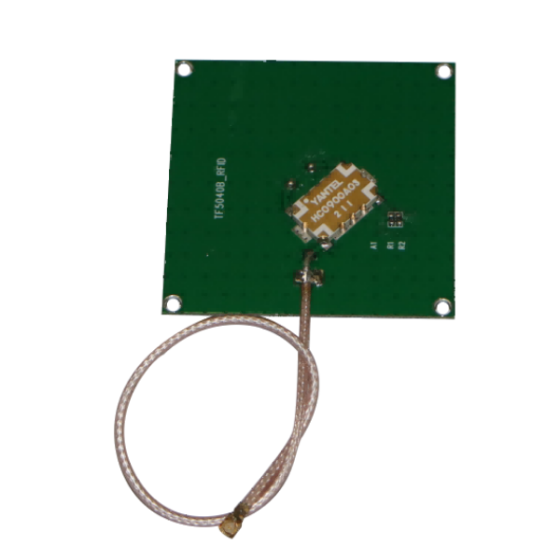
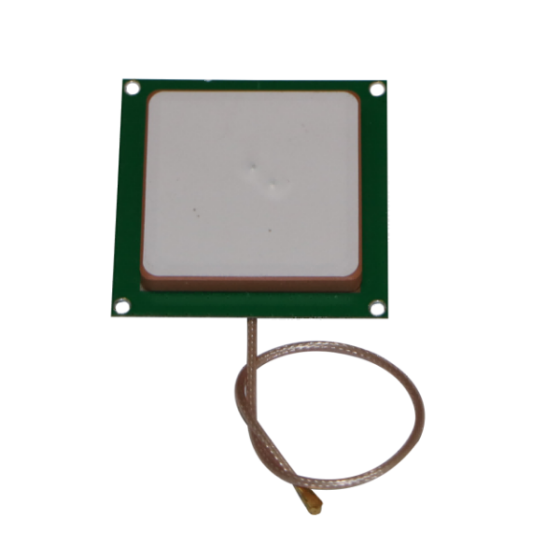


High Temperature RFID Tracking Tags for Steel and Metal Processing
Steel and metal processing industries operate in some of the most challenging manufacturing environments. Extreme temperatures, heavy machinery, metal surfaces, dust, vibration, and continuous production cycles make asset identification and tracking a critical challenge.
Traditional tracking methods such as barcode labels, printed markings, and standard RFID tags often fail when exposed to high heat and harsh industrial conditions. When identification information is lost or damaged, manufacturers may experience production delays, inventory inaccuracies, and difficulties maintaining complete process records.
High temperature RFID tracking tags provide a reliable solution for steel mills and metal processing facilities by enabling accurate tracking of steel coils, molds, containers, production tools, and other important assets during high-temperature operations.
Designed for demanding industrial environments, these durable RFID tags help manufacturers improve traceability, automate data collection, and optimize production efficiency.
Why Steel and Metal Processing Industries Need High Temperature RFID Tracking Tags
Steel production involves multiple stages, including melting, casting, rolling, heat treatment, storage, and transportation. During these processes, materials and equipment are often exposed to extreme temperatures and mechanical stress.
For example, steel coils may pass through high-temperature processing lines, while molds and containers may repeatedly experience intense heat during manufacturing operations. Standard identification solutions usually cannot withstand these conditions for long periods.
Common challenges faced by steel and metal manufacturers include:
High temperatures damaging traditional identification labels
Difficulty tracking metal components throughout production
Manual recording errors and inefficient data collection
Limited visibility of material movement
Challenges in maintaining complete production history
By implementing high temperature RFID tracking tags, manufacturers can build a more reliable tracking system that continues to perform in extreme industrial environments.
Improving Steel Production Traceability with RFID Technology
Traceability is becoming increasingly important in modern steel manufacturing. Companies need accurate information about material location, production progress, processing history, and quality inspection results.
High temperature RFID solutions allow manufacturers to automatically collect data at different production stages without relying on manual recording or visual inspection.
Common applications include steel coil identification, metal sheet production management, mold tracking, furnace process monitoring, industrial container management, and production tool tracking.
With RFID-based traceability systems, manufacturers can improve production transparency, reduce human errors, and quickly access important information during quality inspections or process analysis.
Applications of High Temperature RFID Tracking Tags in Steel Mills
Steel Coil Tracking During Manufacturing
Steel coils often move through multiple production stages, including rolling, coating, cutting, storage, and transportation. Maintaining accurate identification throughout the entire process is essential for efficient inventory management.
High temperature RFID tracking tags enable automatic identification of steel coils even in environments with elevated temperatures and heavy industrial activity.
Manufacturers can use RFID data to monitor production status, processing history, storage location, transportation information, and quality inspection records.
This reduces manual tracking efforts and improves material management accuracy.
Mold and Casting Process Tracking
In steel foundries and metal casting facilities, molds and casting tools are exposed to repeated heating cycles and mechanical stress. Traditional labels and identification methods may quickly fail under these conditions.
High temperature RFID tracking tags provide a durable identification solution for casting molds, metal containers, ladles, production fixtures, and reusable industrial equipment.
By tracking these assets automatically, manufacturers can improve maintenance planning, reduce equipment downtime, and increase operational efficiency.
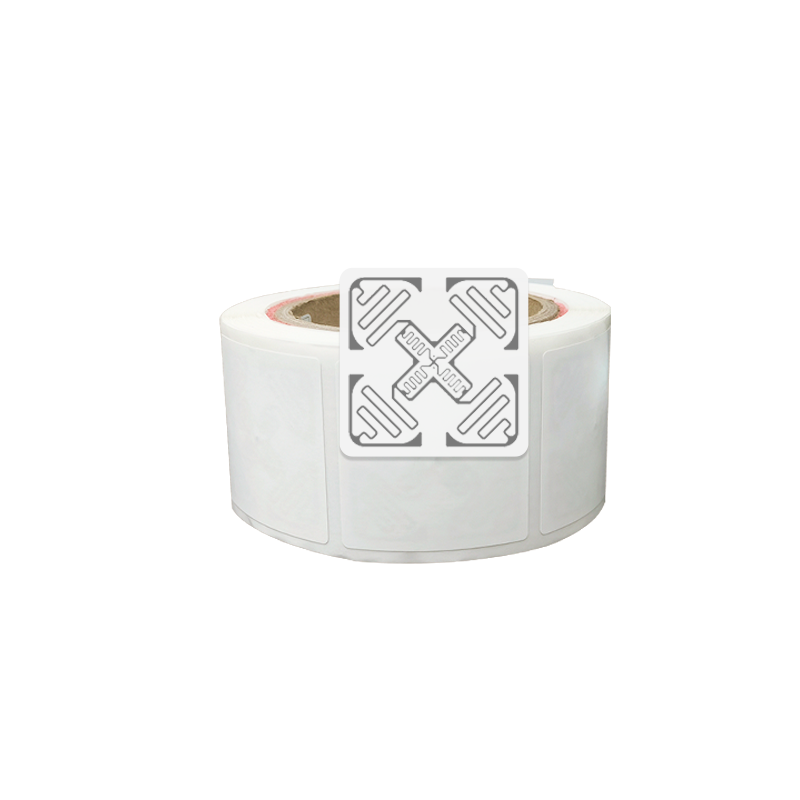
Furnace and Heat Treatment Process Management
Heat treatment is an essential process in metal manufacturing because it improves product strength and performance. However, extreme temperatures make tracking difficult with conventional identification technologies.
Heat-resistant RFID tags allow manufacturers to maintain accurate component identification before, during, and after thermal processing.
This helps companies monitor production steps, verify process completion, improve quality control, reduce manual inspections, and maintain complete manufacturing records.
Industrial Tool and Equipment Tracking
Steel plants depend on thousands of industrial tools, containers, and production assets every day. Losing track of these items can result in production delays and unnecessary replacement costs.
Using high temperature RFID tracking tags on industrial equipment enables companies to quickly identify asset locations and review usage history.
This improves equipment utilization, reduces asset loss, supports maintenance scheduling, and increases overall production efficiency.
Key Benefits of High Temperature RFID Tracking Tags
Reliable Performance in Extreme Heat
The primary advantage of high-temperature RFID technology is its ability to operate in environments where standard identification methods cannot survive.
These RFID tags are designed for challenging industrial conditions, including high temperatures, repeated thermal cycles, vibration, dust, and mechanical impact.
Their durability makes them suitable for steel mills, foundries, metal processing plants, and other heavy industrial applications.
Automated Data Collection and Real-Time Visibility
Manual tracking methods require additional labor and may lead to inaccurate records.
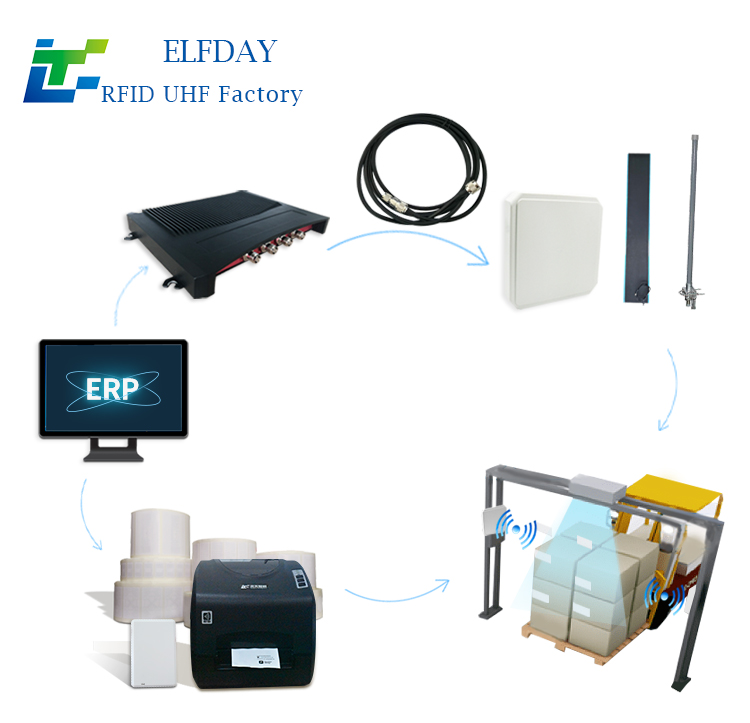
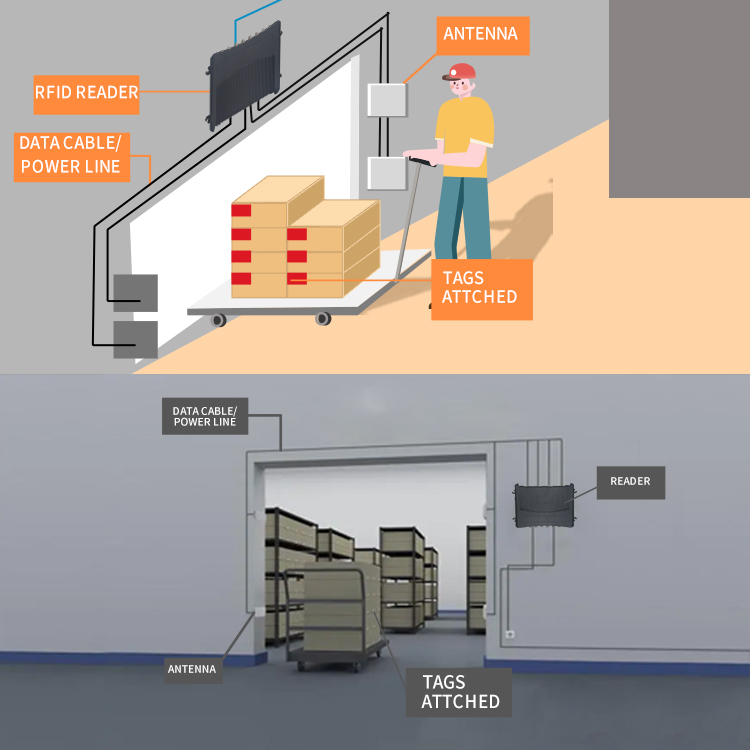
RFID technology enables automatic identification when tagged materials or equipment pass through RFID reading areas. This provides better visibility throughout the production process.
Manufacturers can monitor material movement, production progress, inventory status, and equipment utilization in real time.
Accurate production data helps companies make faster decisions and improve operational efficiency.
Improved Inventory Management
Steel and metal manufacturers often manage large volumes of raw materials, semi-finished products, and finished goods.
Accurate RFID tracking helps companies maintain better inventory control by providing reliable information about material quantity, storage location, production status, and shipment preparation.
This reduces the risk of misplaced materials and improves warehouse management efficiency.
Enhanced Quality Control and Compliance
Many industrial manufacturers require detailed production records to support quality management and compliance requirements.
By using high temperature RFID tracking tags, companies can create complete digital records of materials and manufacturing processes.
This supports faster quality inspections, easier problem identification, improved production documentation, and better customer confidence.
How to Choose the Right High Temperature RFID Tracking Tags for Steel Processing
Selecting the right RFID solution depends on the operating environment and specific tracking requirements.
Temperature resistance is one of the most important factors. The RFID tag should be suitable for the maximum temperature level and exposure duration involved in processes such as heat treatment, casting, and furnace operations.
Durability is also essential because steel production environments often involve vibration, impact, dust, moisture, and chemical exposure. A strong RFID tag design ensures stable performance over long-term industrial use.
RFID performance on metal surfaces should also be considered. Since steel and other metals can affect radio frequency signals, industrial RFID tags designed for metal applications provide better readability and more reliable data transmission.
In addition, manufacturers should evaluate read range requirements and ensure compatibility with existing RFID readers, automation equipment, manufacturing execution systems, and industrial software platforms.
The Future of RFID Tracking in Steel Manufacturing
As steel and metal industries continue moving toward smart manufacturing and Industry 4.0, digital traceability is becoming a key factor in improving productivity and competitiveness.
RFID technology connects physical materials, equipment, and production processes with digital information systems. By providing accurate and automated identification, high temperature RFID tracking tags help manufacturers create smarter, more efficient, and more transparent production workflows.
From steel coil tracking and furnace operations to mold management and industrial asset monitoring, high-temperature RFID solutions are becoming an important technology for modern steel and metal processing industries.
For manufacturers looking to reduce manual work, improve production visibility, and strengthen traceability, high temperature RFID tracking tags provide a reliable solution for even the most demanding industrial environments.