



High Temperature RFID Tracking Tags for Automotive Production Lines
Automotive manufacturing is one of the most demanding industries when it comes to component tracking and process management. Modern production lines involve extreme temperatures, heavy machinery, automated systems, and complex workflows where accurate identification is critical.
Traditional barcode labels and standard RFID tags often struggle in environments involving welding, painting, heat treatment, and high-temperature processing. This is where high temperature RFID tracking tags provide a reliable solution, allowing automotive manufacturers to track components throughout the entire production cycle while improving efficiency, traceability, and quality control.
Why Automotive Production Lines Need High Temperature RFID Tracking Tags
Automotive factories handle thousands of components every day, including engine parts, chassis assemblies, transmission components, and metal structures. These parts often move through multiple manufacturing stages where temperature, vibration, dust, and mechanical stress can affect tracking accuracy.
During processes such as welding and heat treatment, components may be exposed to temperatures that exceed the operating limits of conventional identification methods. Lost tracking information, manual inspections, and production delays can increase operational costs and reduce manufacturing efficiency.
High temperature RFID tracking tags are designed specifically for these challenging environments. They provide long-lasting identification performance even when attached to metal surfaces or exposed to repeated thermal cycles.
Improving Component Traceability in Automotive Manufacturing
Traceability has become a key requirement in the automotive industry. Manufacturers need to know where each component comes from, which processes it has completed, and whether it meets quality standards.
By integrating high temperature RFID tracking tags into automotive production systems, manufacturers can automatically collect real-time data throughout the manufacturing process.
Typical tracking applications include:
Engine component tracking
Chassis and body part identification
Welding process monitoring
Heat treatment process management
Painting line tracking
Assembly line traceability
Returnable container and tooling management
This automated approach reduces reliance on manual recording and helps create a more transparent production workflow.
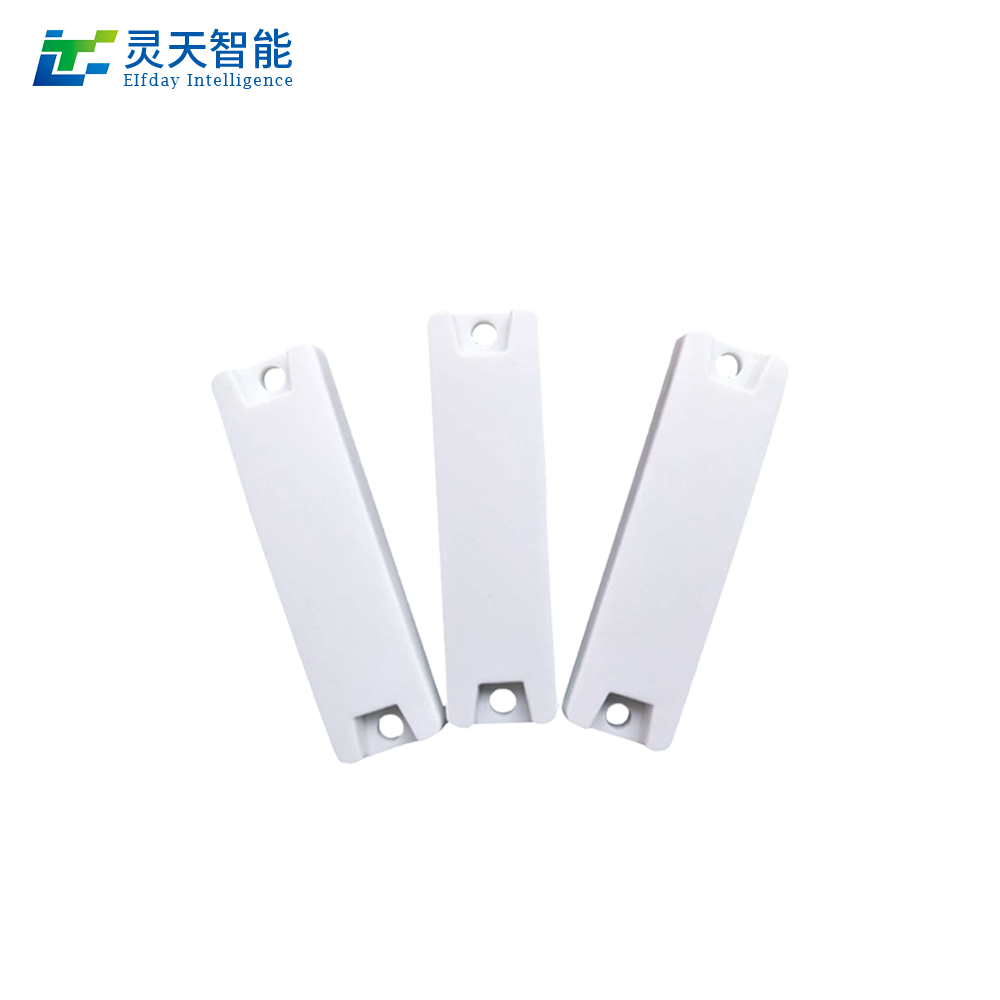
Applications of High Temperature RFID Tracking Tags on Automotive Production Lines
Welding Process Tracking
Welding areas are among the most challenging environments in automotive manufacturing. High temperatures, sparks, and metal surfaces can damage conventional labels.
High temperature RFID tracking tags provide durable identification for components moving through welding stations, allowing manufacturers to maintain accurate production records without interrupting workflow.
Heat Treatment and Metal Processing
Many automotive parts require heat treatment to improve strength and durability. During these processes, components experience extreme temperatures that standard RFID solutions cannot withstand.
Heat-resistant RFID tags allow manufacturers to continue tracking parts before, during, and after thermal processing, ensuring complete production history and quality traceability.
Paint Shop Identification
Automotive painting processes involve high-temperature curing ovens and strict quality requirements. RFID tracking solutions help identify vehicle bodies and components throughout painting operations, improving process control and reducing tracking errors.
Assembly Line Management
In modern smart factories, every component must arrive at the correct workstation at the right time. High temperature RFID tracking tags support automated identification and help manufacturers optimize assembly processes, reduce downtime, and improve production accuracy.
Key Benefits of High Temperature RFID Tracking Tags
Reliable Performance in Extreme Conditions
Built for industrial environments, these RFID tags are engineered to withstand high temperatures, mechanical impact, and demanding production conditions. Their durability makes them suitable for long-term use in automotive manufacturing facilities.
Automated Data Collection
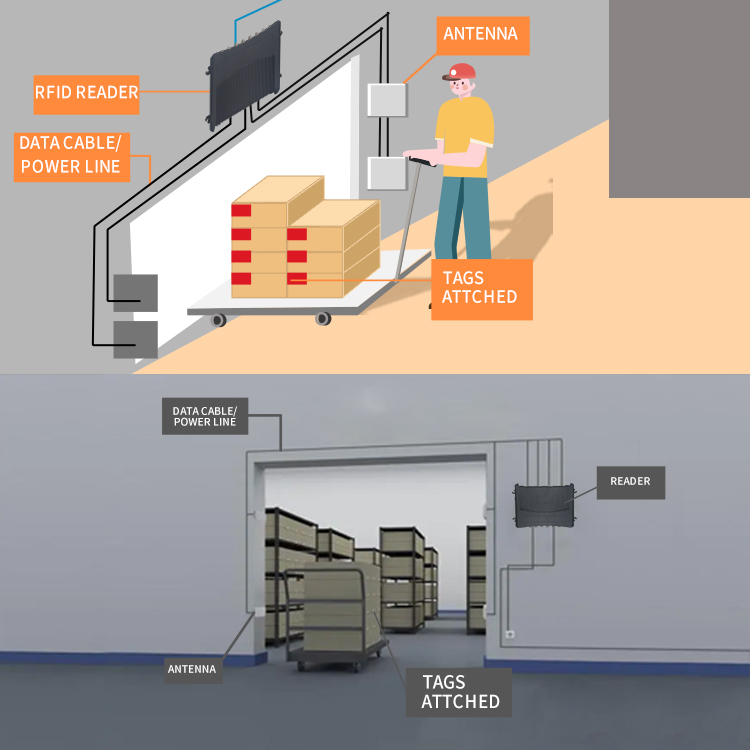
Unlike manual tracking methods, RFID technology enables automatic data capture without direct scanning. Workers can quickly identify components as they move through different production stages, improving operational efficiency.
Better Quality Control
Complete production records help manufacturers identify process issues, track component history, and improve quality management. RFID-based traceability supports faster problem identification and reduces the risk of production errors.
Reduced Manual Labor
Automated tracking minimizes the need for handwritten records and manual inspections. This helps manufacturers save time, reduce labor costs, and improve overall production reliability.
Choosing the Right High Temperature RFID Tracking Tags for Automotive Applications
When selecting RFID tags for automotive production lines, manufacturers should consider several important factors:
Temperature Resistance
The RFID tag should be able to withstand the maximum temperature levels involved in welding, heat treatment, curing, or other manufacturing processes.
Durability
Automotive environments can involve vibration, impact, chemicals, and metal surfaces. A durable RFID tag design ensures stable performance throughout repeated production cycles.
Reading Performance on Metal Surfaces
Many automotive components are made from metal, which can interfere with RFID signals. Specialized RFID tags designed for industrial applications provide better readability and reliable data transmission.
Integration with Existing Systems
The RFID solution should work smoothly with manufacturing execution systems (MES), warehouse systems, and factory automation platforms to maximize efficiency.
The Future of RFID Tracking in Automotive Manufacturing
As automotive production continues moving toward smart manufacturing and Industry 4.0, real-time data visibility is becoming increasingly important. RFID technology provides manufacturers with the ability to connect physical components with digital production information.
High temperature RFID tracking tags will continue playing an important role in automotive factories by enabling smarter workflows, improving traceability, and supporting automated production management.
For manufacturers looking to improve production efficiency and build more intelligent manufacturing systems, high-temperature RFID tracking solutions offer a practical and reliable approach for demanding industrial environments.