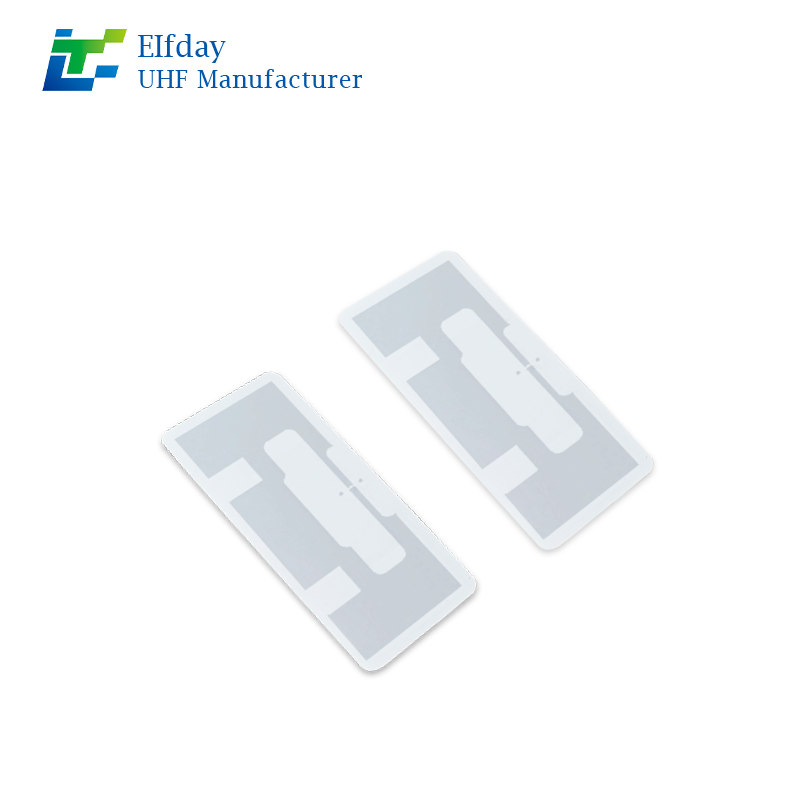




RFID Labels Industrial Solutions for Warehouse and Factory Asset Management
What Are RFID Labels Industrial?
In today’s fast-moving industrial environments, accurate asset management is essential for improving productivity, reducing downtime, and maintaining operational efficiency. RFID labels industrial provide an advanced identification solution that helps factories, warehouses, and industrial facilities track valuable assets automatically.
Unlike traditional labels and barcode systems, RFID labels use radio frequency technology to collect data without requiring direct scanning. This allows businesses to identify multiple assets quickly, improve inventory accuracy, and maintain better visibility of tools, equipment, materials, and products.
From manufacturing floors to large-scale warehouses, RFID labels industrial help organizations create smarter and more efficient asset management processes.
The Importance of Industrial Asset Tracking
Factories and warehouses often manage thousands of assets moving through different stages of production, storage, and transportation. Without an effective tracking system, businesses may face challenges such as:
Lost or misplaced equipment
Inaccurate inventory records
Time-consuming manual inspections
Delayed maintenance processes
Increased operational costs
By implementing RFID labels industrial, companies can automate asset identification and gain real-time information about their resources. This improves decision-making and allows teams to manage assets more effectively.
Benefits of RFID Labels Industrial for Asset Management
Faster Identification and Data Collection
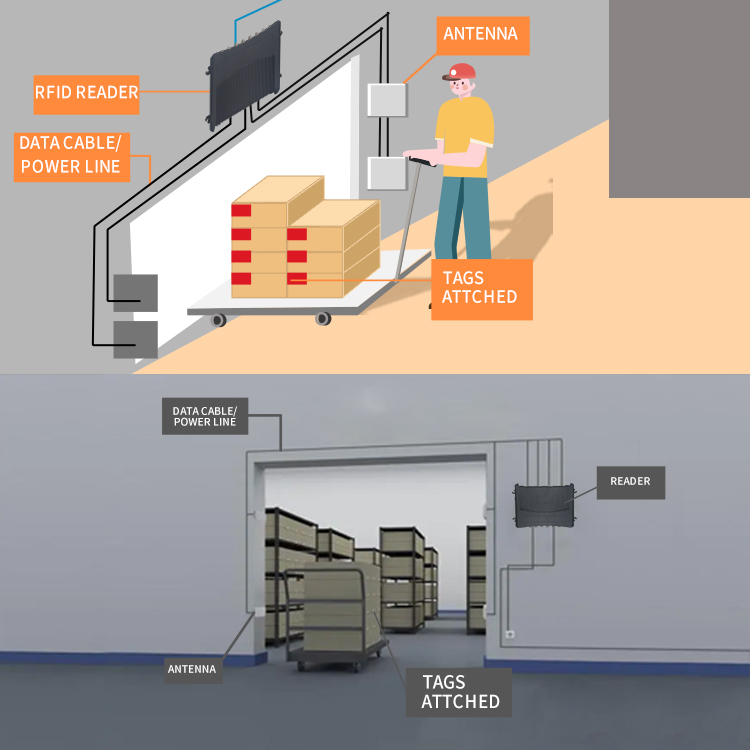
One of the biggest advantages of industrial RFID labels is their ability to collect information quickly. Workers can scan multiple tagged items simultaneously, reducing the time required for inventory checks and asset verification.
This is especially valuable in large warehouses and factories where thousands of items need to be monitored regularly.
Improved Inventory Accuracy
Manual inventory processes are often affected by human errors. Missing items, incorrect counts, and outdated records can create unnecessary costs.
RFID labels industrial provide automated data collection, helping businesses maintain accurate inventory information and improve stock management.
Enhanced Asset Visibility
Industrial RFID labels allow companies to track assets throughout their lifecycle. Businesses can monitor equipment locations, usage status, and movement history to improve resource allocation.
Better visibility helps reduce asset loss and ensures that important tools and equipment are available when needed.
Reduced Labor Costs
Traditional asset tracking requires employees to manually check, record, and update information. RFID technology simplifies these processes by automating identification tasks.
This enables employees to focus on higher-value activities while improving overall operational efficiency.
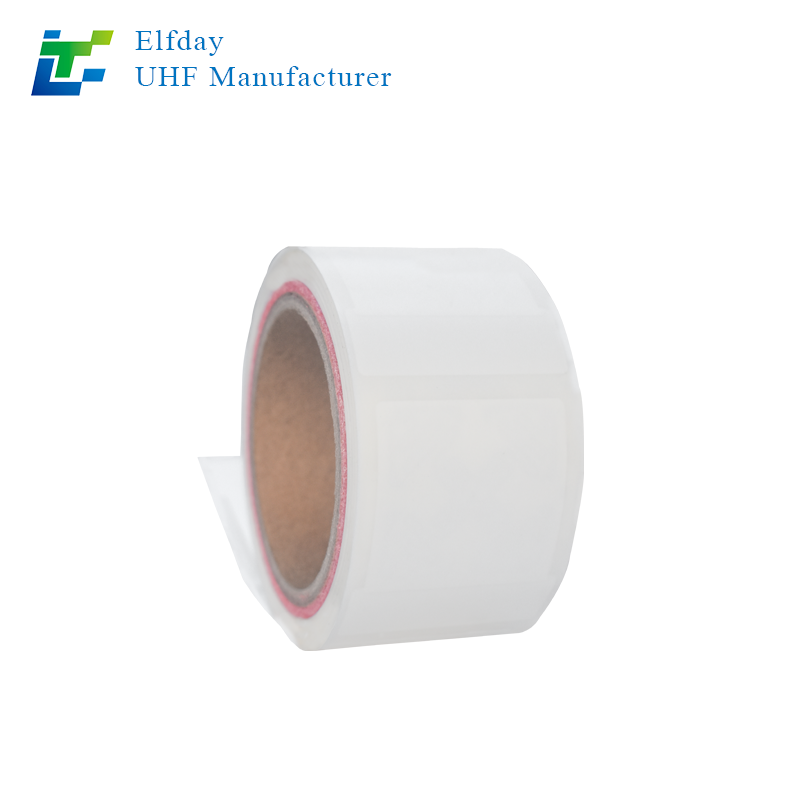
Applications of RFID Labels Industrial in Warehouses and Factories
Factory Equipment and Tool Tracking
Manufacturing facilities rely on various tools, machines, and components to maintain production efficiency. Keeping track of these assets is critical for preventing delays and improving maintenance schedules.
RFID labels industrial can be applied to:
Production equipment
Hand tools
Spare parts
Machinery components
Maintenance assets
With automated tracking, manufacturers can quickly locate equipment and maintain accurate usage records.
Warehouse Inventory Control
Warehouses handle large volumes of goods, containers, and materials every day. Efficient inventory management is necessary to keep operations running smoothly.
Industrial RFID labels help warehouses manage:
Pallets
Storage bins
Raw materials
Finished products
Returnable containers
By improving inventory visibility, RFID technology helps reduce search time and optimize storage operations.
Supply Chain and Logistics Management
Industrial assets often move between suppliers, factories, warehouses, and customers. Tracking these movements manually can be difficult and inefficient.
RFID labels industrial provide continuous visibility throughout the supply chain, helping businesses monitor asset transfers, improve logistics planning, and reduce losses.
Maintenance and Equipment Management
Regular maintenance is essential for industrial equipment performance. RFID labels allow maintenance teams to access equipment information quickly and keep better records of service history.
This supports preventive maintenance strategies and helps extend equipment lifespan.
Key Features of High-Quality Industrial RFID Labels
Choosing the right RFID label depends on the operating environment and tracking requirements. Important features include:
Durable Construction
Industrial environments can expose labels to dust, moisture, vibration, chemicals, and temperature changes. Durable RFID labels are designed to provide stable performance under challenging conditions.
Strong Adhesion
Industrial assets may experience frequent movement and handling. Reliable adhesive ensures RFID labels remain attached securely to different surfaces.
Flexible Application Options
Different industries require different label solutions. RFID labels can be designed for various surfaces, including metal equipment, plastic containers, wooden pallets, and other industrial materials.
Long-Term Reliability
Industrial assets often remain in service for many years. High-quality RFID labels provide consistent readability and reliable identification throughout the asset lifecycle.
RFID Labels Industrial vs Barcode Tracking Systems
Many businesses still use barcode systems for inventory management, but they may not meet the requirements of modern industrial operations.
| Feature | RFID Labels Industrial | Barcode Systems |
|---|---|---|
| Reading Method | Radio frequency identification | Optical scanning |
| Multiple Item Detection | Supported | Usually requires individual scanning |
| Direct Visibility Required | No | Yes |
| Data Collection Speed | Faster | Slower |
| Automation Capability | High | Limited |
For factories and warehouses managing large numbers of assets, RFID technology provides a more efficient approach to tracking and identification.
How RFID Labels Support Smart Factories and Warehouses
As industries continue moving toward automation and digital transformation, accurate data has become increasingly important.
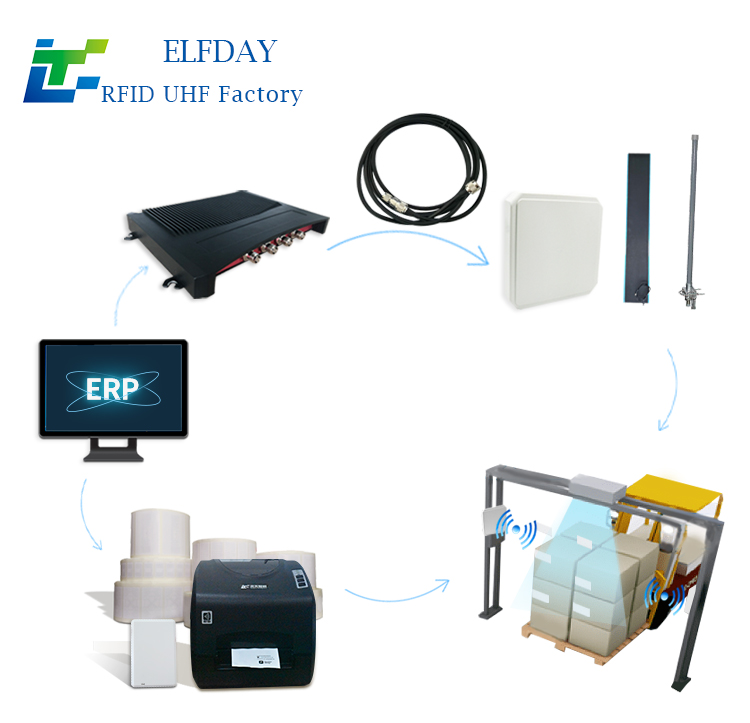
RFID labels industrial help connect physical assets with digital management systems, enabling businesses to:
Automate inventory updates
Improve operational visibility
Optimize workflow processes
Reduce manual errors
Support data-driven decisions
By creating a smarter connection between assets and information systems, RFID technology helps businesses improve efficiency and competitiveness.
How to Choose the Right RFID Labels Industrial Solution
Selecting suitable industrial RFID labels depends on several factors:
Asset Type
Different assets require different label designs. Equipment, pallets, containers, and tools may need different sizes, materials, or performance characteristics.
Working Environment
Consider whether the labels will be used indoors, outdoors, or in harsh industrial conditions involving heat, moisture, chemicals, or abrasion.
Reading Requirements
The required reading distance and RFID system compatibility should be considered to ensure reliable performance.
Service Life
For long-term asset tracking, choose RFID labels that can maintain durability and readability throughout the expected application period.
RFID labels industrial provide an efficient and reliable solution for warehouse and factory asset management. By enabling automated tracking, improving inventory accuracy, and increasing asset visibility, they help businesses reduce operational challenges and improve productivity.
As manufacturing, logistics, and warehouse operations continue becoming more automated, RFID labels industrial will remain an important technology for smarter asset tracking and modern industrial management.