

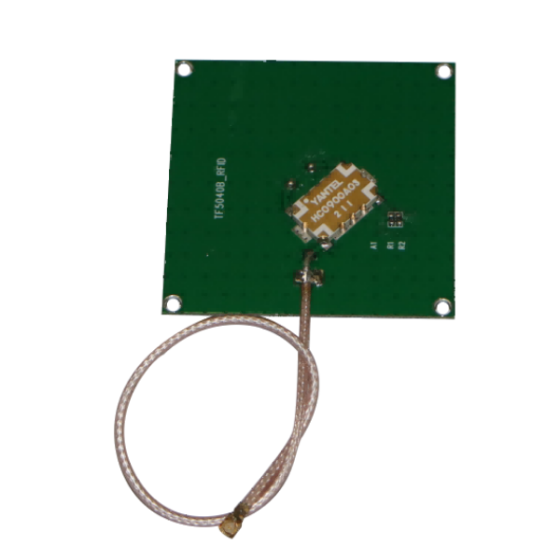
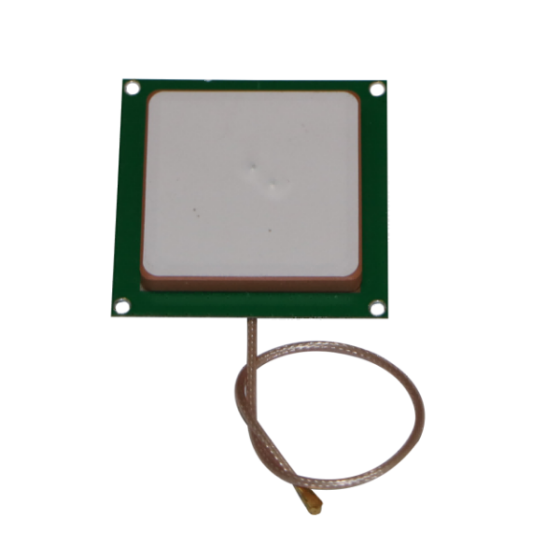
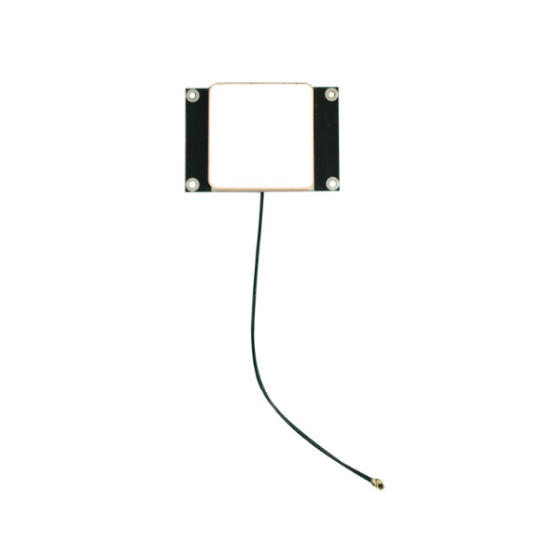
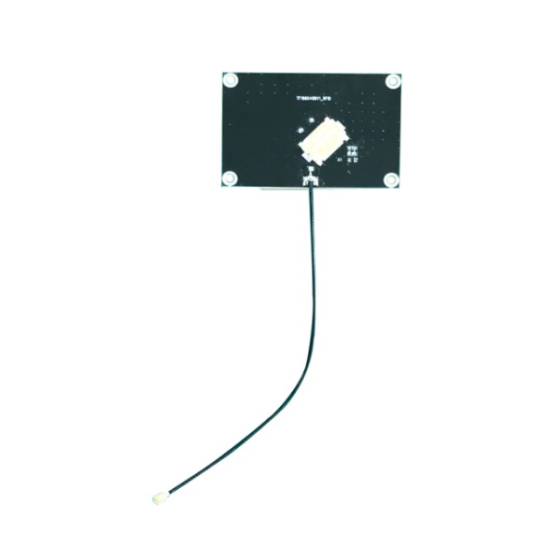


High Quality RFID Asset Tags for Reliable Industrial Asset Tracking and Management
In modern industrial environments, keeping track of valuable equipment, tools, and machinery is becoming increasingly complex. Traditional tracking methods such as spreadsheets, manual inspections, and barcode scanning often lead to inaccurate records, time-consuming audits, and difficulties in locating assets.
A high quality RFID asset tag provides a smarter way to improve asset visibility and operational efficiency. By enabling automated identification and real-time tracking, RFID technology helps organizations manage industrial assets more accurately while reducing administrative workload.
From manufacturing facilities and warehouses to construction sites and logistics operations, durable RFID asset tags are helping businesses move toward more reliable and automated asset management systems.
What Is a High Quality RFID Asset Tag?
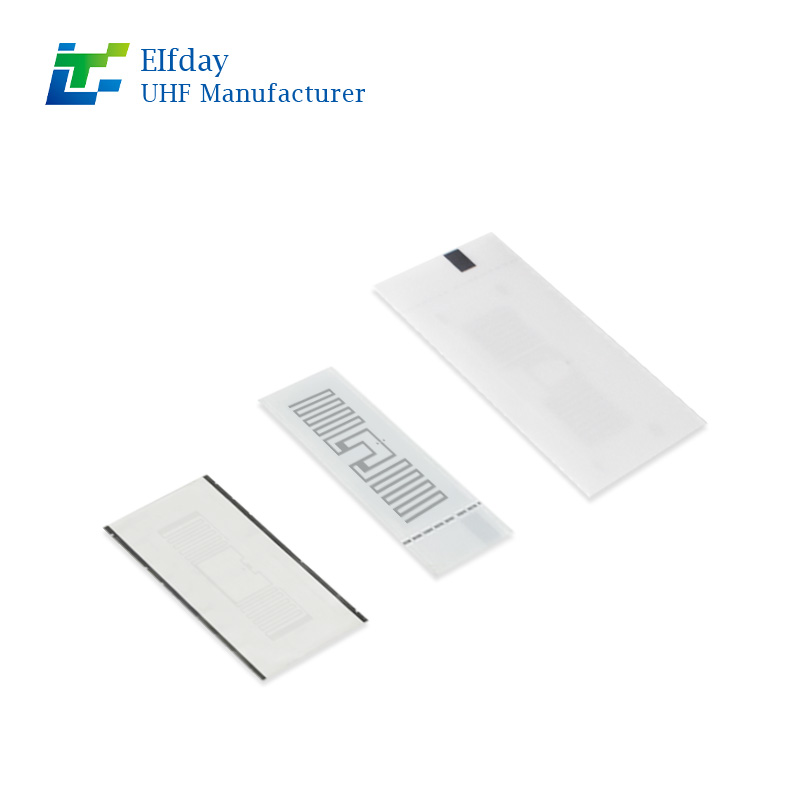
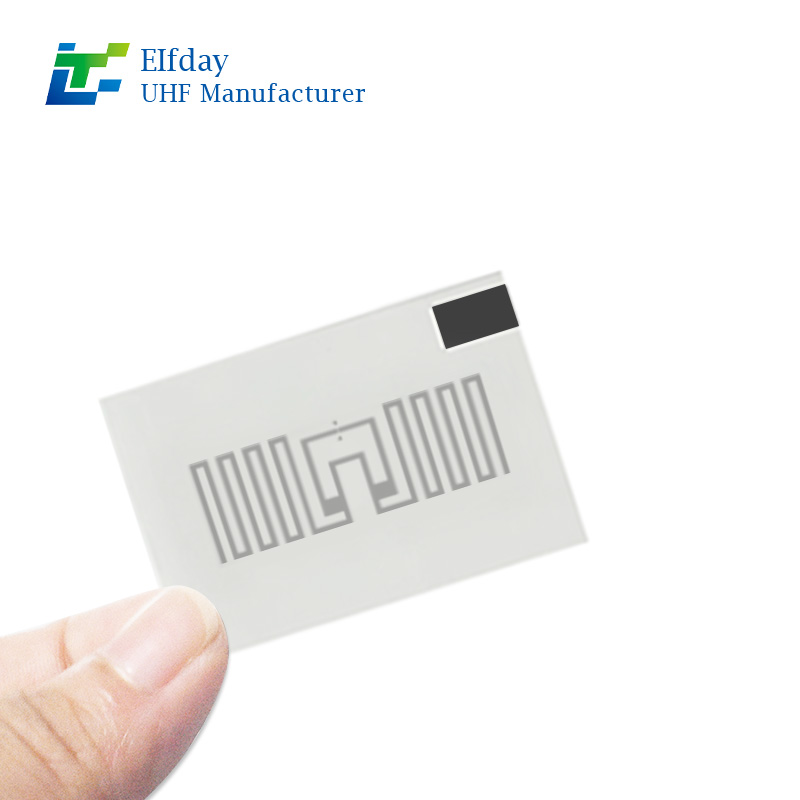
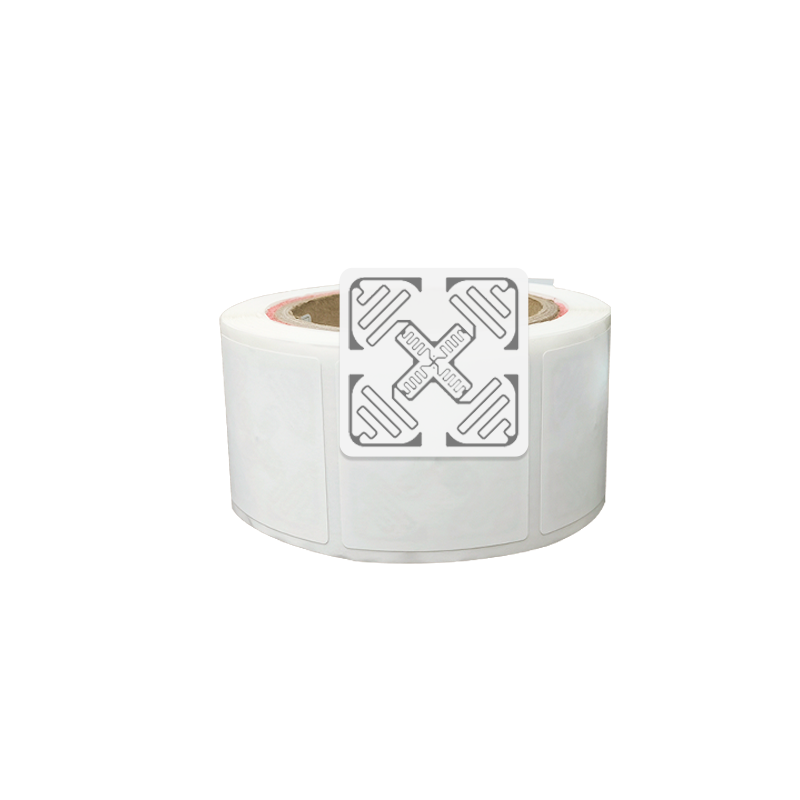
A high quality RFID asset tag is a durable identification device that uses radio frequency technology to store and transmit asset information without requiring direct scanning contact.
Unlike traditional labels or barcode tags, RFID asset tags can be read automatically through RFID readers, allowing multiple assets to be identified quickly even in challenging industrial environments.
A reliable RFID asset tag typically includes:
- A built-in RFID chip for data storage and identification
- A durable housing designed for long-term use
- Resistance against dust, moisture, vibration, or temperature changes
- Strong attachment methods for different asset surfaces
- Compatibility with RFID tracking systems and management software
These features make RFID asset tags suitable for tracking equipment, tools, machinery, containers, and other high-value industrial assets.
Why Industrial Businesses Need High Quality RFID Asset Tags
1. Improve Asset Visibility Across Operations
Industrial facilities often manage thousands of assets across different locations. Without an efficient tracking method, valuable equipment can become difficult to locate or monitor.
High quality RFID asset tags allow businesses to create a digital identity for each asset, making it easier to understand:
- Where assets are located
- Who is using them
- When they were moved or inspected
- How frequently they are being utilized
This improved visibility supports better decision-making and reduces unnecessary asset purchases.
2. Reduce Manual Tracking Errors
Manual asset recording can easily result in missing information, duplicate records, or outdated inventory data.
RFID technology automates the identification process and minimizes human errors. Workers can quickly capture asset information using RFID readers instead of manually entering serial numbers or scanning individual barcodes.
For large industrial operations, this means faster audits, more accurate records, and improved workflow efficiency.
3. Designed for Harsh Industrial Environments
Industrial assets are often exposed to demanding conditions, including:
- Extreme temperatures
- Outdoor environments
- Mechanical impact
- Chemicals and moisture
- Heavy daily use
A high quality RFID asset tag is engineered to maintain reliable performance in these conditions. Durable materials and protective designs help ensure long-term identification throughout the asset lifecycle.
This makes RFID tags ideal for applications such as:
- Manufacturing equipment tracking
- Construction tool management
- Warehouse asset monitoring
- Transportation equipment identification
- Maintenance management
Key Features to Look for in a High Quality RFID Asset Tag
Choosing the right RFID asset tag depends on the operating environment and tracking requirements. Important factors include:
Long Reading Distance
A powerful RFID tag can be identified from a suitable distance, improving efficiency when tracking multiple assets at once.
Strong Durability
Industrial RFID tags should withstand daily wear and environmental challenges without losing performance.
Reliable Data Storage
High-performance RFID chips provide accurate identification information and support long-term asset tracking.
Easy Installation
Different assets require different attachment methods, including adhesive mounting, screws, cable ties, or embedded installation.
Compatibility with RFID Systems
A quality RFID asset tag should work smoothly with existing RFID readers and asset management platforms.
Common Applications of RFID Asset Tags in Industry
Manufacturing Equipment Tracking
Manufacturers use RFID asset tags to monitor production equipment, tools, and machinery throughout their facilities.
By improving equipment visibility, companies can reduce downtime, optimize maintenance schedules, and improve production efficiency.
Warehouse and Logistics Management
Warehouses often handle thousands of assets moving between storage areas and distribution points.
RFID asset tracking helps operators quickly identify inventory locations, manage equipment availability, and improve operational accuracy.
Tool Tracking and Maintenance Management
Tools are essential assets in many industries, but they are also easy to misplace.
RFID tags help organizations monitor tool usage, simplify check-in and check-out processes, and ensure maintenance records remain accurate.
IT and Facility Asset Management
Businesses can use RFID asset tags to manage computers, servers, furniture, and other facility equipment.
Automated tracking reduces the time required for asset audits and improves accountability.
RFID Asset Tags vs Traditional Tracking Methods
| Tracking Method | Limitations | RFID Advantage |
|---|---|---|
| Manual Records | Time-consuming and error-prone | Automated identification |
| Barcode Labels | Require direct scanning | Contactless reading |
| Visual Identification | Difficult for large inventories | Digital asset information |
| Spreadsheets | Easily outdated | Real-time asset visibility |
RFID technology provides a more scalable solution for organizations managing large numbers of valuable assets.
How to Choose the Right High Quality RFID Asset Tag
Before selecting an RFID asset tag, businesses should consider:
Asset Material and Surface
Metal, plastic, wood, and other surfaces may require different RFID tag designs.
Environmental Conditions
Outdoor or industrial environments may require waterproof, impact-resistant, or heat-resistant tags.
Tracking Requirements
Consider reading distance, frequency range, and integration with existing systems.
Asset Lifecycle
For long-term tracking, choose tags designed to remain reliable throughout the expected service life of the asset.
Future of Industrial Asset Tracking with RFID Technology
As industries continue adopting automation and digital management systems, RFID technology will play a growing role in asset intelligence.
Combined with IoT platforms, cloud-based management systems, and advanced analytics, high quality RFID asset tags can provide deeper insights into asset utilization, maintenance needs, and operational performance.
The future of asset management is moving from simple identification toward intelligent tracking and predictive decision-making.
A high quality RFID asset tag provides a reliable foundation for modern industrial asset tracking. By improving visibility, reducing manual errors, and supporting automated identification, RFID technology helps businesses manage valuable equipment more efficiently.
For organizations looking to improve asset control, reduce operational costs, and build smarter management systems, durable RFID asset tags offer a practical solution for today’s industrial challenges.