



RFID Tags for Inventory Tracking in Warehouses, Retail, and Supply Chain Management
Managing inventory efficiently has become a major challenge for businesses across industries. As product volumes increase and supply chains become more complex, traditional inventory methods such as manual counting and barcode scanning often struggle to provide fast and accurate information.
RFID tags for inventory tracking offer a smarter solution by enabling automated identification, real-time data collection, and improved inventory visibility. From large warehouses and retail stores to manufacturing facilities and global supply chains, RFID technology helps businesses reduce errors, save time, and optimize daily operations.
Why Businesses Are Moving to RFID Inventory Tracking Solutions
In many warehouses and distribution centers, employees spend hours manually checking stock levels, locating products, and updating inventory records. These processes are not only time-consuming but can also lead to inaccurate data and operational delays.
RFID tags simplify inventory management by allowing multiple items to be identified simultaneously without direct line-of-sight scanning.
With RFID-based tracking systems, businesses can:
- Monitor inventory movement in real time
- Reduce manual counting workload
- Improve stock accuracy
- Prevent inventory shortages and overstocking
- Increase warehouse productivity
By replacing traditional tracking methods with automated identification, companies can make faster and more informed decisions.
RFID Tags for Warehouse Inventory Management
Warehouses are one of the most common environments where RFID inventory tracking delivers significant value.
Large distribution centers often manage thousands or even millions of products. Keeping accurate records of incoming goods, stored items, and outgoing shipments can be difficult without an efficient tracking system.
RFID tags help warehouse operators:
Improve Receiving and Shipping Accuracy
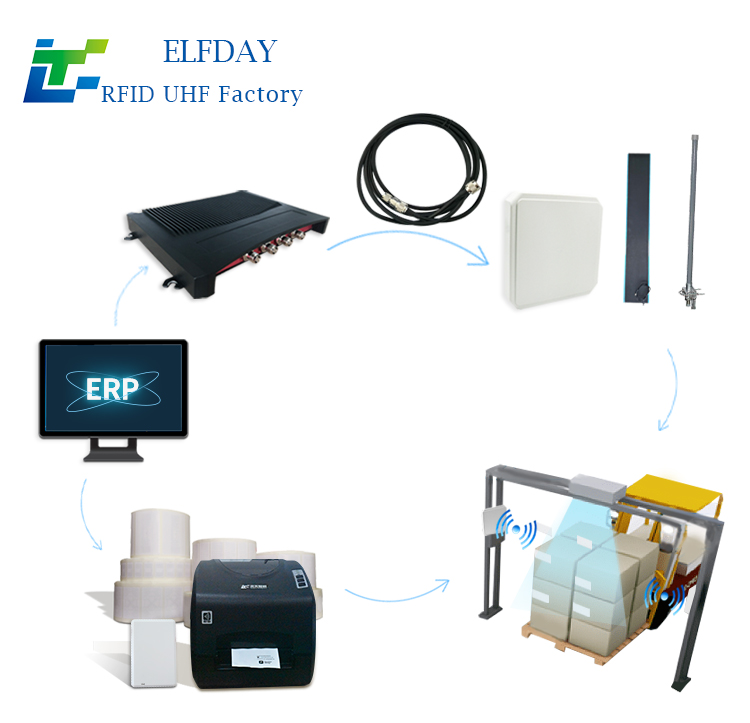
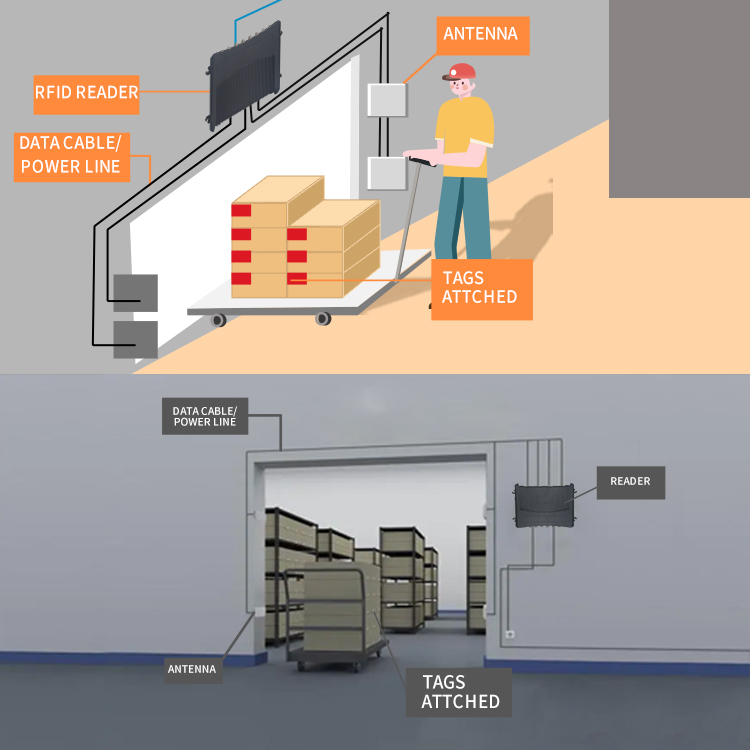
When products arrive or leave a warehouse, RFID readers can quickly capture item information and update inventory systems automatically.
Speed Up Inventory Checks
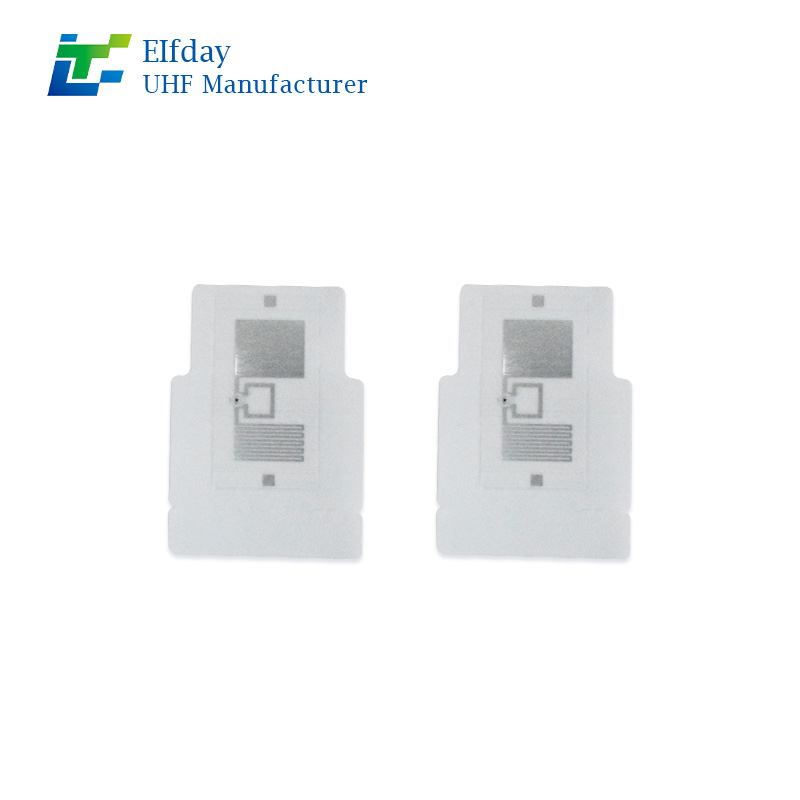
Instead of scanning each barcode individually, workers can identify multiple tagged items at once, reducing inventory counting time.
Improve Product Location Management
RFID tracking helps businesses understand where products are stored, making it easier to locate items and optimize warehouse space.
RFID Tags for Retail Inventory Tracking
Retail businesses need accurate inventory information to improve customer experiences and maintain efficient operations.
When products are misplaced, unavailable, or incorrectly recorded, retailers may lose sales opportunities.
RFID tags for inventory tracking help retailers achieve:
- Better stock visibility
- Faster inventory audits
- Reduced product loss
- Improved replenishment planning
- More efficient store operations
For clothing, electronics, accessories, and other retail products, RFID technology provides a reliable way to manage inventory from warehouse storage to store shelves.
RFID Tags for Supply Chain Management
Modern supply chains involve multiple stages, including manufacturing, transportation, warehousing, and distribution. Maintaining visibility throughout these processes is essential for operational efficiency.
RFID inventory tracking allows businesses to monitor products as they move through different supply chain stages.
Common applications include:
- Shipment tracking
- Pallet identification
- Container management
- Logistics monitoring
- Distribution center optimization
With better visibility, companies can identify delays, improve coordination, and create more resilient supply chains.
Choosing the Right RFID Tags for Inventory Tracking
Different inventory environments require different RFID tag designs. Selecting the right tag depends on factors such as product material, operating conditions, reading distance, and application requirements.
Important considerations include:
RFID Frequency Options
Different frequencies provide different performance characteristics:
- LF RFID Tags: Suitable for short-range identification applications
- HF RFID Tags: Commonly used for access control and item-level tracking
- UHF RFID Tags: Ideal for warehouse, logistics, and large-scale inventory management due to longer reading ranges
Material and Durability
Inventory environments can vary greatly. Some applications require lightweight labels, while others need durable tags that can withstand:
- Moisture
- Temperature changes
- Chemicals
- Physical impact
- Outdoor conditions
Custom Design Requirements
Many businesses require customized RFID tags based on their products and operational needs.
Customization options may include:
- Different sizes and shapes
- Various mounting methods
- Custom printing
- Specific chip selections
- Special materials for challenging environments
How RFID Tags Improve Inventory Accuracy and Efficiency
The biggest advantage of RFID inventory tracking is the ability to collect accurate information automatically.
Compared with manual inventory processes, RFID technology helps businesses:
Reduce Human Errors
Automated data collection minimizes mistakes caused by manual recording.
Save Labor Costs
Employees can complete inventory tasks faster and focus on higher-value activities.
Improve Decision-Making
Real-time inventory data allows businesses to respond quickly to changing demand.
Enhance Customer Satisfaction
Accurate stock information helps prevent out-of-stock situations and improves order fulfillment.
Industries Using RFID Tags for Inventory Tracking
RFID inventory solutions are widely used across many industries, including:
Manufacturing
Used for tracking raw materials, tools, components, and finished products.
Logistics and Transportation
Used for monitoring shipments, pallets, and supply chain operations.
Healthcare
Used for managing medical equipment, supplies, and pharmaceutical inventory.
Retail
Used for product tracking, stock management, and loss prevention.
Automotive
Used for tracking parts, components, and production processes.
The Future of Inventory Management with RFID Technology
As businesses continue to adopt automation and digital management systems, RFID technology is becoming an essential tool for modern inventory operations.
RFID tags for inventory tracking provide businesses with greater visibility, faster identification, and more accurate data across their operations.
Whether managing a warehouse, retail store, or global supply chain, RFID solutions help organizations build more efficient and intelligent inventory management systems.