



Metal Tracking Tags Explained: A Smarter Way to Track High-Value Equipment
In today’s fast-moving industrial environment, losing track of high-value equipment is more than just an inconvenience—it can lead to operational delays, financial losses, and reduced productivity. As industries continue to adopt digital tracking systems, metal tracking tags have emerged as one of the most reliable and efficient solutions for asset identification and control.
These advanced tagging tools are designed to perform in environments where traditional labels fail, especially when dealing with metal surfaces or harsh operating conditions.
What Are Metal Tracking Tags?
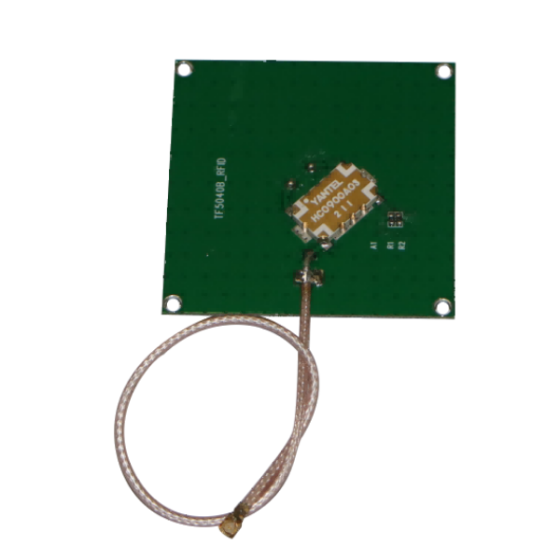
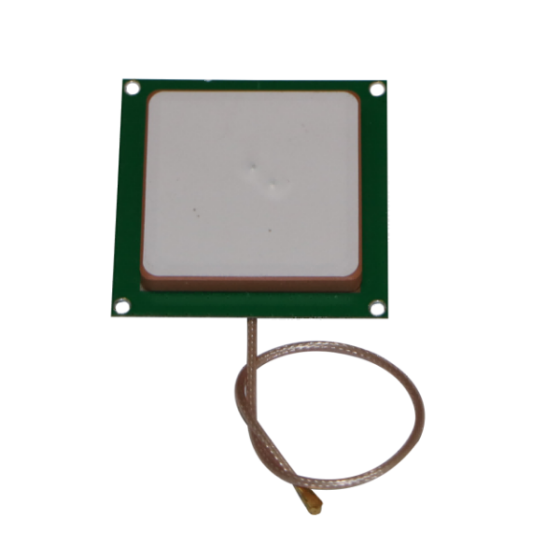
Metal tracking tags are durable identification devices used to monitor and manage assets that are made of or stored near metal materials. They are commonly integrated into RFID or barcode systems, allowing businesses to digitally track equipment throughout its lifecycle.
Unlike standard tags, these are specifically engineered to resist interference caused by metal surfaces, ensuring stable and accurate data transmission.
They are widely used across industries such as:
- Manufacturing and production
- Construction and engineering
- Warehousing and logistics
- Energy and utilities
- Transportation and fleet management
Why Traditional Tracking Methods Fall Short
Many organizations still rely on manual logs, paper-based systems, or basic barcode labels. However, these methods often struggle in industrial environments.
Common issues include:
- Human error during data entry
- Lost or damaged labels
- Lack of real-time visibility
- Inefficient inventory audits
- Difficulty tracking mobile or shared equipment
When assets are high in value or frequently moved, these limitations become even more costly.
How Metal Tracking Tags Improve Equipment Tracking
The main advantage of metal tracking tags is their ability to provide accurate, real-time visibility of assets—even in complex environments.
1. Reliable Performance on Metal Surfaces
Metal often interferes with signal transmission in traditional RFID systems. Metal tracking tags are specially designed to minimize this interference, ensuring consistent readability.
2. Real-Time Tracking Capability
When integrated with tracking systems, these tags allow businesses to monitor equipment location and status in real time, improving decision-making and responsiveness.
3. Improved Data Accuracy
Automated scanning reduces reliance on manual input, significantly lowering the risk of human error and missing records.
4. Faster Asset Audits
Instead of manual counting, teams can scan multiple assets quickly, making audits faster and more efficient.
Key Benefits of Using Metal Tracking Tags
Adopting metal tracking tags brings several operational advantages:
Enhanced Asset Visibility
Businesses gain full insight into where equipment is located and how it is being used across different locations.
Reduced Equipment Loss
Real-time tracking helps identify missing or misplaced assets quickly, reducing long-term replacement costs.
Better Operational Efficiency
Knowing exactly where equipment is allows teams to reduce downtime and improve workflow planning.
Stronger Security Control
Unauthorized movement or usage of assets can be detected early through tracking system alerts.
Where Metal Tracking Tags Are Commonly Used
These tags are widely adopted in industries where precision and durability are essential:
- Manufacturing plants: Tracking tools, molds, and machinery
- Construction sites: Managing portable equipment and heavy tools
- Warehouses: Monitoring pallets, racks, and containers
- Energy sector: Tracking assets in oil, gas, and power facilities
- Transportation: Managing fleet equipment and maintenance tools
Their adaptability makes them suitable for nearly any environment where metal assets are involved.
Choosing the Right Metal Tracking Tags
Selecting the right solution depends on several factors:
- Environmental conditions (heat, moisture, chemicals)
- Required reading distance and accuracy
- Attachment method (adhesive, screw-mounted, or embedded)
- Compatibility with existing tracking systems
- Durability and lifecycle expectations
A well-matched solution ensures long-term performance and return on investment.
As industries continue to digitize operations, the need for accurate and efficient asset tracking is becoming more critical than ever. Metal tracking tags offer a powerful solution for organizations looking to improve equipment visibility, reduce losses, and enhance operational control.
By enabling real-time tracking and minimizing human error, these tags are helping businesses move toward smarter, more transparent asset management systems.