



Jewelry RFID Tagging for Better Inventory Visibility and Faster Operations
In today’s competitive jewelry retail environment, businesses need more than traditional inventory methods to stay efficient and profitable. Manual counting, paper-based tracking, and barcode systems are no longer enough to handle the speed and accuracy modern operations require.
This is where jewelry RFID tagging becomes a game changer—offering real-time visibility, faster workflows, and significantly improved inventory control.
What Is Jewelry RFID Tagging?
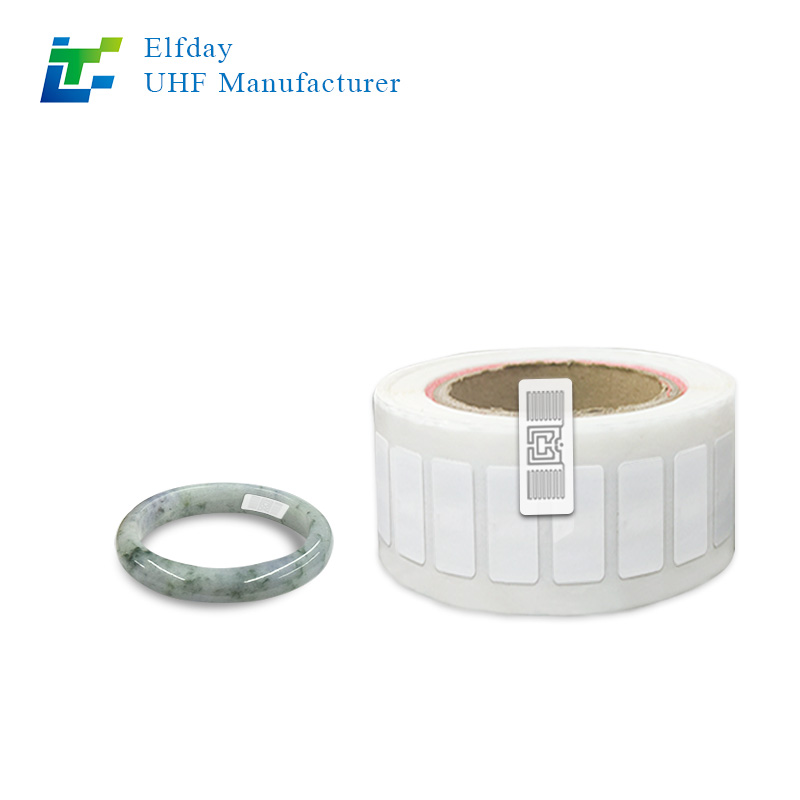
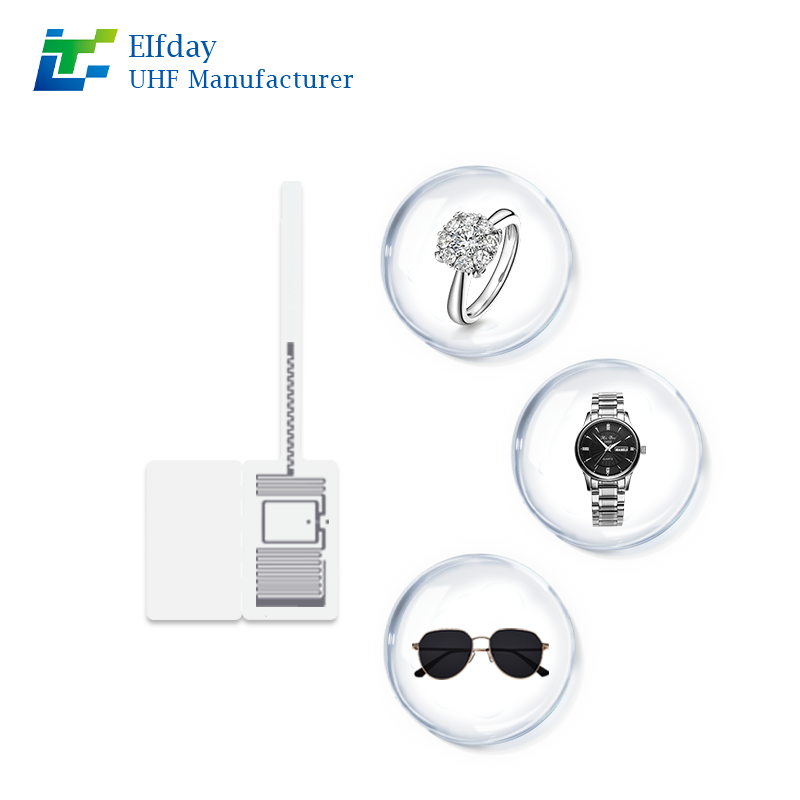
Jewelry RFID tagging is a tracking method that uses radio frequency identification technology to assign a unique digital identity to each jewelry item.
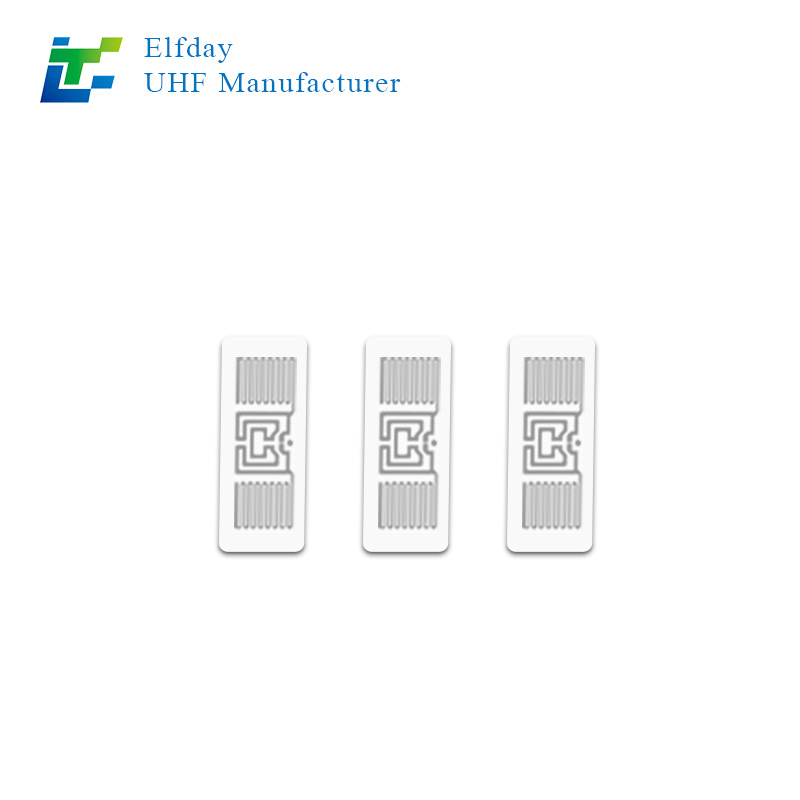
Each piece is attached with a small RFID tag that can be scanned automatically without direct line-of-sight. This allows retailers to identify and track multiple items simultaneously, even inside trays, boxes, or display cases.
Unlike barcodes, RFID does not require manual scanning one by one, making the process much faster and more reliable.
Why Inventory Visibility Matters in Jewelry Retail
Jewelry products are high-value, small-sized, and easy to misplace. Without proper tracking, retailers often face:
- Stock discrepancies
- Lost or missing items
- Slow inventory audits
- Human counting errors
Poor visibility leads directly to financial loss and operational inefficiency.
Jewelry RFID tagging solves this by giving businesses real-time, item-level visibility across all inventory locations.
How Jewelry RFID Tagging Improves Visibility
With RFID technology, every item becomes digitally traceable. Retailers can instantly know:
- What items are in stock
- Where each item is located
- What has been sold or moved
- What needs replenishment
This eliminates guesswork and significantly improves decision-making across sales and supply chain operations.
Faster Operations with RFID Technology
Speed is one of the biggest advantages of jewelry RFID tagging.
Traditional inventory checks can take hours or even days. With RFID, the same process can be completed in minutes.
Key operational improvements include:
- Faster daily stock counts
- Rapid receiving and dispatch of goods
- Instant audit capability
- Reduced labor workload
Staff can focus more on customer service and sales instead of manual stock management.
Reducing Human Error and Inventory Loss
Manual processes are highly prone to mistakes, especially in environments with thousands of small items.
Jewelry RFID tagging reduces these risks by automating data collection. Since items are scanned automatically, there is no need for manual entry or visual identification.
This leads to:
- Higher accuracy in inventory records
- Fewer mismatches between system and actual stock
- Better loss prevention and control
For high-value jewelry, even small improvements in accuracy can have a significant financial impact.
Supporting Multi-Store and Scalable Operations
As jewelry businesses grow, managing inventory across multiple stores or warehouses becomes more complex.
RFID tagging provides a centralized system that can scale easily. Whether managing one boutique or a nationwide chain, inventory data remains consistent and accessible in real time.
This makes it ideal for businesses planning expansion or digital transformation.
Jewelry RFID Tagging vs Traditional Barcode Systems
While barcode systems are still widely used, they have clear limitations compared to RFID.
- Barcodes require line-of-sight scanning
- Each item must be scanned individually
- Inventory counts are time-consuming
RFID tagging, on the other hand:
- Reads multiple items at once
- Works without direct visibility
- Enables much faster inventory processing
- Reduces labor dependency
For jewelry retailers, this difference directly translates into improved efficiency and lower operational costs.
Jewelry RFID tagging is no longer just an advanced technology—it is becoming an essential tool for modern jewelry retail operations. By improving inventory visibility and accelerating daily workflows, RFID helps businesses operate more efficiently, reduce losses, and scale with confidence.
For retailers handling high-value inventory, adopting RFID-based systems is one of the most effective steps toward smarter and more reliable inventory management.