



Why Tyre RFID Tags Are Becoming Essential for Modern Fleet Tracking
Modern fleet operations are under increasing pressure to improve efficiency, reduce costs, and eliminate visibility gaps across assets. One of the most overlooked but costly areas is tyre management.
This is why tyre RFID tags are rapidly gaining attention. They bring automation, traceability, and real-time visibility to an area that has traditionally relied on manual tracking and fragmented records.
But why are they becoming essential—not just useful—for modern fleet tracking?
What Makes Tyre RFID Tags Different?
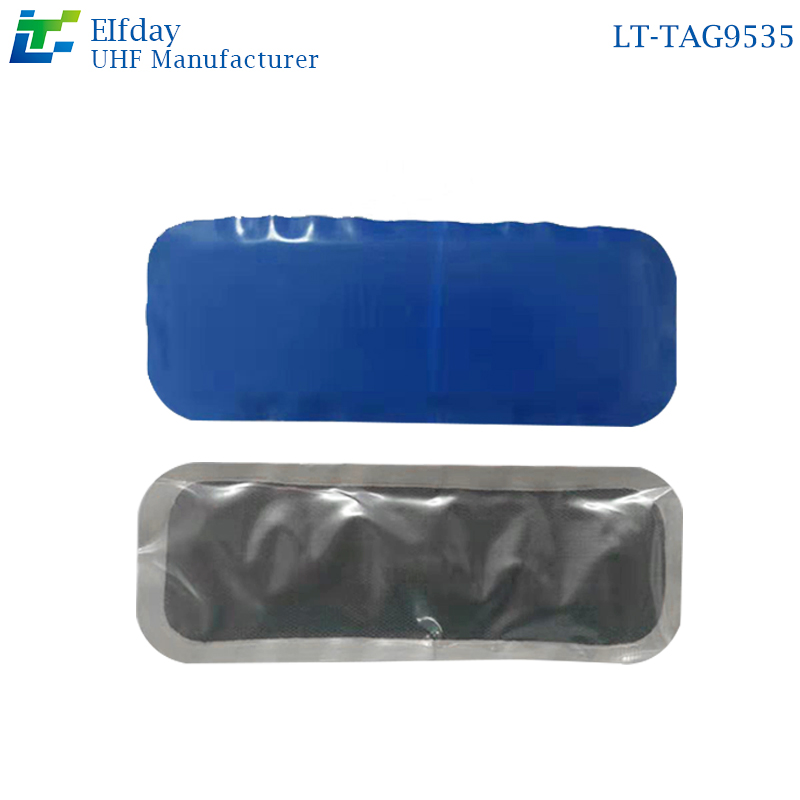
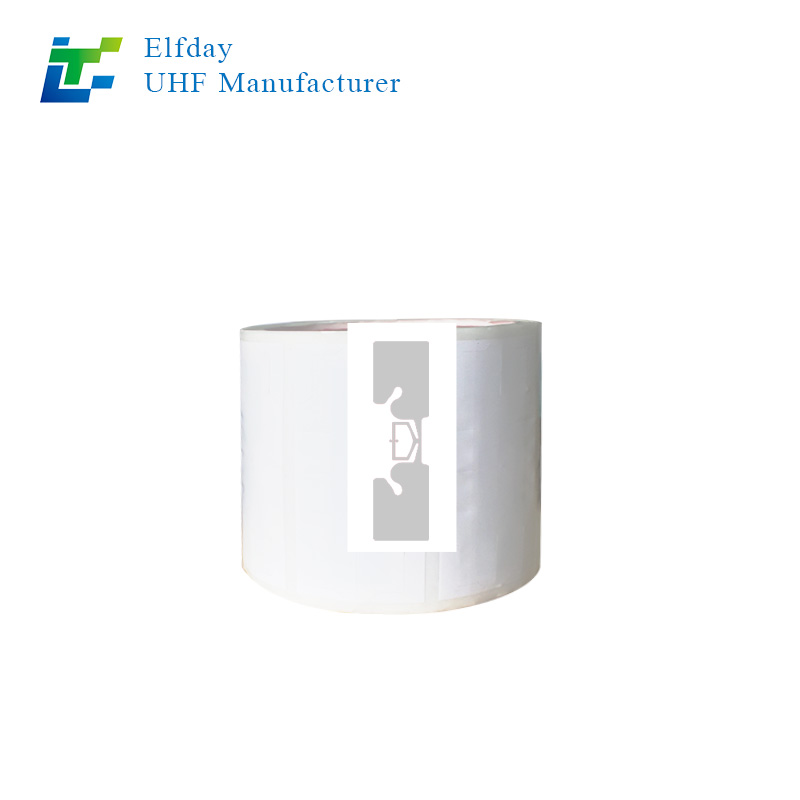
Tyre RFID tags are small electronic identifiers attached to each tyre. Each tag carries a unique ID that can be scanned wirelessly using RFID readers, without the need for line-of-sight contact.
Unlike barcodes or manual logs, tyre RFID tags allow tyres to be identified instantly as they move through:
- Warehouses
- Maintenance facilities
- Fleet depots
- Distribution centers
This creates a continuous digital identity for every tyre in the system.
1. Eliminating Blind Spots in Fleet Operations
One of the biggest challenges in fleet tracking is the lack of visibility between checkpoints. Tyres often “disappear” from records during transfers, maintenance, or storage changes.
With tyre RFID tags, every movement can be automatically captured. This reduces blind spots and ensures that tyre data stays accurate across the entire lifecycle.
Fleet managers gain a clearer picture of:
- Where each tyre is located
- When it was last used
- How frequently it moves between assets
This level of transparency is difficult to achieve with traditional systems.
2. Reducing Tyre Loss and Misplacement
Tyre loss is not always the result of theft—it is often caused by poor tracking processes.
When fleets rely on manual recording, tyres can easily be:
- Misplaced during rotation
- Incorrectly logged during maintenance
- Forgotten in storage locations
Tyre RFID tags reduce these risks by ensuring every scan is recorded automatically. If a tyre moves without being registered, the system can flag the discrepancy immediately.
3. Improving Inventory Accuracy at Scale
As fleets grow, inventory complexity increases. Managing hundreds or thousands of tyres manually becomes error-prone and inefficient.
Tyre RFID tags enable scalable inventory management by:
- Automating identification
- Reducing manual data entry
- Synchronizing records in real time
This helps organizations maintain accurate inventory data even across multiple locations.
4. Enhancing Maintenance and Lifecycle Tracking
Beyond location tracking, tyre RFID tags support full lifecycle visibility.
Fleet operators can track:
- Installation dates
- Rotation cycles
- Wear patterns
- Maintenance history
- Replacement schedules
This helps improve tyre utilization and reduces premature replacements, ultimately lowering operational costs.
5. Increasing Operational Efficiency
Time is a critical factor in fleet management. Manual scanning and paperwork slow down processes significantly.
By using tyre RFID tags, fleets can:
- Speed up tyre check-in and check-out
- Reduce inspection time
- Automate inventory audits
- Improve workflow consistency
The result is a more efficient and streamlined operation.
6. Supporting Data-Driven Fleet Decisions
Modern fleet management is increasingly data-driven. Without accurate data, decision-making becomes guesswork.
Tyre RFID tags generate structured, real-time data that can be used to:
- Optimize tyre rotation schedules
- Identify underperforming assets
- Reduce unnecessary replacements
- Improve cost forecasting
This transforms tyre management from reactive to predictive.
Limitations to Consider
Despite their benefits, tyre RFID tags are not a standalone solution.
Common challenges include:
- Initial infrastructure investment
- Tag durability in harsh environments
- Integration with existing fleet systems
- Need for consistent scanning procedures
Success depends on proper implementation, not just technology adoption.
Why Tyre RFID Tags Are Becoming Essential
The shift toward tyre RFID tags is not just about convenience—it is about necessity.
As fleets scale and operations become more complex, traditional tracking methods are no longer sufficient. Businesses need:
- Real-time visibility
- High data accuracy
- Automated tracking systems
- Scalable inventory control
Tyre RFID tags deliver all of these in a single system, making them a core component of modern fleet tracking strategies.
Fleet tracking is evolving from manual oversight to fully digital asset management. In this transformation, tyre RFID tags play a critical role.
They reduce errors, improve visibility, and provide the data needed to manage tyres more efficiently across large-scale operations.
While implementation requires planning, the long-term value is clear: better control, lower losses, and smarter fleet decisions.