



RFID Linen Is Quietly Changing Laundry Forever — Here’s Why It Matters
RFID Linen Is Quietly Changing Laundry Forever — Here’s Why It Matters
For decades, laundry operations in hotels, hospitals, and industrial facilities have relied on manual tracking systems that are slow, error-prone, and expensive. Missing towels, misplaced bed sheets, and inaccurate inventory counts have been accepted as “normal losses” in large-scale textile management.
But that assumption is changing.
A new technology—RFID linen tracking—is quietly transforming how organizations manage thousands of textile items every single day. What was once a labor-intensive process is becoming automated, data-driven, and highly accurate.
This shift is not just an upgrade. It is fundamentally reshaping the economics and efficiency of laundry operations worldwide.
What Is RFID Linen Technology?
RFID linen refers to textile items such as bed sheets, towels, uniforms, gowns, and table linens that are embedded with small RFID (Radio Frequency Identification) chips.
These chips store a unique digital ID that can be scanned wirelessly using RFID readers. Unlike barcodes, RFID tags do not require line-of-sight scanning, which makes them ideal for bulk laundry environments.
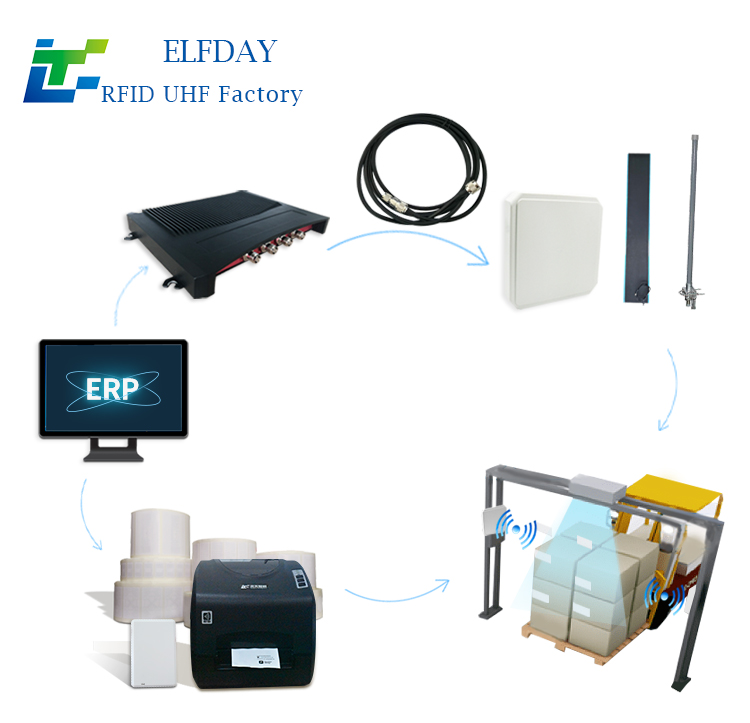
Key Components of RFID Linen Systems
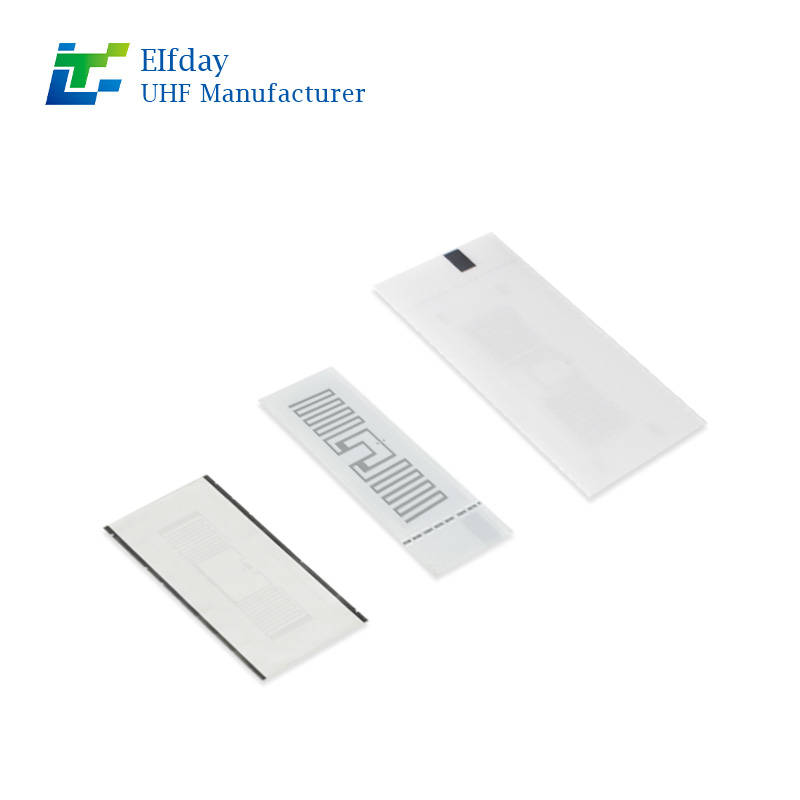
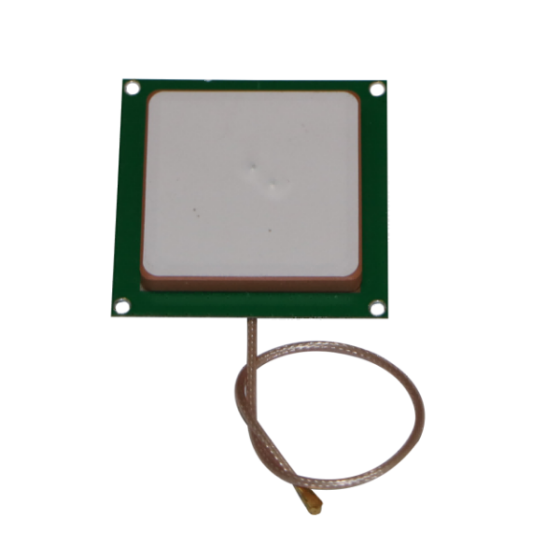
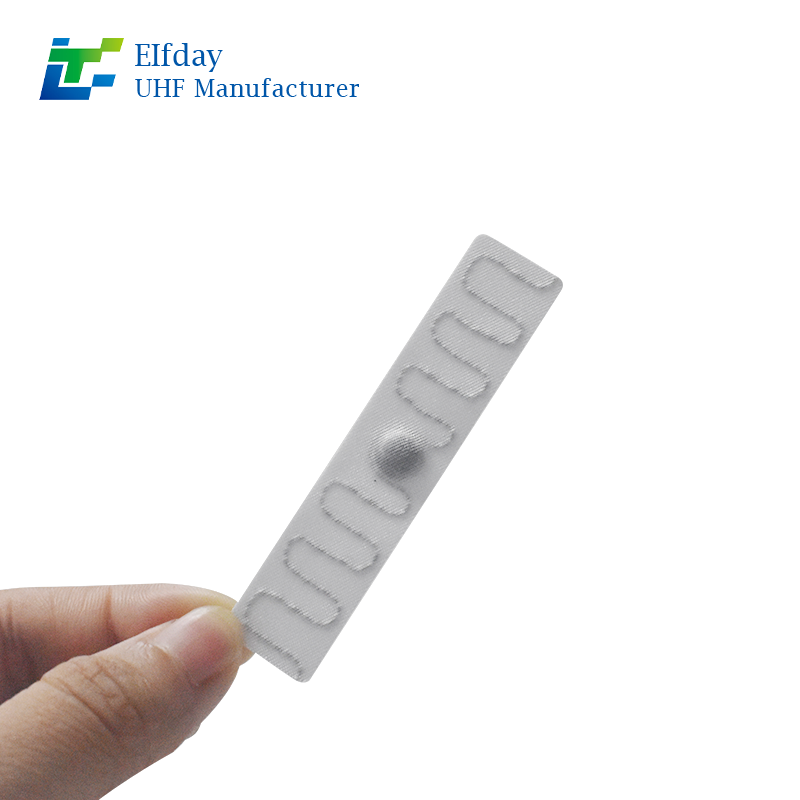
- RFID Tags: Small, heat-resistant chips sewn into textiles
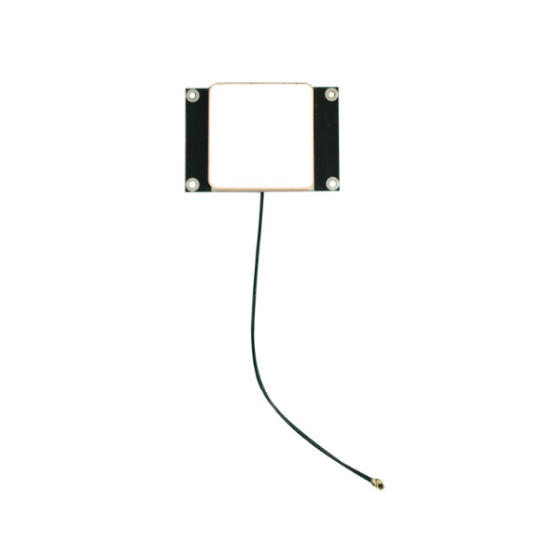
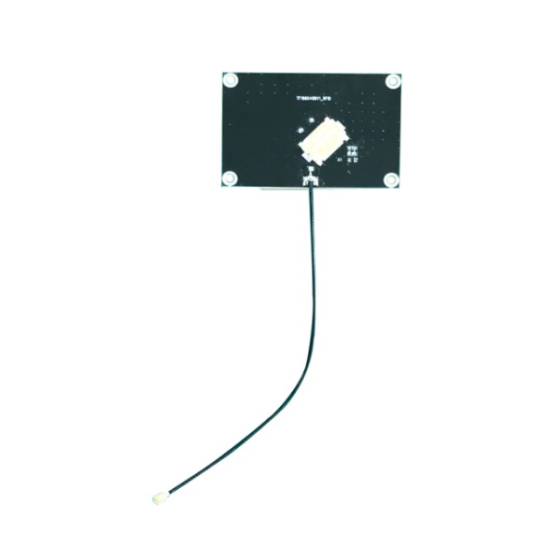
- RFID Readers: Devices that capture tag data automatically
- Software Platform: Central system that records and analyzes data
- Database Dashboard: Real-time visibility of linen movement
This system allows every item to be tracked throughout its entire lifecycle—from purchase to washing, usage, and retirement.
Why Traditional Linen Tracking Is No Longer Enough
Before RFID, most facilities relied on manual counting or barcode scanning. These systems are increasingly outdated for modern operations.
1. Human Error Is Expensive
Manual counting can lead to frequent mistakes, especially when dealing with thousands of items daily. Even a small error rate can result in significant financial losses over time.
2. Lack of Real-Time Visibility
Traditional systems cannot show where items are at any given moment. This creates blind spots in inventory control.
3. High Labor Costs
Staff must spend hours counting, sorting, and recording linen items instead of focusing on higher-value tasks.
4. Hidden Linen Loss
Items are often lost in washing cycles, transport, or internal handling—and businesses only discover the problem after inventory checks.
How RFID Linen Tracking Works Step by Step
RFID linen systems are designed to automate every stage of textile management.
Step 1: Tagging the Linen
Each textile item is embedded with a durable RFID tag that can withstand repeated industrial washing cycles.
Step 2: Registration in System
Every tag is registered in a centralized database with item type, category, and lifecycle information.
Step 3: Automated Scanning
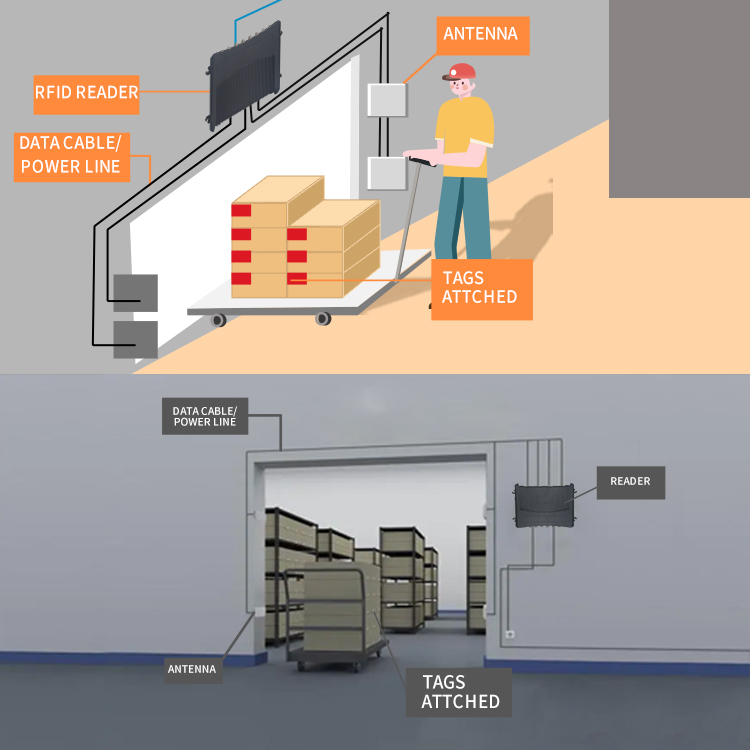
As linen passes through checkpoints (laundry intake, washing, sorting, delivery), RFID readers automatically capture data.
Step 4: Real-Time Tracking
The system updates inventory instantly, showing exactly how many items are in circulation and where they are.
Step 5: Reporting & Analytics
Managers receive detailed reports on usage, loss rates, and replacement cycles.
Why RFID Linen Is Transforming the Industry
RFID linen is not just about tracking—it is about operational transformation.
1. Significant Reduction in Linen Loss
One of the biggest cost savings comes from reducing lost or stolen items. RFID ensures accountability at every stage of handling.
2. Faster Inventory Processing
What used to take hours can now be completed in minutes. Entire batches of linen can be scanned simultaneously.
3. Improved Operational Efficiency
Automation reduces the need for manual labor, allowing staff to focus on customer service and logistics optimization.
4. Lifecycle Management
Each item’s usage history is tracked, helping businesses determine when to replace worn-out linen before it affects quality.
5. Better Cost Control
With full visibility into usage patterns, organizations can optimize purchasing and reduce unnecessary stock.
Real-World Applications of RFID Linen
Hospitality Industry (Hotels & Resorts)
Hotels manage massive volumes of towels, sheets, robes, and uniforms daily. RFID linen tracking ensures availability, reduces shortages, and improves guest satisfaction.
Healthcare Industry (Hospitals & Clinics)
Hospitals require strict hygiene control. RFID helps track clean vs. used linens and prevents cross-contamination risks.
Industrial Laundry Services
Large laundry providers process thousands of items daily. RFID systems allow them to handle bulk operations with precision and speed.
Cruise Ships & Airlines
In closed environments where linen circulation is continuous, RFID ensures nothing is lost or misallocated.
Key Benefits of RFID Linen Systems
✔ Reduced Operational Costs
Less loss, fewer replacements, and reduced labor requirements.
✔ Higher Accuracy
Near-perfect inventory tracking compared to manual systems.
✔ Faster Turnaround Time
Automation significantly reduces processing delays.
✔ Increased Transparency
Every item has a digital history that can be audited at any time.
✔ Better Resource Planning
Predictive data helps optimize procurement and stock levels.
Challenges and Considerations
While RFID linen systems offer major advantages, implementation requires planning.
1. Initial Investment Cost
RFID tags, readers, and software require upfront investment.
2. Integration with Existing Systems
Facilities may need to integrate RFID with current inventory or ERP systems.
3. Staff Training
Employees must be trained to use new scanning and tracking processes effectively.
4. Tag Durability Selection
Not all RFID tags are suitable for industrial washing conditions, so choosing the right type is critical.
The Future of RFID Linen Technology
The future of RFID linen systems is moving toward full automation and smart integration.
AI-Driven Inventory Optimization
Artificial intelligence will predict linen demand based on usage patterns.
IoT Integration
RFID systems will connect with washing machines and logistics systems automatically.
Predictive Maintenance Models
Facilities will replace linen based on data, not guesswork.
Fully Autonomous Laundry Systems
End-to-end automated tracking with minimal human intervention.
What is RFID linen used for?
RFID linen is used to track textile items like sheets, towels, and uniforms in real time using RFID technology.
Is RFID linen suitable for hotels?
Yes, hotels are one of the biggest users of RFID linen systems due to high inventory turnover.
Can RFID tags survive industrial washing?
Yes, specially designed RFID tags are built to withstand repeated high-temperature industrial washing cycles.
Does RFID linen reduce costs?
Yes, it reduces costs by minimizing loss, improving efficiency, and optimizing inventory management.
Is RFID linen difficult to implement?
Implementation requires planning but becomes highly efficient once integrated into operations.
RFID linen technology is no longer a future concept—it is already reshaping how modern laundry operations function. From hotels to hospitals, organizations are gaining unprecedented control over their textile assets.
What makes this shift so powerful is not just automation, but visibility. For the first time, businesses can see exactly where every item is, how it is used, and when it needs replacement.
In an industry where margins are tight and efficiency is critical, RFID linen is becoming less of an option and more of a necessity.