



How UHF RFID Anti Metal Tags Solve Signal Problems in Metal Environments
In modern industrial and logistics environments, tracking assets with high accuracy is critical. However, one of the biggest challenges in RFID deployment is signal interference caused by metal surfaces. Metal reflects and distorts radio frequency signals, making standard RFID tags unreliable.
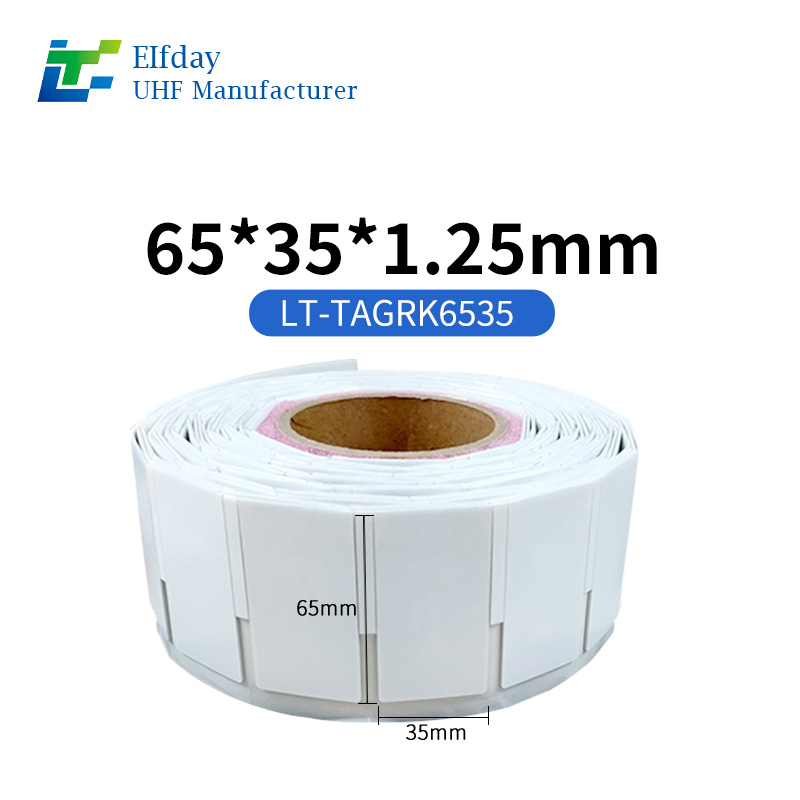
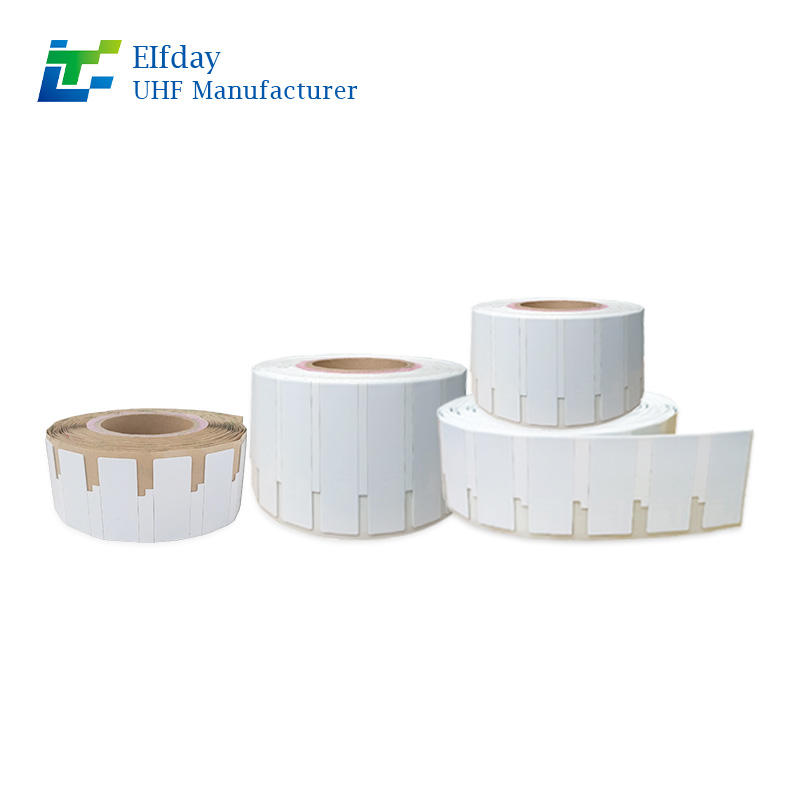
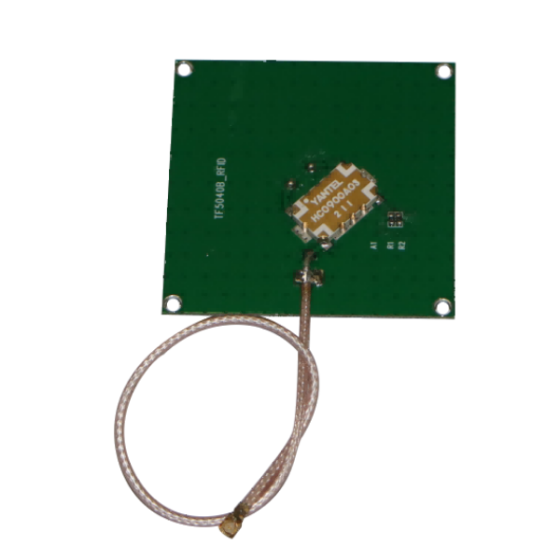
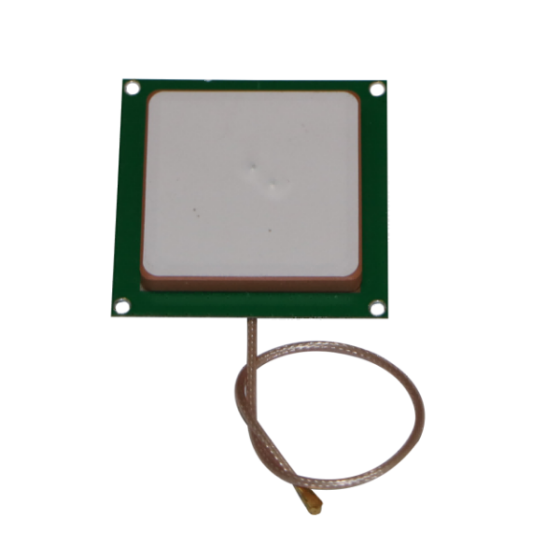
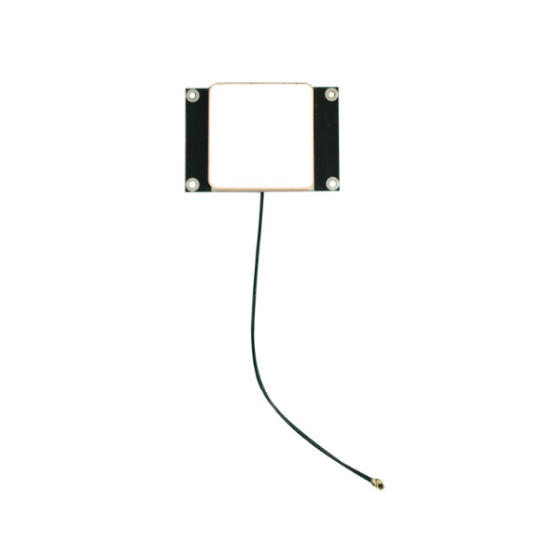
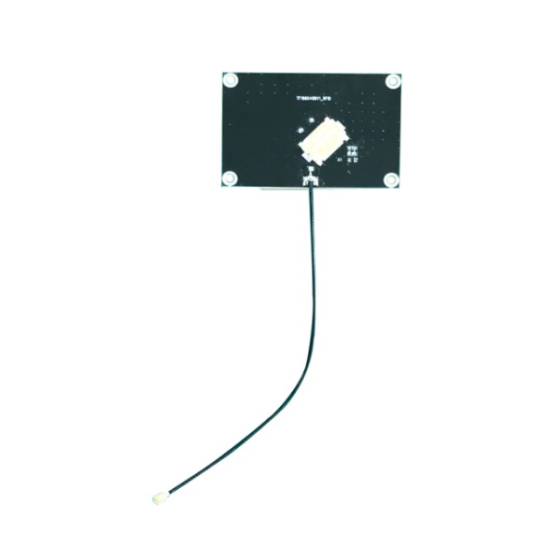
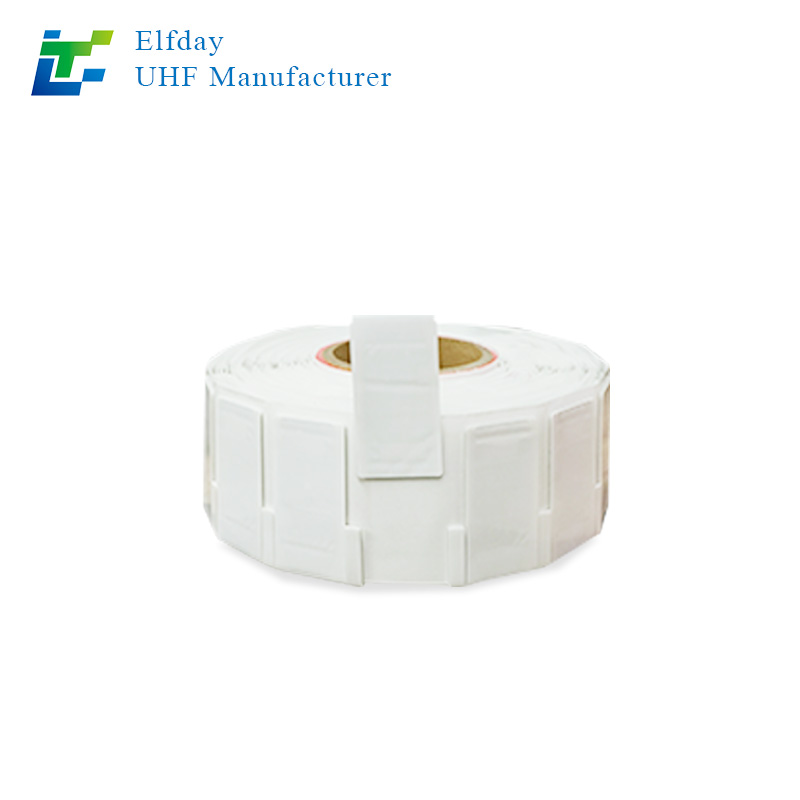
This is where the uhf rfid anti metal tag becomes essential. Designed specifically for metal environments, it ensures stable performance, accurate reading, and long-range identification even in the most challenging conditions.
Why Metal Surfaces Cause RFID Signal Problems
Before understanding the solution, it’s important to know the problem.
When a standard RFID tag is placed on or near metal, several issues occur:
- Signal reflection and scattering
- Antenna detuning
- Reduced read range
- Data loss or unstable readings
Metal essentially acts like a “signal blocker,” disrupting communication between the tag and the RFID reader.
This is why traditional RFID systems often fail in warehouses, factories, and industrial asset environments.
How UHF RFID Anti Metal Tags Solve the Problem
A uhf rfid anti metal tag is engineered specifically to overcome metal interference using advanced structural and antenna design.
1. Isolation Layer Technology
The key innovation is a built-in insulating layer placed between the tag’s antenna and the metal surface.
This layer:
- Prevents direct metal contact
- Reduces signal distortion
- Maintains antenna performance stability
2. Optimized UHF Frequency Performance
Operating in the Ultra-High Frequency (860–960 MHz) band, these tags are designed for:
- Long reading distance
- Fast data transmission
- Strong penetration capability in complex environments
3. Directional Signal Control
Instead of losing energy into the metal surface, the tag redirects the signal outward, improving readability and consistency.
Key Benefits in Real-World Applications
Stable Performance on Metal Assets
From machinery to steel containers, the tag remains readable even when fully attached to metal surfaces.
Extended Reading Distance
UHF technology allows scanning from several meters away, reducing manual labor.
High Accuracy in Inventory Systems
Fewer missed scans means more reliable inventory and asset tracking data.
Durable Industrial Design
Most anti-metal tags are built to withstand:
- Heat
- Vibration
- Moisture
- Harsh industrial environments
Common Use Cases of UHF RFID Anti Metal Tags
Manufacturing Industry
Used for tracking heavy machinery, tools, and production equipment in real time.
IT Asset Management
Perfect for servers, metal-cased devices, and data center equipment.
Logistics and Supply Chain
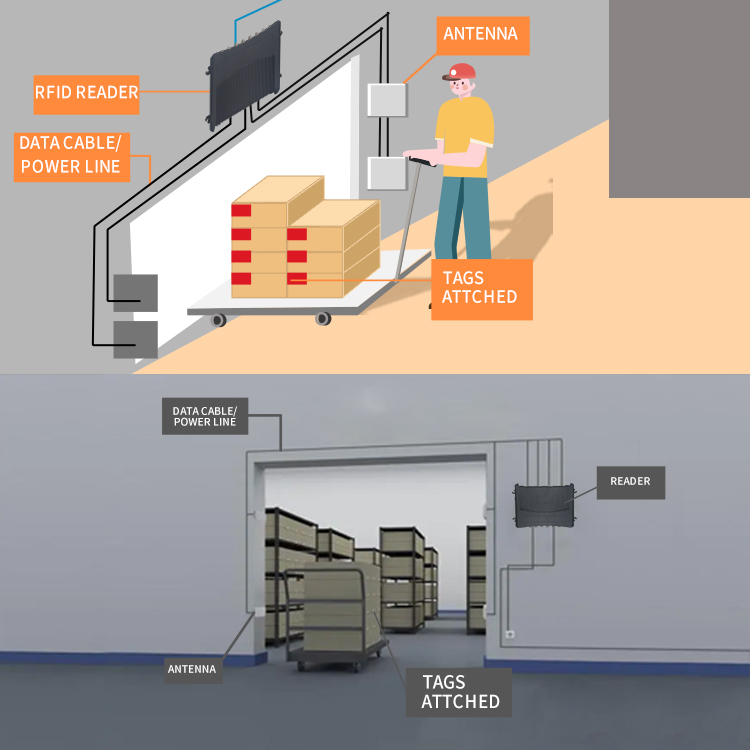
Enables tracking of metal pallets, containers, and transport cages.
Energy and Utilities
Widely used in oil, gas, and power industries for pipes, cylinders, and field equipment.
Comparison: Standard RFID vs Anti Metal RFID Tags
Standard RFID tags perform well on non-metal surfaces but fail in metal-heavy environments.
| Feature | Standard RFID Tag | UHF RFID Anti Metal Tag |
|---|---|---|
| Metal Surface Use | Poor | Excellent |
| Read Range | Limited | Extended |
| Signal Stability | Weak | Strong |
| Industrial Suitability | Low | High |
Why UHF RFID Anti Metal Tags Are Becoming Industry Standard
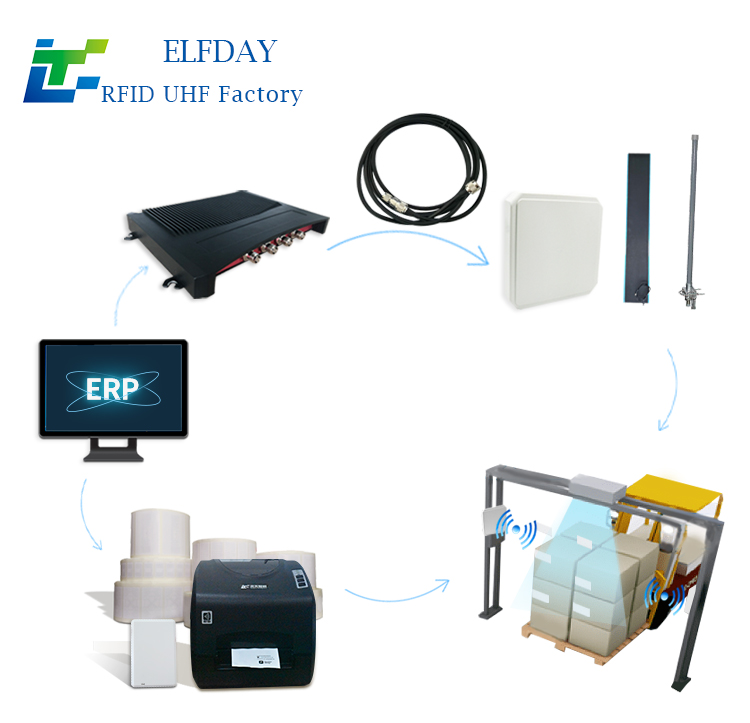
As industries move toward automation and smart tracking systems, reliability is critical. The ability to maintain stable performance on metal surfaces makes the uhf rfid anti metal tag a key technology in:
- Smart warehousing
- Industrial automation
- Digital supply chains
- Asset lifecycle management
Metal environments have always been a major challenge for RFID technology, but uhf rfid anti metal tags provide a practical and effective solution. Through isolation layers, optimized UHF performance, and advanced antenna design, they ensure stable and accurate tracking where traditional tags fail.
For businesses that rely on asset visibility and operational efficiency, these tags are no longer optional—they are essential.