



UHF RFID Sticker for Real-Time Asset Tracking and Inventory Control
In today’s fast-moving supply chain and retail environments, tracking every item accurately is no longer optional—it’s essential. The UHF RFID sticker has become one of the most efficient and cost-effective tools for achieving real-time visibility, reducing human error, and improving operational efficiency across industries.
Unlike traditional barcodes, a UHF RFID sticker enables contactless scanning at scale, making it ideal for businesses that need speed, accuracy, and automation.
What Is a UHF RFID Sticker?
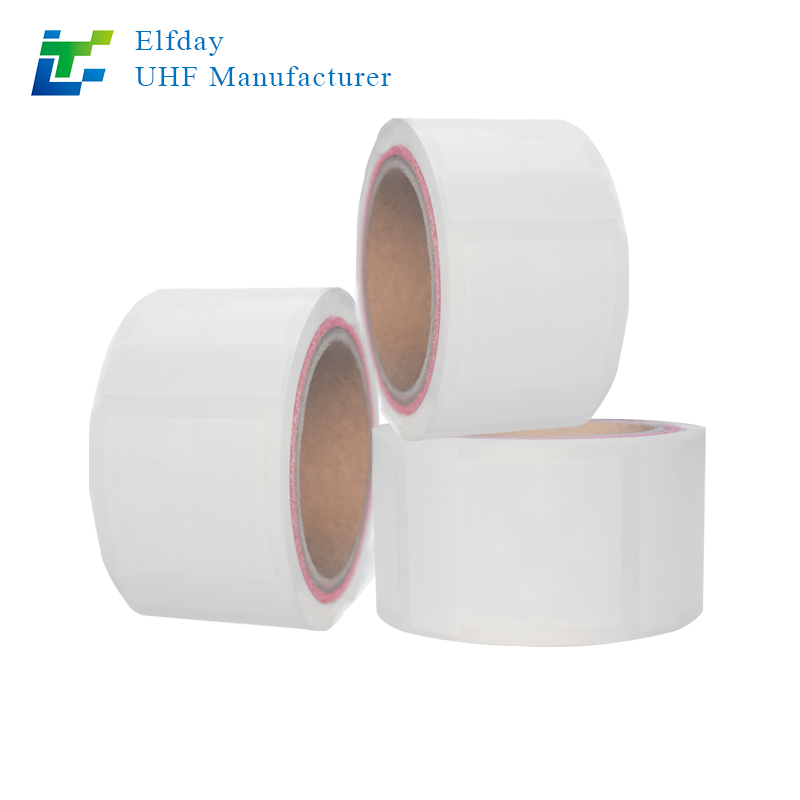
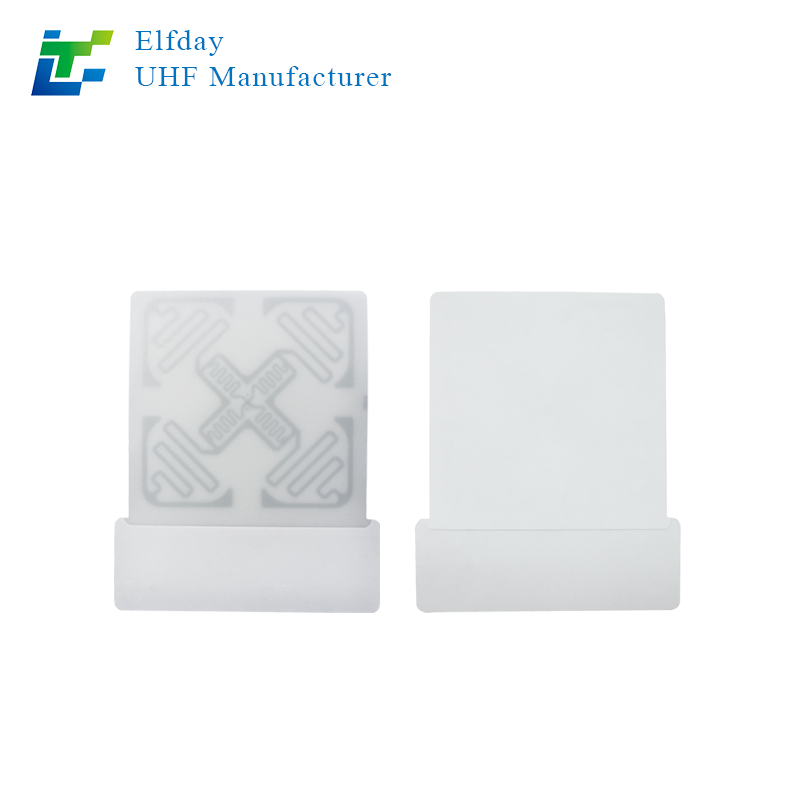
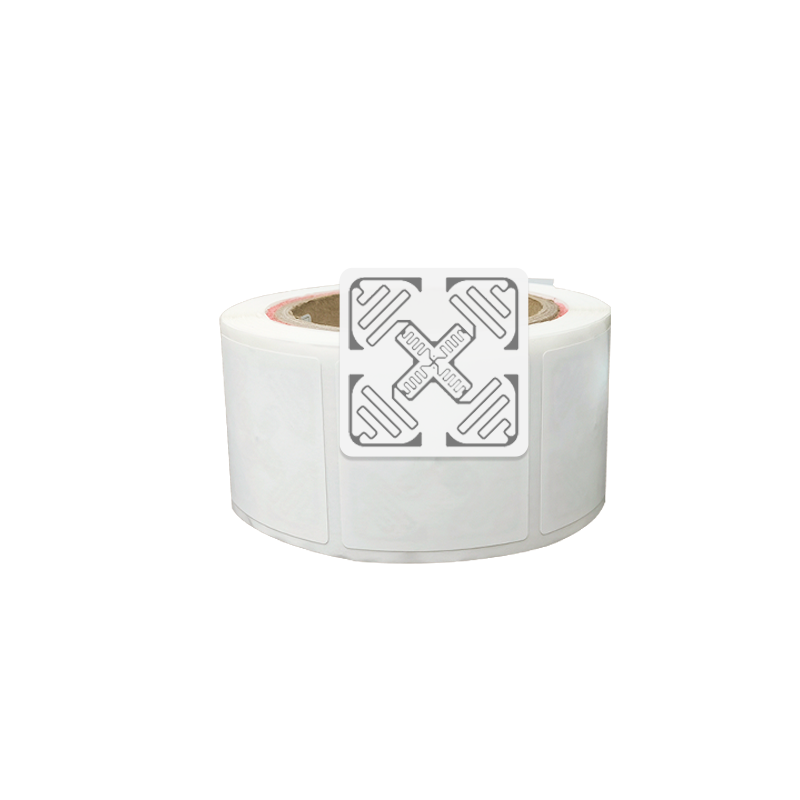
A UHF RFID sticker is a thin, flexible label embedded with an ultra-high frequency RFID chip and antenna. It can be attached to products, packaging, cartons, or assets for wireless identification and tracking.
Using radio frequency signals, these stickers communicate with RFID readers without requiring line-of-sight scanning—unlike barcodes or QR codes.
Why Businesses Are Switching to UHF RFID Stickers
1. Faster Inventory Counting
Thousands of items can be scanned within seconds, dramatically reducing manual labor and audit time.
2. Real-Time Tracking
From warehouse to retail shelf, every tagged item can be tracked with near real-time visibility.
3. Reduced Human Error
Automation minimizes mistakes caused by manual scanning or data entry.
4. No Line-of-Sight Required
Tags can be read through packaging, boxes, or even from a distance, improving workflow efficiency.
5. Scalable and Cost-Effective
UHF RFID stickers are lightweight, affordable, and easy to mass deploy across supply chains.
Common Applications of UHF RFID Stickers
The flexibility of UHF RFID technology makes it suitable for multiple industries:
- Retail inventory management – Track clothing, electronics, and fast-moving goods
- Logistics & shipping – Monitor cartons, pallets, and shipments in transit
- Warehouse automation – Improve picking accuracy and stock control
- Asset tracking – Manage tools, IT equipment, and high-value assets
- Library systems – Automate book check-in and check-out processes
- Healthcare – Track medical supplies and equipment usage
How UHF RFID Stickers Work
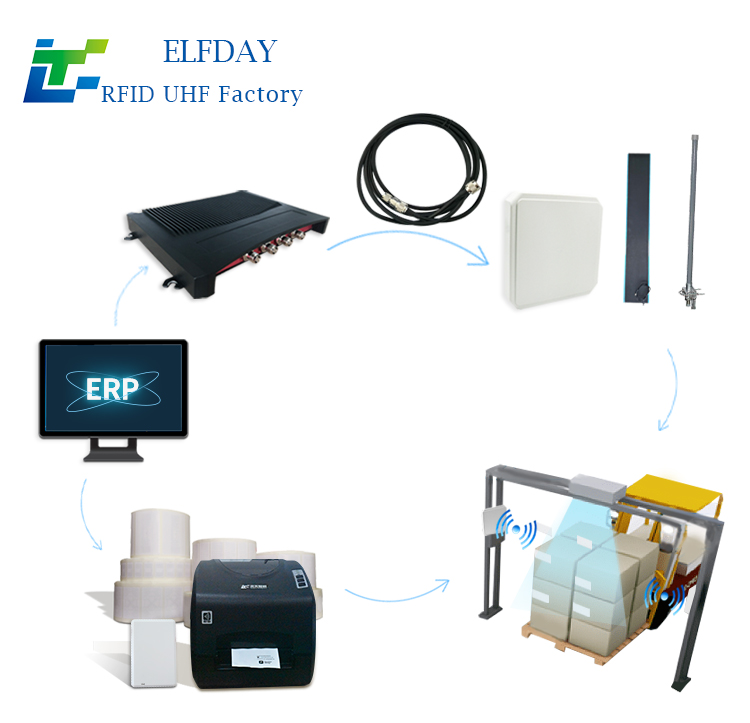
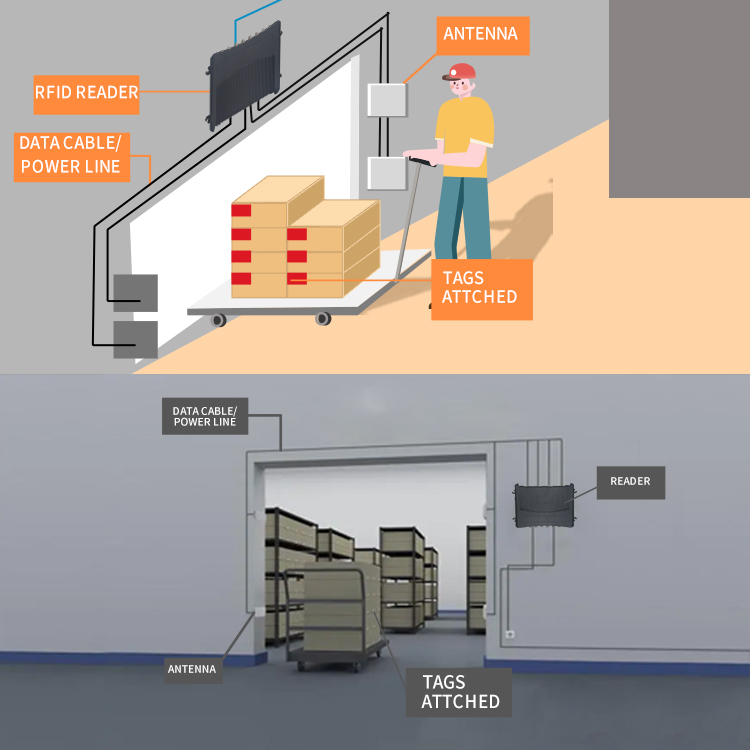
A UHF RFID system typically includes three components:
- RFID sticker (tag) – Stores item-specific data
- RFID reader – Sends and receives radio signals
- Backend system – Processes and manages the collected data
When the reader emits a signal, the sticker responds with stored information, enabling fast and accurate identification without physical contact.
Key Factors When Choosing UHF RFID Stickers
Before selecting a solution, consider the following:
- Read range (short-range vs long-range tracking needs)
- Surface type (metal, plastic, cardboard compatibility)
- Durability (heat, water, and chemical resistance)
- Chip memory capacity
- Adhesive strength for different environments
Choosing the right type ensures stable performance in real-world conditions.
The Future of RFID Labeling
As automation continues to grow, UHF RFID sticker technology is becoming a core part of digital transformation strategies. From smart warehouses to intelligent retail systems, RFID is helping businesses reduce costs, increase visibility, and operate more efficiently than ever before.
The UHF RFID sticker is more than just a label—it’s a gateway to smarter tracking, faster operations, and data-driven decision-making. For companies looking to upgrade their inventory or logistics systems, adopting RFID labeling is quickly becoming a competitive necessity rather than an option.