



Patient Tracking RFID Tags for Real Time Healthcare Visibility
Patient Tracking RFID Tags
Healthcare providers are under increasing pressure to deliver safer, faster, and more efficient patient care. From overcrowded emergency departments to complex inpatient management, hospitals need accurate real-time information to ensure every patient receives the right care at the right time. This is where patient tracking RFID tags are transforming modern healthcare operations.
By enabling automatic identification and location tracking, RFID technology helps healthcare facilities monitor patient movement, reduce administrative burdens, improve safety, and enhance the overall patient experience.
What Are Patient Tracking RFID Tags
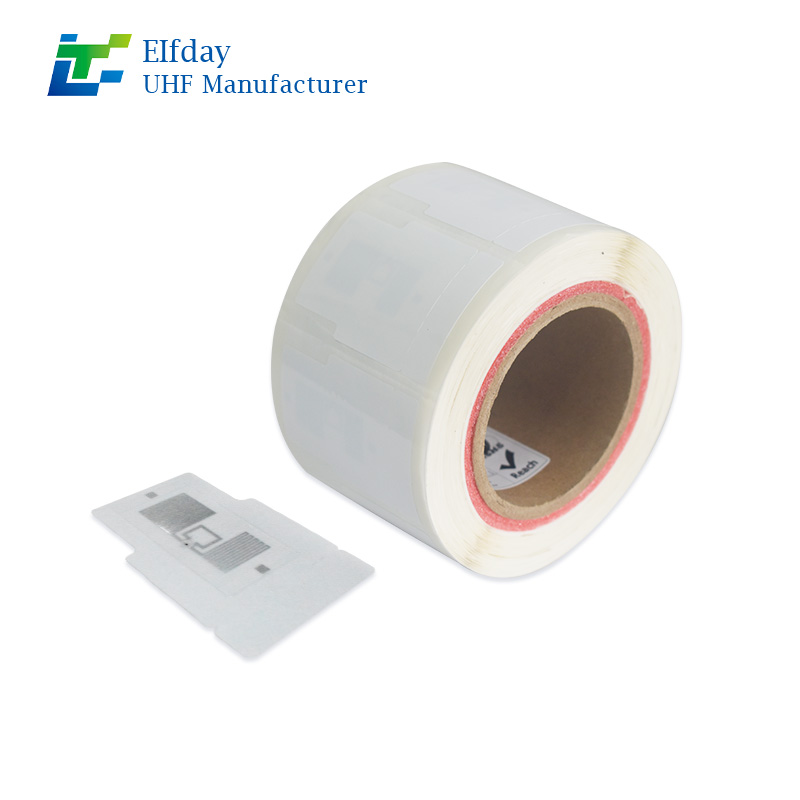
Patient tracking RFID tags are electronic identification devices that use Radio Frequency Identification technology to monitor and identify patients throughout their healthcare journey. These tags are typically embedded in wristbands and contain a unique identifier linked to patient records within the hospital information system.
Unlike traditional barcode systems, RFID tags do not require direct line-of-sight scanning. Multiple patients can be identified automatically and simultaneously, allowing healthcare staff to access accurate location and status information in real time.
How Patient Tracking RFID Tags Work
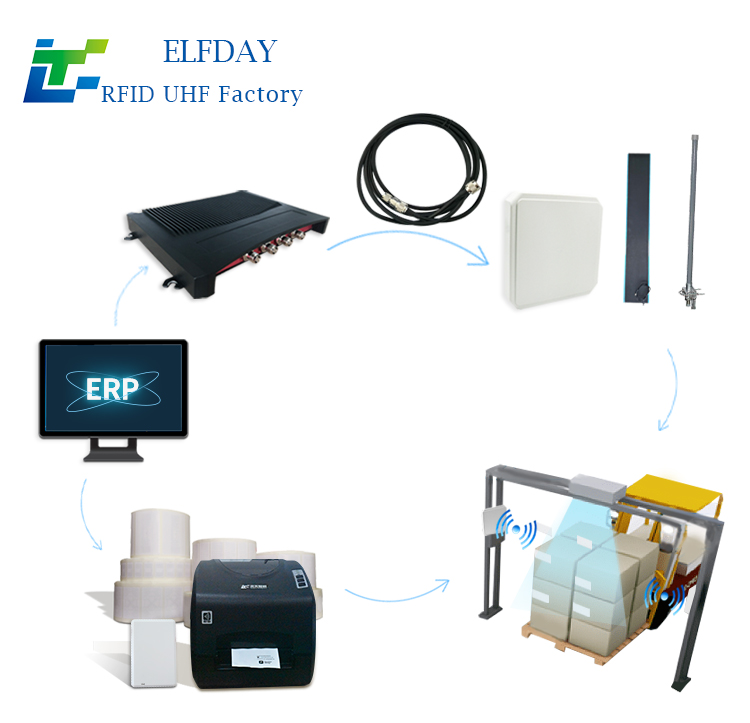
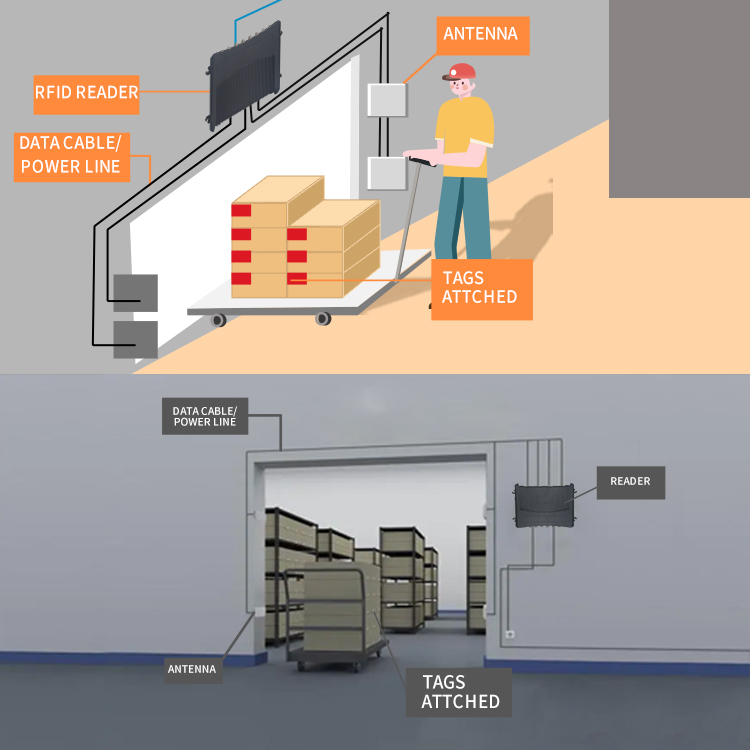
A patient tracking RFID system generally consists of three core components:
- RFID patient wristbands or tags
- RFID readers installed at strategic locations
- Hospital management software
When a patient wearing an RFID wristband moves through different hospital departments, RFID readers automatically capture tag information and update the patient's location in the system. This creates a continuous digital record of patient movement without requiring manual data entry.
The result is a more efficient and transparent healthcare workflow.
Key Benefits of Patient Tracking RFID Tags
Enhanced Patient Safety
Patient safety remains the highest priority in healthcare. RFID-enabled patient identification significantly reduces the risk of medical errors by ensuring healthcare professionals can accurately verify patient identities before administering treatments, medications, or procedures.
Real-time tracking also helps prevent patient misplacement and supports rapid response during emergencies.
Improved Operational Efficiency
Manual patient tracking consumes valuable staff time and often leads to errors. RFID automation eliminates many routine tracking tasks, allowing healthcare workers to focus more on patient care.
Hospitals can benefit from:
- Faster patient admissions
- Reduced paperwork
- Improved patient flow
- Better resource allocation
- Enhanced departmental coordination
Real-Time Location Visibility
Knowing exactly where patients are located at any given moment improves hospital management and decision-making.
Healthcare administrators can quickly identify:
- Patients waiting for procedures
- Available treatment rooms
- Bottlenecks in patient flow
- Delays in discharge processes
This visibility helps optimize operations and reduce unnecessary waiting times.
Better Patient Experience
Long waiting periods and communication gaps often create frustration for patients and families. Patient tracking RFID tags help healthcare facilities provide more accurate updates regarding patient status and location.
The result is:
- Shorter wait times
- Faster service delivery
- Improved communication
- Increased patient satisfaction
Common Applications of Patient Tracking RFID Tags
Emergency Departments
Emergency rooms require rapid patient identification and movement tracking. RFID technology enables healthcare providers to monitor patient progress from triage through treatment and discharge.
Surgical Centers
Patient tracking RFID tags help ensure patients are in the correct location before surgery and provide real-time updates throughout the surgical process.
Long-Term Care Facilities
Nursing homes and assisted living facilities use RFID tracking to improve resident safety and monitor movement within the facility.
Pediatric Care
Hospitals can use RFID technology to help prevent infant and child abduction while ensuring accurate patient identification.
Specialized Treatment Centers
Cancer treatment centers, rehabilitation facilities, and outpatient clinics use RFID systems to streamline patient management and improve care coordination.
Important Features to Consider
When selecting patient tracking RFID tags, healthcare organizations should evaluate:
- Comfortable wristband design
- Waterproof and disinfectant-resistant materials
- Long reading distance
- High read accuracy
- Secure patient data protection
- Compatibility with existing healthcare systems
- Reliable performance in busy hospital environments
Choosing the right RFID solution ensures consistent operation and long-term value.
The Future of Patient Tracking RFID Tags
As healthcare becomes increasingly digital, patient tracking RFID tags are expected to play a larger role in connected healthcare ecosystems. Integration with electronic health records, medical equipment tracking, and predictive analytics will further improve operational efficiency and patient outcomes.
Emerging technologies such as IoT, artificial intelligence, and cloud-based healthcare platforms will continue expanding the capabilities of RFID-enabled patient tracking systems.
Patient tracking RFID tags are becoming an essential tool for healthcare facilities seeking to improve patient safety, increase operational efficiency, and enhance the overall care experience. By providing real-time visibility into patient movement and automating identification processes, RFID technology helps hospitals deliver more accurate, responsive, and efficient healthcare services.
As healthcare organizations continue to modernize their operations, patient tracking RFID tags will remain a key technology driving smarter patient management and better clinical outcomes.