




RFID High Temperature Tags: The Durable RFID Solution for Extreme Heat Environments
Meta Description
Discover how RFID high temperature tags improve asset tracking and inventory management in extreme heat environments. Learn about applications, benefits, materials, and selection tips for industrial operations.
RFID High Temperature Tags: The Ultimate Guide for High-Heat Industrial Tracking
In industries where extreme temperatures are part of daily operations, traditional identification labels often fail. Heat can damage barcodes, fade printed information, and reduce the lifespan of standard RFID tags. This is where RFID high temperature tags become essential.
Designed to withstand harsh thermal conditions, RFID high temperature tags provide reliable asset identification and tracking in manufacturing, automotive production, metal processing, aerospace, and other demanding environments. Their durability ensures uninterrupted data collection even when exposed to temperatures that would destroy ordinary tags.
What Are RFID High Temperature Tags?
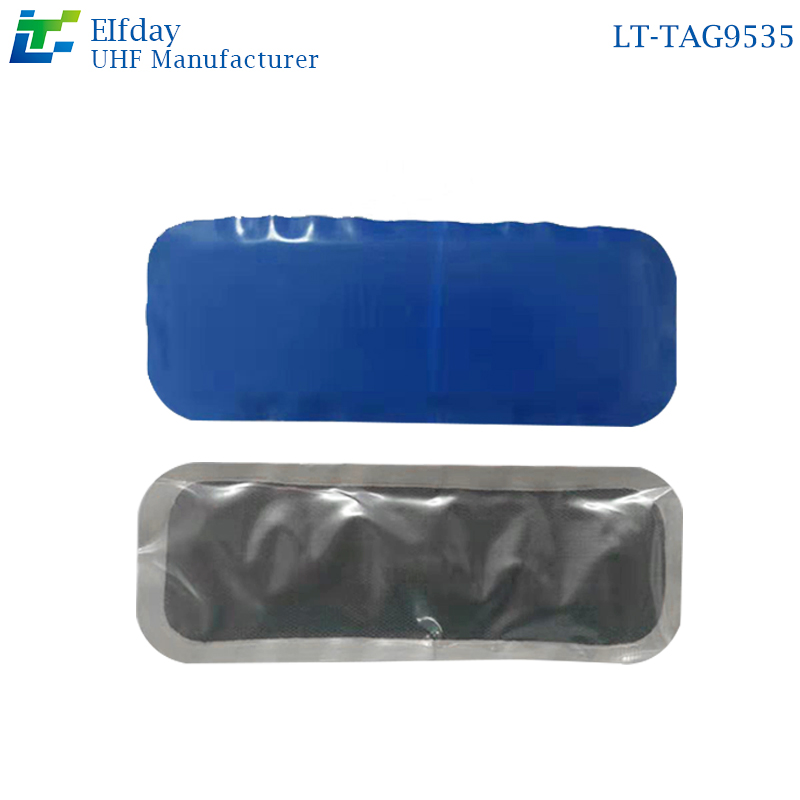
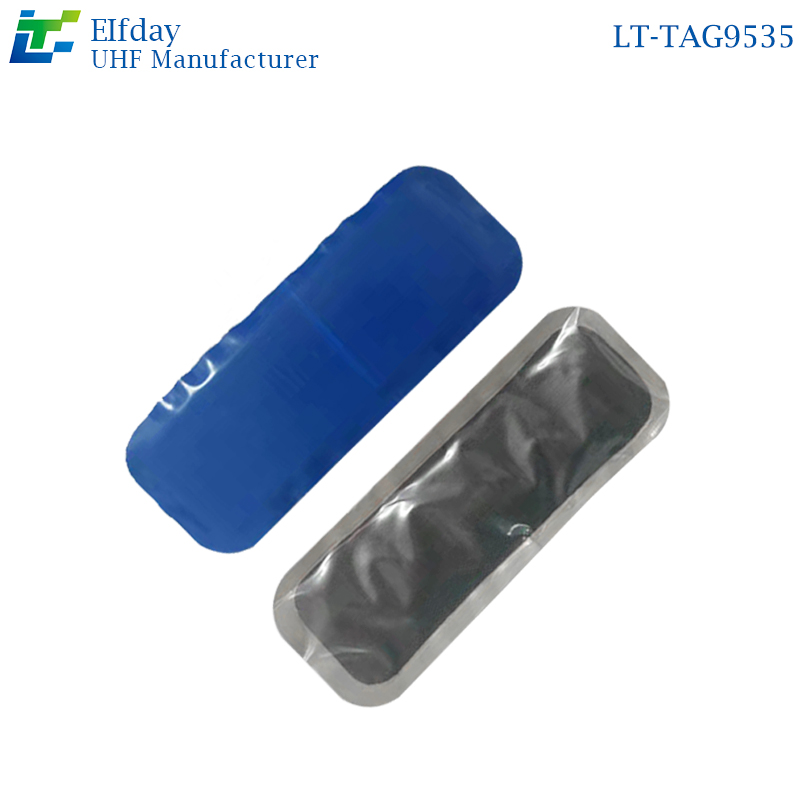
RFID high temperature tags are specialized radio frequency identification tags engineered to maintain performance under elevated temperatures. Unlike conventional RFID labels, these tags are manufactured using heat-resistant materials such as ceramic, PPS (Polyphenylene Sulfide), high-temperature polymers, and industrial-grade encapsulation.
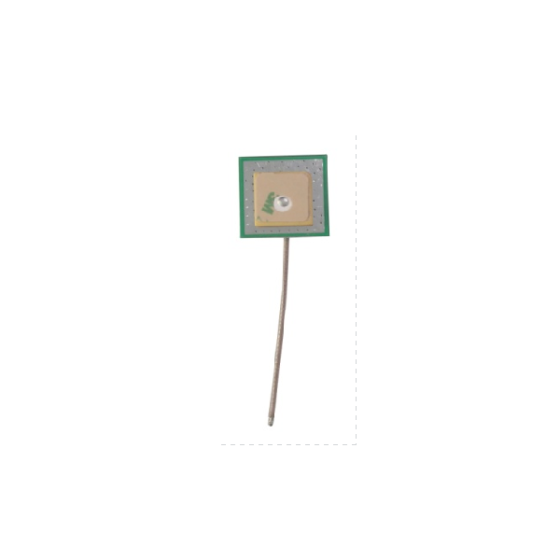
These tags contain an RFID chip and antenna that can continue transmitting data accurately even after repeated exposure to high heat cycles, making them ideal for industrial asset tracking.
Why Businesses Choose RFID High Temperature Tags
Organizations operating in extreme environments require tracking solutions that deliver consistent performance. RFID high temperature tags offer several advantages:
Exceptional Heat Resistance
One of the primary benefits is the ability to withstand temperatures ranging from 200°C to over 300°C, depending on the tag design and material composition.
Long-Term Durability
RFID high temperature tags are resistant to:
- Extreme heat
- Moisture
- Chemical exposure
- Pressure washing
- Industrial vibration
- Mechanical impact
This durability reduces replacement costs and minimizes maintenance requirements.
Improved Asset Visibility
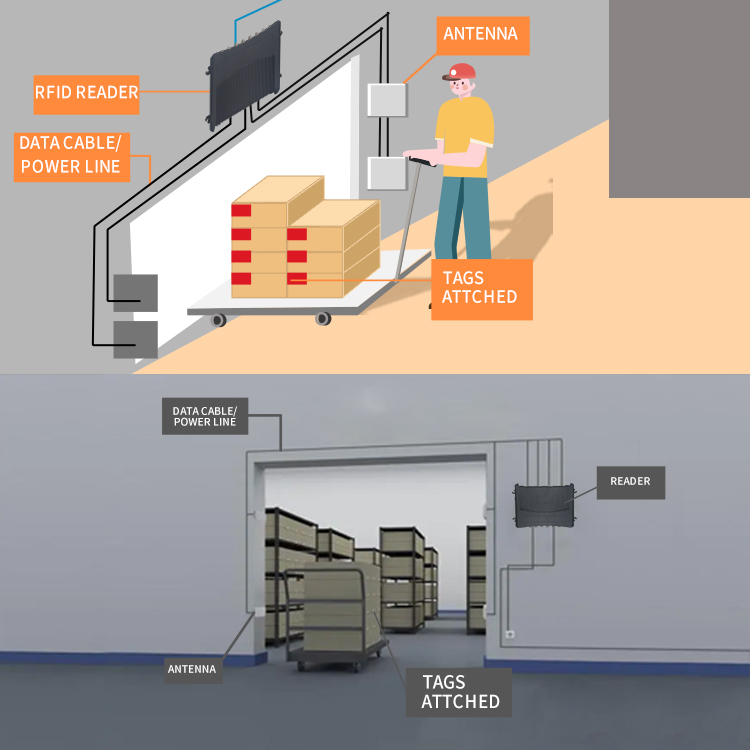
By providing real-time identification, RFID high temperature tags help businesses monitor assets throughout manufacturing, transportation, storage, and maintenance processes.
Increased Operational Efficiency
Automated RFID data capture eliminates manual scanning and data entry, reducing labor costs and improving accuracy.
Common Applications of RFID High Temperature Tags
Automotive Manufacturing
Automotive components often pass through paint curing ovens and heat treatment processes. RFID high temperature tags remain readable throughout production, allowing manufacturers to track parts from assembly to final inspection.
Aerospace Industry
Aircraft components frequently experience extreme manufacturing and maintenance conditions. RFID high temperature tags help ensure traceability, quality control, and compliance documentation.
Metal Processing
Steel mills, foundries, and metal fabrication facilities require identification systems capable of surviving intense heat. RFID high temperature tags can remain attached to containers, racks, and tools throughout the production cycle.
Industrial Laundry Management
Industrial textile processing involves repeated exposure to high temperatures and harsh cleaning chemicals. Heat-resistant RFID tags allow efficient tracking of uniforms, linens, and reusable garments.
Tool and Equipment Tracking
Factories often use specialized tools that undergo sterilization, cleaning, or heat treatment. RFID high temperature tags simplify inventory management and maintenance scheduling.
Materials Used in RFID High Temperature Tags
The performance of RFID high temperature tags largely depends on the materials used in their construction.
PPS (Polyphenylene Sulfide)
PPS is one of the most common materials used in RFID high temperature tags due to its:
- Excellent thermal stability
- Chemical resistance
- Mechanical strength
- Cost-effectiveness
Ceramic
Ceramic RFID tags provide outstanding heat resistance and are suitable for extremely demanding industrial applications.
High-Temperature Engineering Plastics
Advanced polymers are often used when flexibility, lightweight design, and thermal performance are required simultaneously.
Metal-Mount Designs
Many RFID high temperature tags are specifically engineered for installation on metal assets without sacrificing read performance.
Key Factors to Consider When Selecting RFID High Temperature Tags
Choosing the right RFID high temperature tag requires evaluating several important factors.
Maximum Operating Temperature
Determine the highest temperature the tag will encounter during normal operations and select a tag with sufficient safety margin.
Exposure Duration
Short-term peak temperatures and continuous operating temperatures are different specifications. Always review both ratings.
Mounting Surface
Metal surfaces can affect RFID performance. Select tags specifically designed for metal mounting when necessary.
Read Range Requirements
Different RFID high temperature tags offer varying read distances depending on antenna design, installation method, and operating frequency.
Environmental Conditions
Consider additional factors such as:
- Chemicals
- Moisture
- Dust
- Pressure
- Mechanical stress
How RFID High Temperature Tags Improve Industrial Traceability
Modern manufacturing increasingly relies on data-driven decision-making. RFID high temperature tags enable complete visibility across production processes by creating a digital identity for each asset.
With accurate tracking data, organizations can:
- Reduce asset loss
- Improve inventory accuracy
- Optimize maintenance schedules
- Enhance quality control
- Support regulatory compliance
- Increase production efficiency
The result is a more transparent and efficient operation with fewer errors and lower operational costs.
Future Trends in RFID High Temperature Tags
As industrial automation continues to expand, demand for RFID high temperature tags is growing rapidly. Emerging trends include:
- Higher heat resistance capabilities
- Smaller and more compact tag designs
- Enhanced memory capacity
- Improved metal-surface performance
- Integration with Industrial IoT systems
- Advanced analytics and predictive maintenance applications
These innovations will further strengthen the role of RFID technology in smart manufacturing environments.
RFID high temperature tags have become a critical component in industries where traditional identification methods cannot survive extreme heat. Their ability to maintain reliable performance under challenging conditions makes them an ideal solution for asset tracking, inventory management, and production traceability.
Whether used in automotive manufacturing, aerospace production, metal processing, or industrial laundry operations, RFID high temperature tags help businesses improve efficiency, reduce errors, and gain greater visibility into their operations. As industrial automation continues to evolve, these durable RFID solutions will remain an essential tool for modern asset management.