


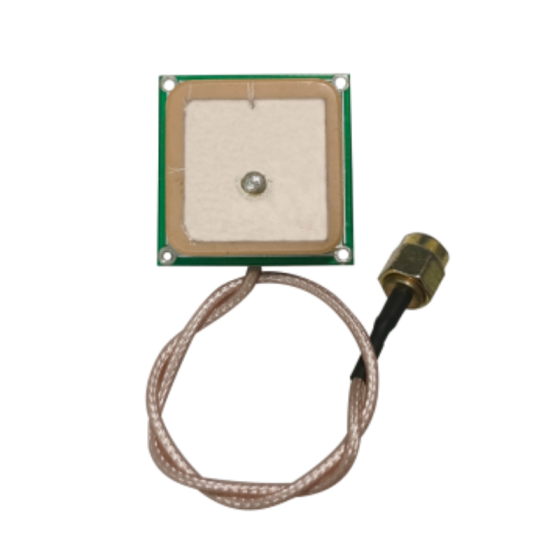
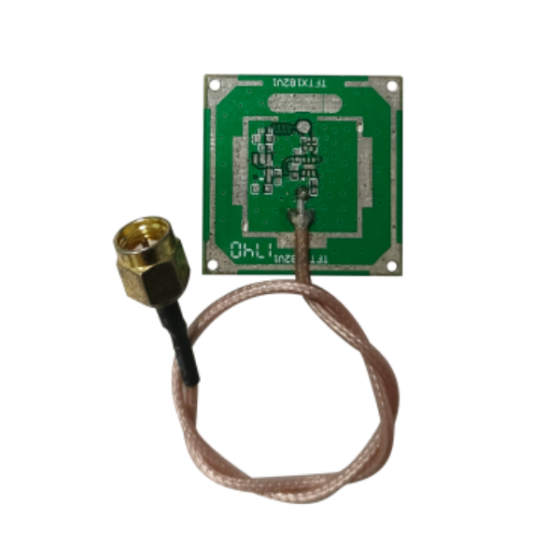
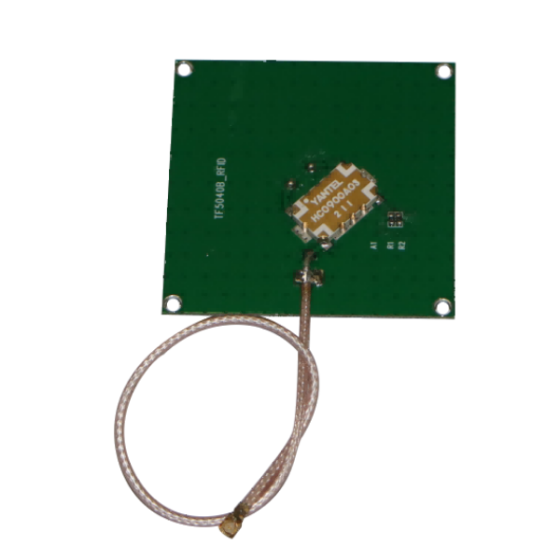
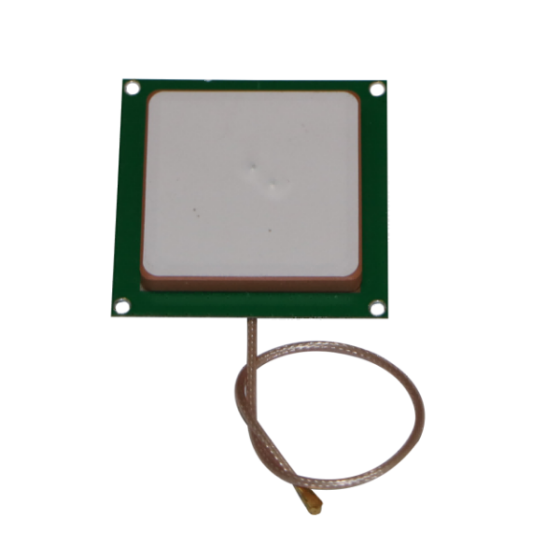
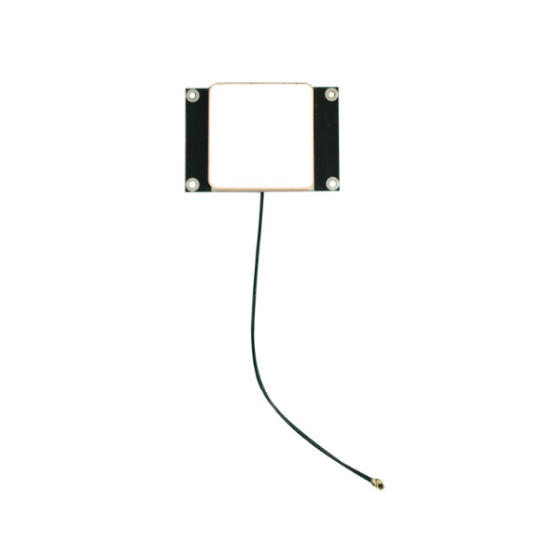
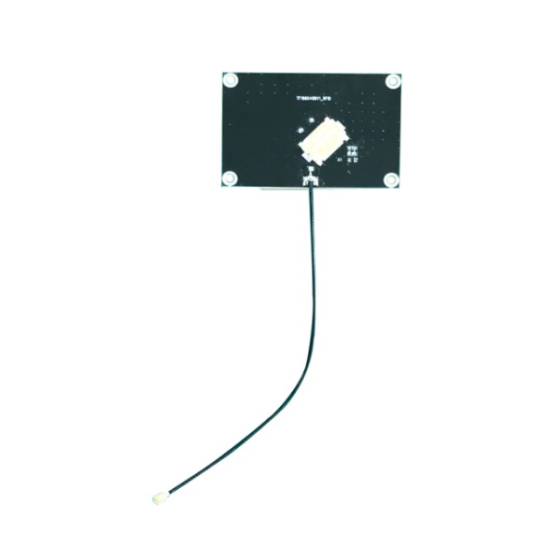


RFID book tags
Managing books in libraries, bookstores, and schools has never been more efficient, thanks to RFID book tags. These small, smart labels are transforming how institutions track, protect, and manage large collections, providing speed, accuracy, and convenience that traditional barcodes simply can’t match.
What Are RFID Book Tags?
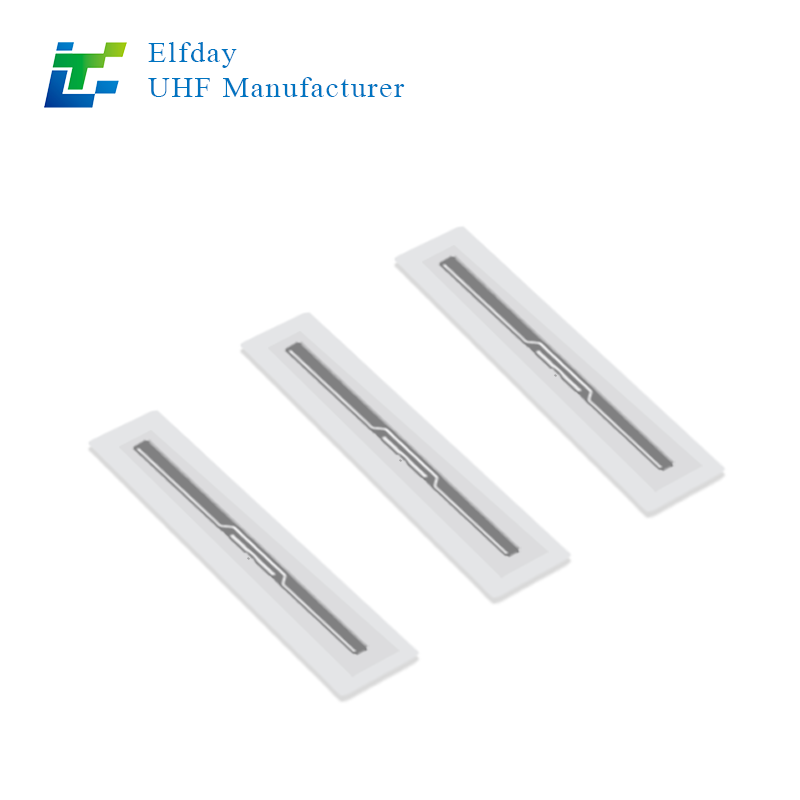
RFID book tags are tiny electronic labels embedded with radio-frequency identification technology. Each tag stores a unique identifier that can be read wirelessly by an RFID reader. Unlike barcodes, RFID book tags don’t require a direct line-of-sight scan. Multiple books can be read at once, making inventory management faster and more accurate than ever.
Why Choose RFID Book Tags?
RFID book tags bring a range of advantages for libraries, bookstores, and educational institutions:
- Faster Check-Out and Check-In: Borrowing and returning books becomes a quick, seamless process, reducing wait times for users.
- Efficient Inventory Management: Staff can scan entire shelves in seconds, dramatically simplifying stocktaking.
- Enhanced Security: RFID book tags work with security gates to prevent unauthorized removal, protecting valuable collections.
- Improved User Experience: Self-service stations, faster searches, and automated tracking create a modern and enjoyable environment for readers.
Applications of RFID Book Tags
RFID book tags are versatile and suitable for many environments:
- Libraries: Streamline circulation and reduce manual handling.
- Bookstores: Maintain accurate stock and protect inventory from theft.
- Schools and Universities: Track textbooks and learning resources efficiently.
- Archives and Document Centers: Safeguard historical records and critical files.
Features to Look for in RFID Book Tags
When selecting RFID book tags, quality matters. Look for tags that offer:
- Reliable reading accuracy
- Strong adhesive for long-term use
- Thin, flexible design suitable for all book types
- Long-lasting data retention
- Compatibility with major RFID systems
High-quality RFID book tags ensure smooth operation and long-term benefits for any organization.
How RFID Book Tags Improve Efficiency
Traditional barcodes require books to be scanned one by one, which is time-consuming. RFID book tags allow bulk scanning, saving hours of labor each week. Staff can focus more on helping users rather than handling repetitive tasks, while inventory errors are minimized.
The Future of Book Management
RFID technology is shaping the future of libraries, bookstores, and educational institutions. RFID book tags make collections smarter, circulation faster, and operations more efficient. As institutions adopt these solutions, managing books becomes easier, safer, and more enjoyable for everyone involved.
RFID book tags are a powerful tool for modern book management. They simplify check-in and check-out, streamline inventory, enhance security, and improve the overall user experience. Any organization looking to modernize their library or bookstore operations will find RFID book tags an invaluable investment.