



RFID Asset Tags
In the modern business world, efficiency and accuracy are everything. Companies cannot afford lost equipment, misplaced tools, or inaccurate inventory records. This is where RFID asset tags make a real difference, offering a smart, reliable way to track and manage assets of all types.
Understanding RFID Asset Tags
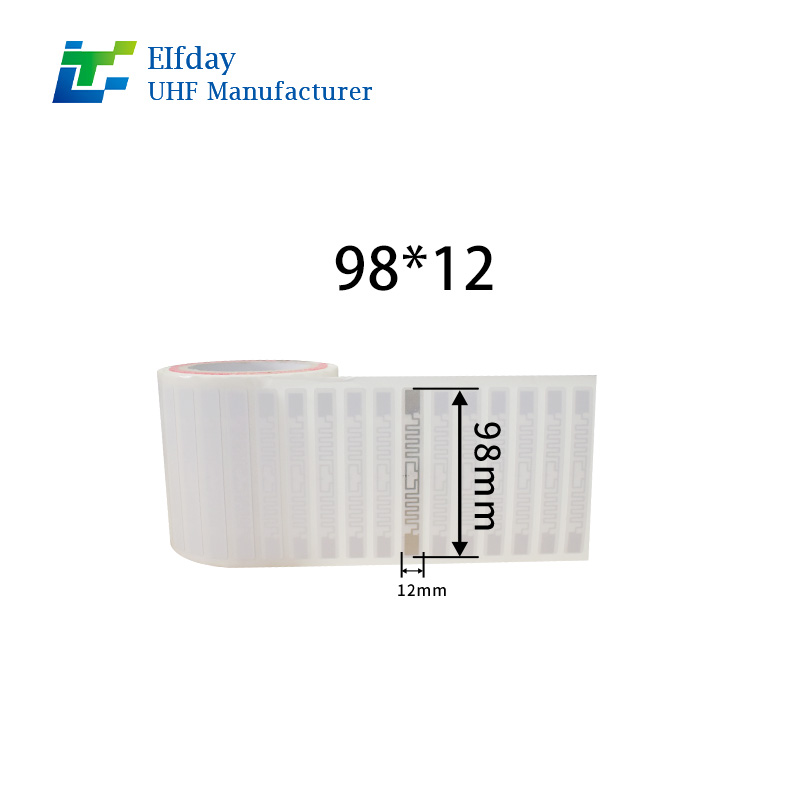
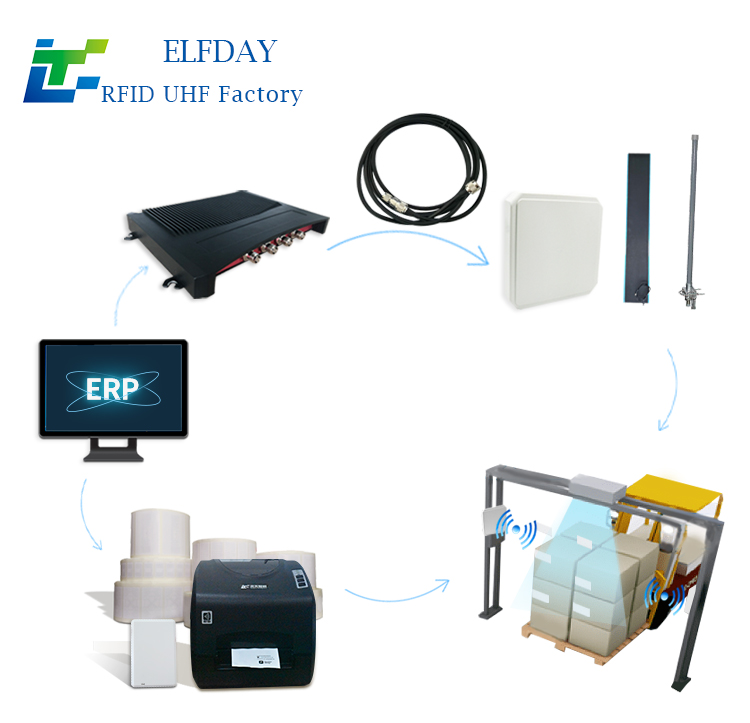
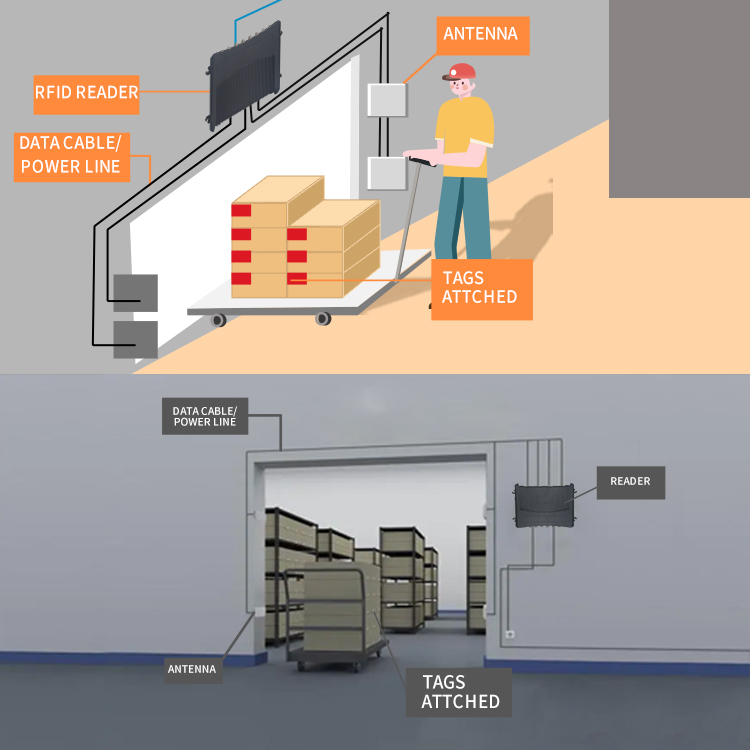
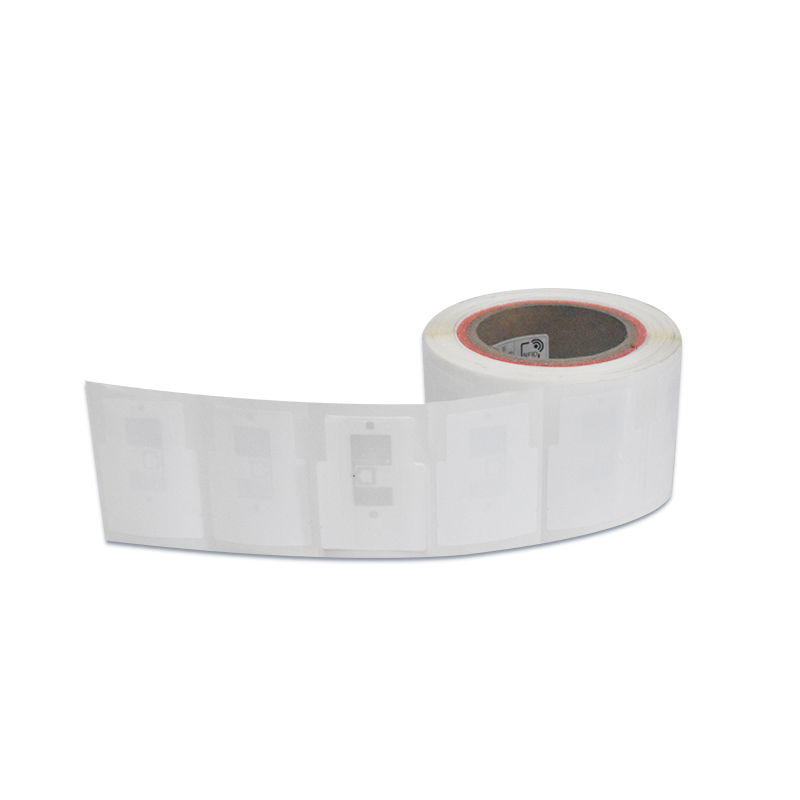
RFID asset tags are electronic labels that contain a small microchip and antenna. When scanned by an RFID reader, these tags transmit unique data about the asset, such as its ID, location, or status. Unlike barcodes, RFID does not require line-of-sight scanning, which makes it ideal for high-volume or fast-moving operations.
Whether attached to office furniture, IT equipment, machinery, or warehouse stock, RFID asset tags turn ordinary assets into intelligent, trackable resources.
Benefits of Using RFID Asset Tags
1. Save Time and Reduce Errors
Manual tracking is slow and prone to mistakes. RFID asset tags allow multiple items to be scanned simultaneously, eliminating the need for individual checks. This speeds up audits, inventory counts, and daily tracking.
2. Gain Full Visibility
Knowing where every asset is at all times is critical. RFID asset tags provide real-time visibility, helping businesses prevent losses, recover misplaced items, and maintain accurate records effortlessly.
3. Increase Security and Accountability
Tracking assets digitally creates a detailed log of movements. Organizations can quickly see who accessed which asset and when, reducing theft risks and enhancing overall accountability.
4. Boost Productivity
With less time spent searching for equipment or reconciling inventory, employees can focus on higher-value tasks. RFID asset tags streamline operations, freeing teams to focus on productivity and growth.
Types of RFID Asset Tags
Not all RFID tags are the same. Businesses should choose based on asset type, environment, and tracking needs:
- Passive RFID Tags: No battery required, ideal for standard asset management and inventory control.
- Active RFID Tags: Equipped with a battery for longer reading distances and real-time monitoring.
- On-Metal RFID Tags: Specially designed to maintain performance when attached to metal surfaces.
- Industrial RFID Tags: Rugged and durable for extreme conditions, such as warehouses or outdoor environments.
Applications Across Industries
RFID asset tags are valuable in multiple sectors:
- Healthcare: Track medical devices, trolleys, and surgical instruments to improve efficiency and patient care.
- Manufacturing: Monitor machinery, production tools, and inventory to prevent downtime.
- Warehousing: Streamline inventory control and ensure fast, accurate shipping.
- Corporate IT: Keep tabs on computers, servers, and office equipment to simplify audits and reduce loss.
Choosing the Right RFID Asset Tags
When selecting RFID asset tags, consider:
- Durability: Will the tag withstand heat, moisture, or chemicals?
- Surface Compatibility: Metal and glass may require special tag types.
- Read Range: Match the tag’s capabilities to your scanning needs.
- Size and Installation: Ensure the tag fits your asset and can be securely attached.
RFID asset tags are transforming how businesses track and manage assets. From saving time and reducing errors to improving security and operational efficiency, these smart tags make asset management easier and more reliable than ever.
By investing in the right RFID asset tags today, organizations can streamline workflows, gain full visibility over valuable resources, and strengthen their overall operational performance.