



The Science Behind Passive RFID Tags
In a world where efficiency and accuracy define business success, Passive RFID tags have emerged as a vital technology for tracking and managing assets. While they may appear simple, the science behind these small devices is sophisticated, enabling companies to optimize operations across industries from retail to logistics.
Understanding Passive RFID Tags
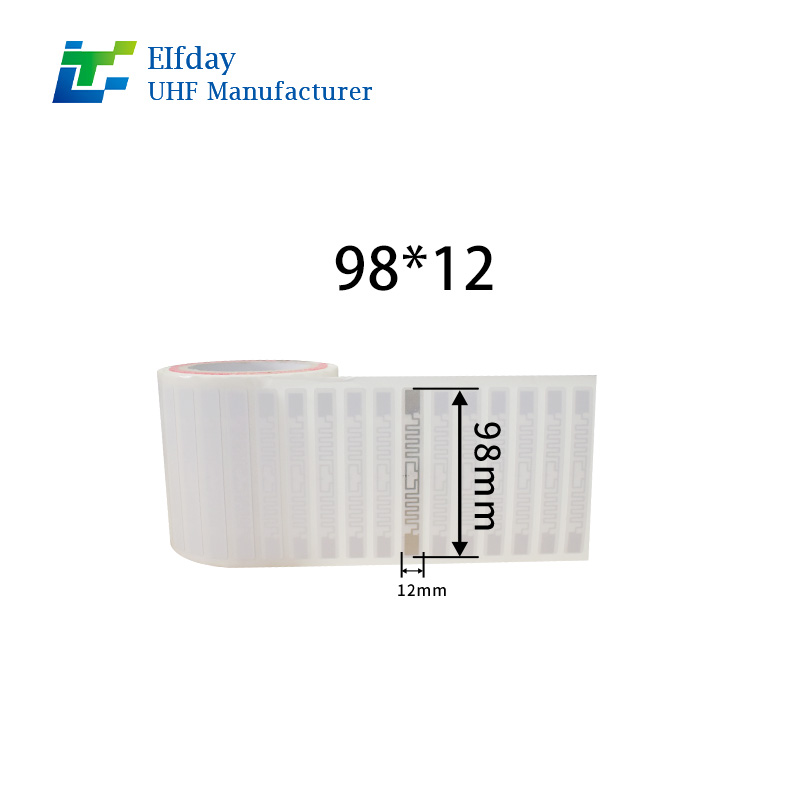
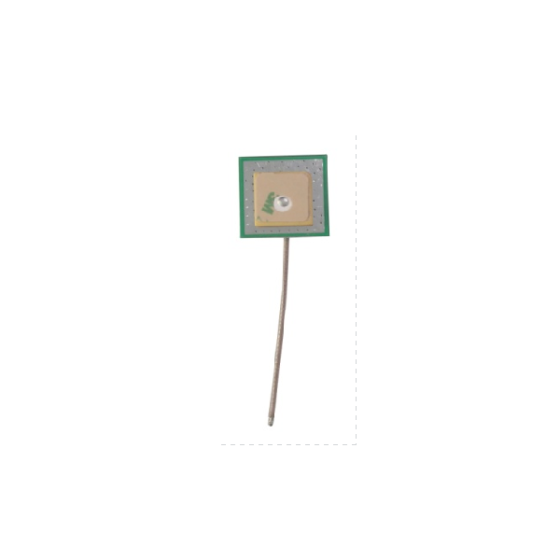
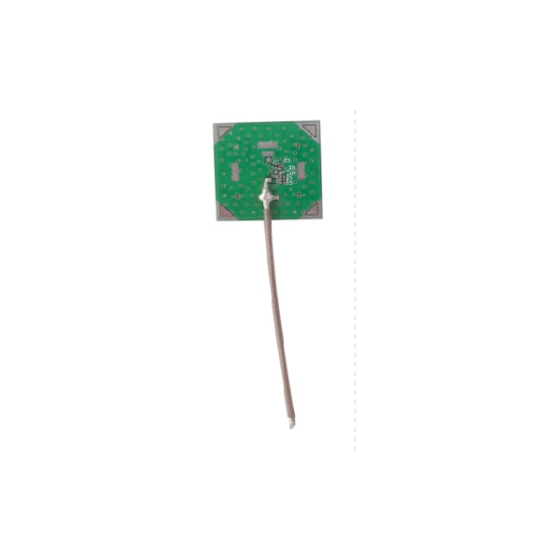
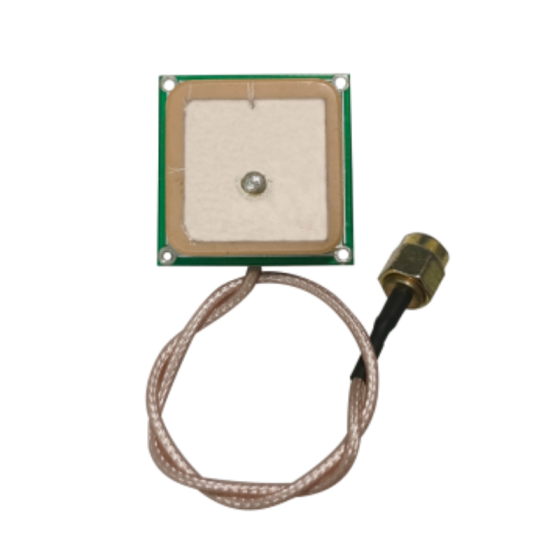
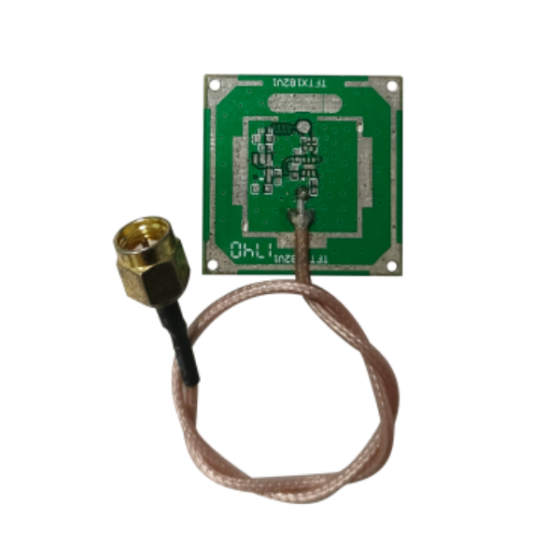
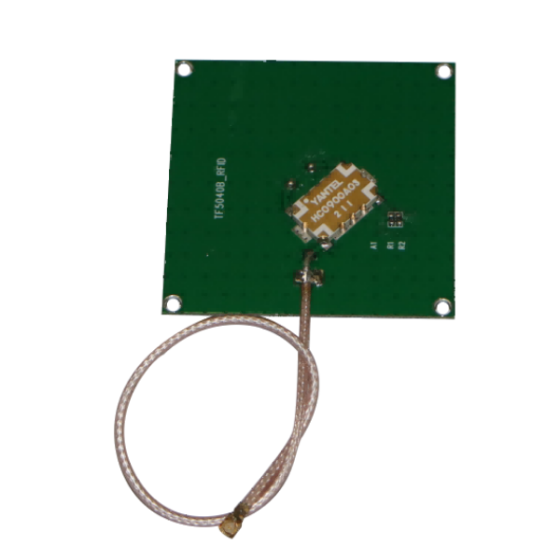
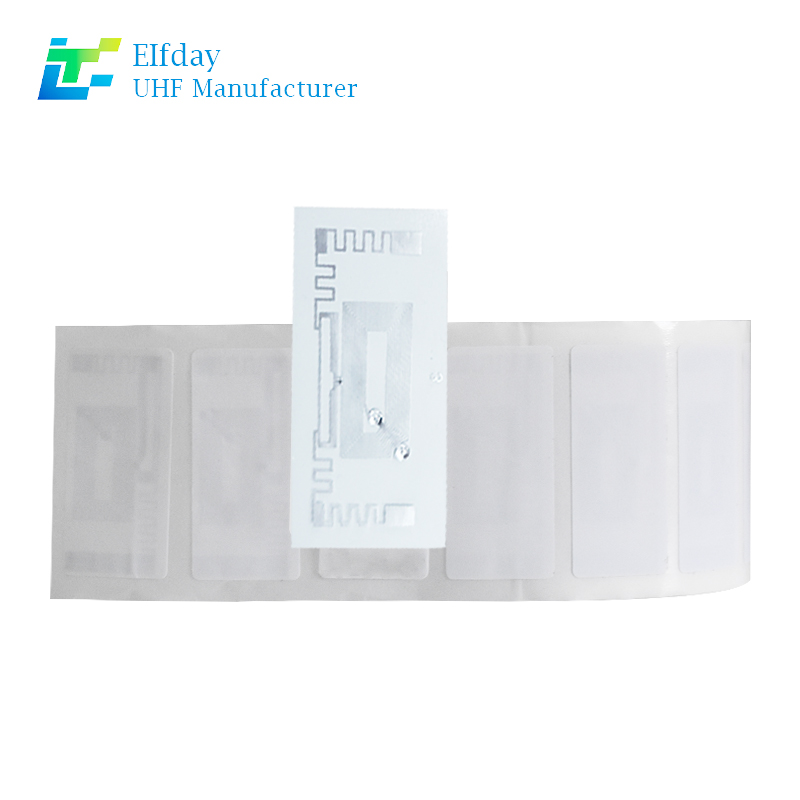
At its core, a Passive RFID tag is a compact device consisting of a microchip and an antenna. Unlike active RFID tags, passive tags do not have an internal power source. Instead, they draw energy from the electromagnetic field generated by an RFID reader. This clever design allows the tags to be lightweight, durable, and cost-effective, making them ideal for large-scale deployment in asset tracking, inventory management, and security systems.
How Passive RFID Tags Work
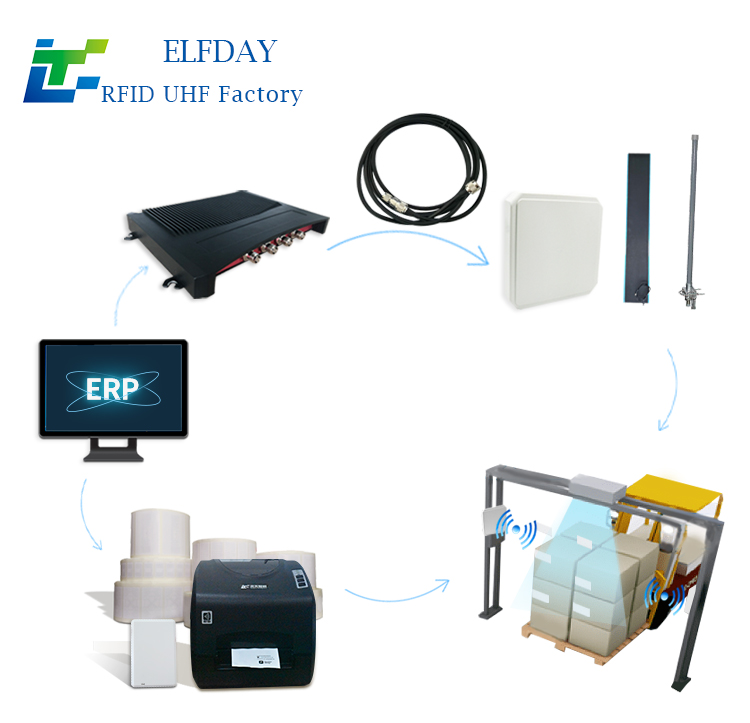
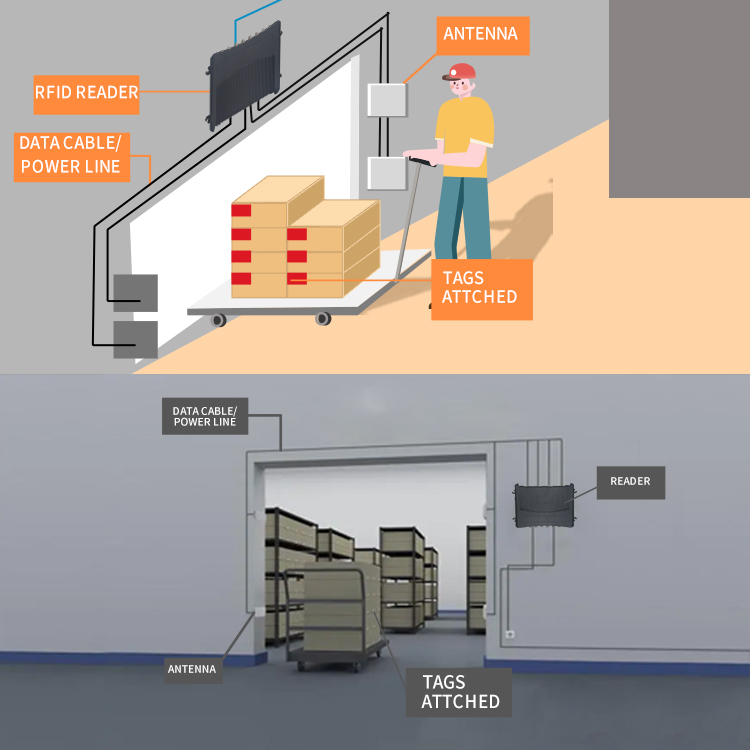
The operation of passive RFID tags is based on the principles of electromagnetic induction. When an RFID reader emits a radio frequency signal, the tag’s antenna captures this energy and powers the microchip. The chip then encodes information stored within it—such as a unique identifier or product details—and transmits it back to the reader. This interaction happens in milliseconds, enabling near-instant identification of items without the need for line-of-sight scanning.
This scientific mechanism allows passive RFID tags to outperform traditional tracking methods like barcodes. While barcodes require manual scanning and visibility, passive RFID tags can be read through packaging, walls, and even multiple items simultaneously, greatly enhancing operational speed and accuracy.
Key Advantages Rooted in Science
The scientific principles behind passive RFID tags translate into several practical benefits:
Energy Efficiency: Since the tags do not rely on internal batteries, they consume no power when idle, which extends their operational lifespan indefinitely.
Reliability in Harsh Environments: The simplicity of passive RFID tags’ design makes them resistant to heat, moisture, and physical stress, ensuring consistent performance.
Bulk Reading Capability: Electromagnetic induction allows multiple tags to be read simultaneously, making inventory processes faster and more accurate.
Enhanced Data Accuracy: Automated reading minimizes human errors, providing businesses with precise real-time information about their assets.
Applications Across Industries
The science behind passive RFID tags enables their use in a wide range of industries:
Retail: Track merchandise, prevent theft, and improve stock visibility.
Logistics: Monitor shipments, optimize routes, and ensure timely deliveries.
Healthcare: Track medical equipment, pharmaceuticals, and patient information efficiently.
Manufacturing: Manage tools, monitor production lines, and reduce losses.
By implementing passive RFID tags, businesses gain the ability to make data-driven decisions quickly and reliably, boosting productivity and customer satisfaction.
Choosing the Right Passive RFID Tag
While the science is the same, not all passive RFID tags are created equal. Factors such as read range, frequency, and material compatibility can influence performance. For instance, tags designed for metal surfaces or extreme temperatures ensure reliable operation in challenging environments. Consulting experts and choosing the right tag type can maximize efficiency and minimize operational disruptions.
Driving Business Value with Passive RFID Tags
The science behind passive RFID tags is not just fascinating—it has tangible benefits for businesses. By leveraging these tags, companies can streamline workflows, reduce errors, and enhance asset visibility. Improved efficiency and accuracy lead to faster decision-making and increased confidence in operational management, ultimately creating a competitive edge.
Passive RFID tags are more than just technological tools—they are the result of precise scientific design aimed at solving real-world business challenges. From their energy-harvesting capabilities to their resistance to harsh conditions, these tags offer a powerful, reliable solution for asset tracking and inventory management. Understanding the science behind passive RFID tags not only highlights their innovation but also demonstrates why businesses should adopt this technology to stay efficient, accurate, and ahead of the competition.
Embrace the science behind passive RFID tags and discover how this technology can transform your business operations today.