



Why Every Smart Farm Needs RFID Tags for Real-Time Data?
Farming has changed more in the last five years than in the previous fifty.
What used to rely on instinct and memory now runs on data. But data alone is not the real win. Timely data is.
You can collect all the numbers you want about feed intake, animal movement, or equipment location. If you only see that information at the end of the day — or worse, the end of the week — you are already behind.
That is exactly where RFID tags for smart farming shift the game.
They don’t just track things. They deliver real-time visibility into your farm’s daily heartbeat. And if you are running a modern operation without them, you are leaving efficiency, animal health, and peace of mind on the table.
Real-Time Data Changes How You React
Let’s picture a common morning on a livestock farm.
A cow is acting off. Eating less. Standing alone. No visible injury.
Without real‑time tracking, you might notice the problem during the evening check. By then, the animal could be dehydrated or showing advanced symptoms.
With RFID tags for smart farming feeding data continuously into your system, that same cow triggers an alert the moment her feeding frequency drops. You intervene hours earlier. Treatment costs drop. Recovery speeds up.
That is not a hypothetical. Farmers using real‑time RFID catch health issues up to two days earlier compared to visual checks alone.
Early detection alone pays for the system many times over — without counting all the other benefits.
Beyond Animals: Equipment and Inventory Management
Most people think smart farming stops at livestock. It doesn’t.
A smart farm is full of moving parts. Tractors. Sprayers. Water pumps. Harvest bins. Even spare parts in the workshop.
How much time does your team spend looking for something?
Walk any medium‑sized farm and you will hear the same phrase: “I just had it yesterday.”
RFID tags for smart farming attached to equipment give you live location data. Open a map on your tablet. See exactly which shed or field corner holds that pressure washer. No walking. No guessing.
For consumables like seed bags or treatment bottles, tagged items automatically log when they leave storage. You know in real time what is running low. Reordering becomes proactive, not reactive.
That alone cuts downtime during critical seasons like planting or harvest.
Reducing Waste Through Smarter Feeding
Feed is the single biggest variable cost on most farms. And waste happens silently.
Animals sort through mix. Feed spoils at the far end of a bunk. Uneaten portions get pushed out or rot.
Real‑time RFID changes that equation.
When each animal carries or interacts with RFID tags for smart farming, your system knows exactly who ate, how much, and for how long. If a group consistently leaves residue, you adjust ration or delivery time — immediately, not next month.
Some smart farms have cut feed waste by well over 20% within the first two feeding cycles after installing real‑time RFID.
Think what that means over a full year across hundreds of animals.
Not just cost savings. Less environmental load from over‑produced or wasted feed. That matters more every season.
Labor Efficiency: Stop Chasing Data, Start Acting On It
Here is a hard truth nobody likes to say out loud.
A lot of farm labor is not skilled work. It is walking and looking.
Check water. Check fence. Count animals. Find the sick one. Record weights. Write down treatments.
None of those activities are bad. But many of them do not need a human to walk miles every day.
RFID tags for smart farming automate the counting and the monitoring. Gates equipped with RFID readers log animal movements automatically. Weighing stations capture data without crowding or stress.
Your team stops being data collectors and becomes problem solvers.
That shift changes morale. It also changes your ability to scale. One person can oversee three times as many animals when the data flows to their device, not from their notebook.
Traceability Without Paperwork
Markets are demanding more traceability. Consumers want to know where their food came from, how it was raised, and what treatments it received.
Filling that request with paper records is painful. And error‑prone.
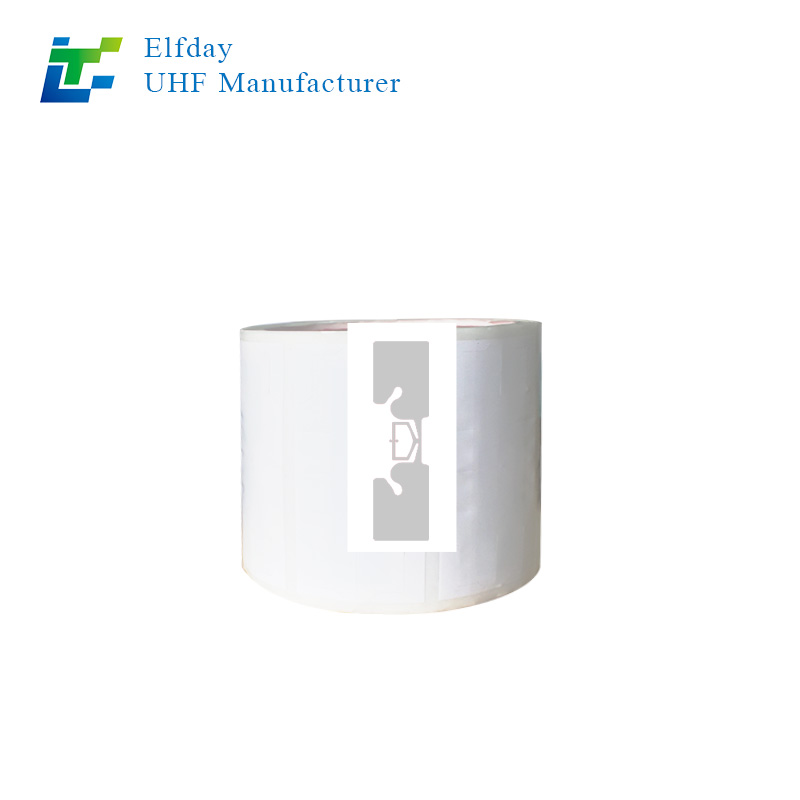
RFID tags for smart farming keep a digital, time‑stamped history for every tagged animal or batch. Birth date. Vaccinations. Movement between pastures. Weight gains. Health events.
When a buyer asks for verification, you export a clean report in seconds.
No hunting through binders. No guessing which calf is which.
That speed builds trust. And trusted suppliers get repeat business and better terms.
What About Harsh Farm Conditions?
A fair question comes up every time: “Will the tags survive?”
The farm environment is brutal. Dust. Mud. Freezing nights. Scorching sun. Chemical dips. Constant rubbing and bumping.
Good RFID tags for smart farming are built for exactly that. UHF tags with IP68 or IP69K ratings survive pressure washing and temporary submersion. Hard shell casing handles animal bites and gate impacts.
Low‑frequency (LF) tags excel in wet or metal‑heavy environments. High‑frequency (HF) tags work well for short‑range, high‑accuracy reads like feeding stations.
The technology has matured. A tag that fails in six months is not a smart farming tag — it is a cheap imitation.
Choose encapsulation over film labels. Choose tested operating temperature ranges that match your climate. Read range is secondary if the tag physically breaks.
Most farmers discover that good tags outlast the equipment they attach to.
Integrating With What You Already Use
Another fear: “Will I have to rip out my current system?”
No.
The real value of RFID tags for smart farming is that they work alongside most modern farm management software. APIs, CSV exports, and Bluetooth or wifi gateways push tag reads into your existing platform.
You do not need a full “smart farm” package from one vendor.
Start with one area. Livestock. Or tool tracking. Or feeding. Prove the value in thirty days. Then expand.
That low‑risk start is why adoption has exploded even among cautious farmers.
Making the Shift Without Disrupting Daily Work
The best time to install RFID tags for smart farming is during a natural low‑activity period. Between calving seasons. Before spring planting. After harvest.
Tag animals during routine handling like vaccinations. Attach tags to equipment while doing regular maintenance checks.
Spread the work over a week. No crash effort. No burnout.
Within a few days, your real‑time dashboard starts populating. You will see patterns you never noticed before. That gate that stays open too long. That water trough that gets skipped by one group. That tractor that sits idle for four hours every morning.
Each observation becomes an action item. Each action saves time or money.
One Warning: Don’t Buy By Price Alone
The lowest cost RFID tags for smart farming usually fail the real‑time test.
Cheap tags have shorter read ranges. They drop off in rain or humidity. They lose memory after repeated writes.
Invest in tags from suppliers who publish real‑world performance data — not just lab numbers. Ask for samples. Test them in your worst conditions. A tag that works in a dry warehouse is not the same as a tag that works in a January barn.
Reliable tags cost more up front. But unreliability costs more every single day.
A Final Look at the Big Picture
Real‑time data does not just optimize your farm. It changes how you sleep.
No more wondering if a gate was left open. No more second‑guessing whether a treatment was recorded. No more surprise shortages before a long weekend.
RFID tags for smart farming turn your farm into a predictable, responsive system. You stop reacting to problems. You start preventing them.
And you do it while spending less time walking and more time making good decisions.
That is not a luxury anymore. On a modern, competitive farm, that is the baseline.
Whether you raise cattle, sheep, poultry, or run a mixed operation, the question is no longer if you should use real‑time RFID. The question is how soon you can start.
The data is waiting. Your smart farm can start seeing it today.