



RFID Book Tags for Smarter Library and Book Management
RFID Book Tags: The Smart Solution for Modern Library and Book Management
Managing thousands of books efficiently has always been a challenge for libraries, schools, bookstores, and archives. Traditional barcode systems require manual scanning, consume valuable staff time, and often lead to inventory errors.
RFID book tags provide a faster, smarter, and more reliable way to identify, track, and manage books throughout their entire lifecycle. By enabling contactless identification, RFID technology helps organizations improve operational efficiency while enhancing the user experience.
Whether you're upgrading an existing library system or planning a new RFID deployment, understanding how RFID book tags work can help you make the right investment.
What Are RFID Book Tags?
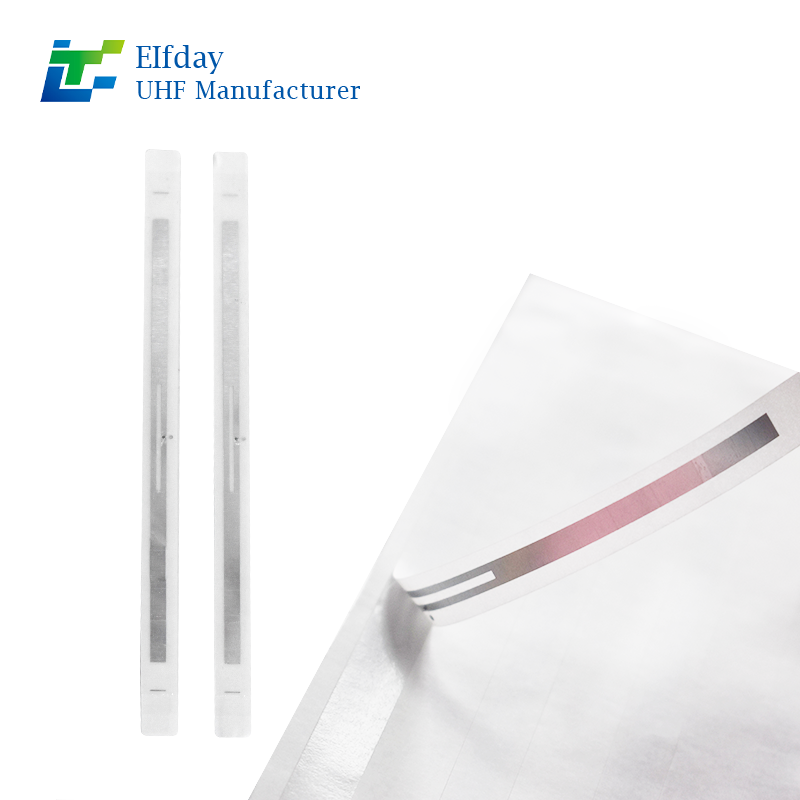
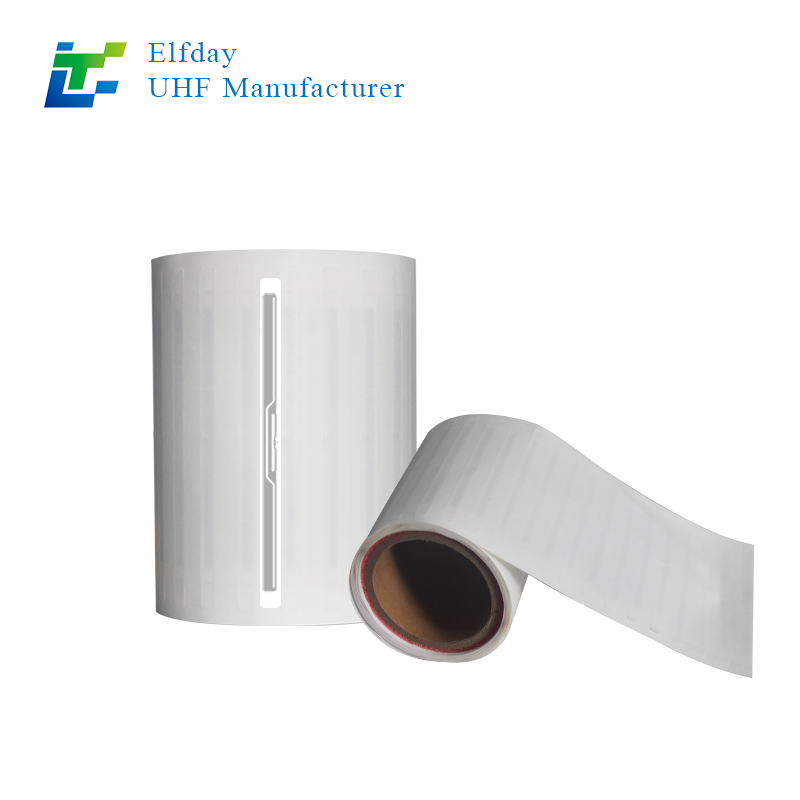
RFID book tags are thin electronic labels embedded with an RFID chip and antenna. They are typically placed inside the front or back cover of a book where they remain protected and virtually invisible.
Unlike traditional barcodes, RFID tags can be read without direct line-of-sight. Multiple books can be identified simultaneously, making everyday library operations significantly faster.
Each RFID book tag stores a unique identification number that links to the library management database, allowing staff to instantly access detailed information about every item.
How RFID Book Tags Work
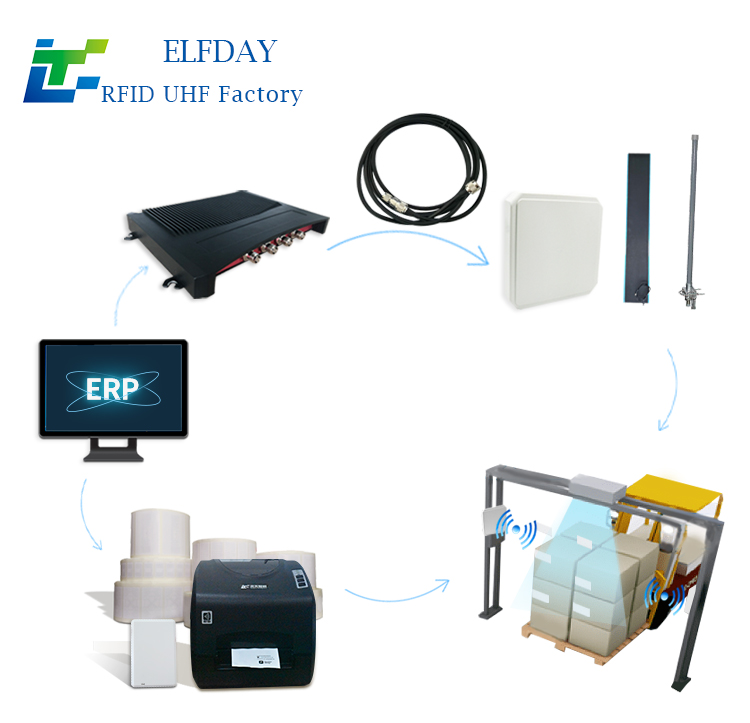
A complete RFID library system includes several components:
- RFID book tags attached to books
- RFID readers
- Self-service checkout kiosks
- Security gates
- Library management software
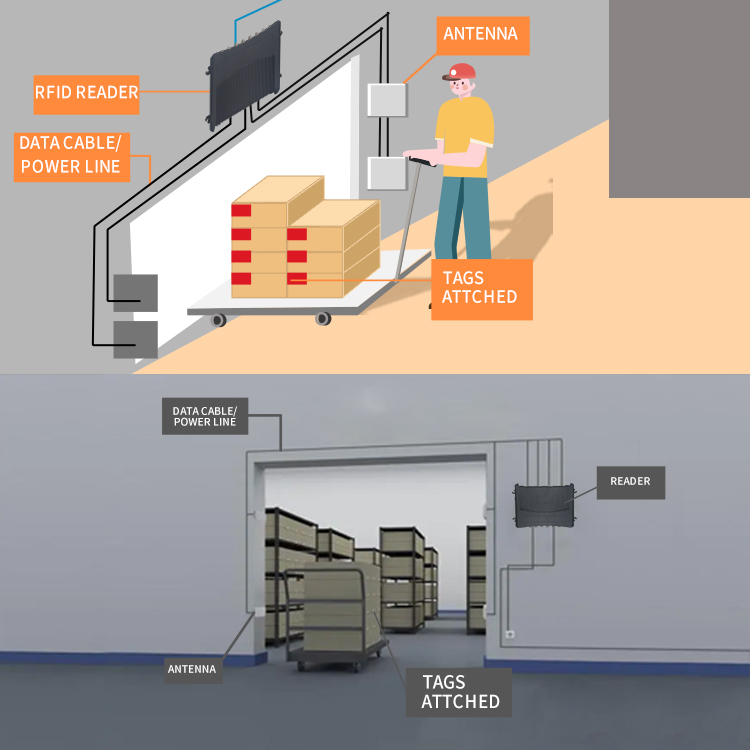
When a tagged book passes within range of an RFID reader, the reader captures the tag's information using radio frequency communication. The system immediately updates borrowing status, inventory records, or security information.
This automated process reduces manual work while improving data accuracy.
Benefits of RFID Book Tags
Faster Book Checkout
RFID technology allows several books to be scanned at once. Patrons can borrow or return multiple books in just a few seconds, reducing waiting times and improving customer satisfaction.
Simplified Inventory Management
Staff no longer need to remove books from shelves for individual barcode scanning. Portable RFID readers quickly identify books while walking through library aisles.
Inventory that once required several days can often be completed within hours.
Improved Book Security
RFID book tags work together with security gate systems to help prevent unauthorized removal of library materials.
Unlike older electromagnetic security strips, RFID combines identification and security into one compact tag.
Higher Accuracy
Automatic identification reduces human errors during circulation, shelving, and inventory management.
Libraries maintain more accurate catalog records and spend less time searching for misplaced books.
Reduced Operating Costs
Although RFID systems require an initial investment, many organizations recover costs through:
- Reduced labor
- Faster circulation
- Lower inventory expenses
- Fewer lost books
- Improved operational efficiency
Common Applications of RFID Book Tags
RFID book tags are widely used across many environments, including:
- Public libraries
- University libraries
- School libraries
- Digital learning centers
- Government archives
- Museums
- Bookstores
- Research institutions
As collections continue to grow, RFID technology helps organizations manage millions of books more efficiently.
Types of RFID Book Tags
Different applications require different tag designs.
HF RFID Book Tags
High Frequency (13.56 MHz) tags are the industry standard for library applications.
Advantages include:
- Excellent reading stability
- International library compatibility
- Strong anti-interference performance
- Reliable short-range reading
Flexible RFID Labels
Flexible adhesive labels are thin enough to fit inside book covers without affecting appearance.
They are durable, lightweight, and designed for years of daily use.
Printable RFID Book Tags
Some RFID book tags support customized printing, allowing libraries to include:
- Logos
- Barcodes
- Serial numbers
- Asset numbers
- Classification labels
Key Features to Consider
When selecting RFID book tags, buyers should evaluate:
Reading Performance
Reliable read accuracy ensures smooth circulation and inventory operations.
Memory Capacity
Choose tags with sufficient memory for your library management requirements.
Durability
High-quality RFID book tags resist moisture, heat, pressure, and years of handling.
Security Support
Many RFID book tags include security functions that integrate with electronic article surveillance (EAS) systems.
International Standards
Look for tags compatible with common RFID library standards to ensure future scalability.
RFID Book Tags vs Barcode Labels
| Feature | RFID Book Tags | Barcode Labels |
|---|---|---|
| Contactless Reading | Yes | No |
| Multiple Item Reading | Yes | No |
| Line-of-Sight Required | No | Yes |
| Inventory Speed | Very Fast | Slow |
| Security Integration | Yes | Limited |
| Automation Support | Excellent | Basic |
While barcode systems remain common, RFID book tags offer significant advantages for organizations seeking greater efficiency and automation.
Future Trends in RFID Book Tags
Libraries around the world continue adopting RFID technology as part of broader digital transformation initiatives.
Emerging developments include:
- AI-assisted library management
- Cloud-based RFID platforms
- Real-time asset tracking
- Smart shelving systems
- Mobile inventory devices
- Automated sorting solutions
As RFID hardware becomes more affordable, even small and medium-sized libraries are embracing RFID book tags to improve service quality and operational efficiency.
RFID book tags have transformed the way libraries and educational institutions manage their collections. From faster checkouts and accurate inventory to enhanced security and lower operating costs, RFID technology delivers measurable benefits for both staff and patrons.
Choosing the right RFID book tags means investing in a solution that improves efficiency today while supporting future growth. As library automation continues to evolve, RFID remains one of the most practical and reliable technologies for modern book management.