



How to Choose the Right NFC RFID Tag for Your Project
Choosing the right NFC RFID tag for your project is a critical step that directly affects performance, accuracy, and long-term efficiency. With many different types of tags available, selecting the wrong one can lead to poor read rates, system errors, or unnecessary costs.
This guide will help you understand the key factors to consider so you can choose the right NFC RFID tag for your specific application.
1. Define Your Use Case First
Before selecting any NFC RFID tag, clearly define what you need it for.
Common use cases include:
- Inventory tracking
- Asset management
- Supply chain logistics
- Product authentication
- Access control systems
Each use case requires different performance levels, read range, and durability.
2. Choose Between NFC and RFID
Understanding the difference is essential:
- NFC tags: short-range (typically a few centimeters), ideal for mobile interaction and user engagement
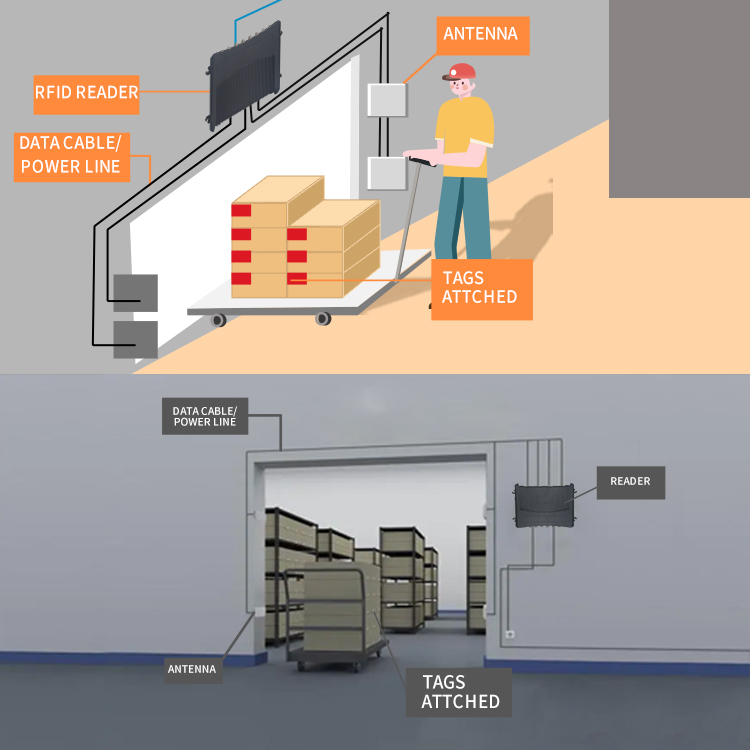
- RFID tags: longer range, ideal for bulk scanning and industrial tracking
If your project involves smartphones or user interaction → choose NFC
If your project involves logistics or warehouse automation → choose RFID
3. Consider Read Range Requirements
Different systems require different scanning distances:
- Short range (0–10 cm): NFC applications
- Medium range (1–3 meters): standard RFID
- Long range (5–10+ meters): UHF RFID systems
The larger your operation scale, the more important read range becomes.
4. Evaluate the Environment
Environmental conditions heavily impact tag performance.
Ask yourself:
- Will the tag be exposed to water or moisture?
- Will it be used outdoors?
- Will it be attached to metal surfaces?
- Will it face heat, chemicals, or dust?
For harsh environments, choose:
- Waterproof tags
- Heat-resistant materials
- Anti-metal RFID tags
5. Check Memory Capacity Needs
Not all NFC RFID tags store the same amount of data.
- Basic tags: store ID numbers or URLs
- Advanced tags: store product data, logs, or authentication information
If your system is cloud-based, low-memory tags may be enough. If offline functionality is needed, choose higher memory capacity.
6. Select the Right Form Factor
NFC RFID tags come in different physical formats:
- Labels or stickers (low-cost, flexible use)
- Hard tags (durable industrial use)
- Cards (access control systems)
- Wristbands (events or healthcare)
- Embedded tags (manufacturing integration)
Choose based on how and where the tag will be applied.
7. Ensure System Compatibility
Before final selection, confirm compatibility with:
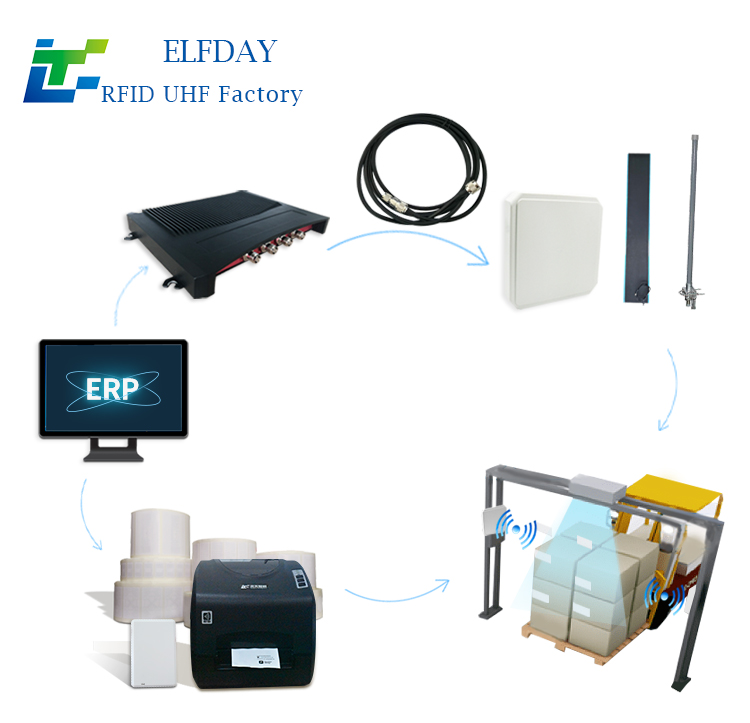
- RFID/NFC readers
- Mobile devices (for NFC use)
- Inventory or ERP systems
- Cloud or IoT platforms
System mismatch is one of the most common implementation failures.
8. Balance Cost vs Performance
Choosing the cheapest option is not always the best strategy.
- Low-cost tags → suitable for short-term or simple tracking
- Mid-range tags → general business applications
- High-performance tags → industrial or mission-critical systems
Always evaluate long-term ROI, not just upfront cost.
9. Plan for Scalability
Your NFC RFID system should grow with your business.
Consider:
- Can the system handle thousands or millions of tags?
- Can it integrate with future IoT or AI systems?
- Will tag standards remain compatible long-term?
Scalability ensures your investment remains valuable.
Selecting the right NFC RFID tag is not just a technical decision—it is a strategic one. By understanding your use case, environment, system requirements, and scalability needs, you can build a reliable and efficient tracking system that delivers long-term value.