



How to Choose the Right NFC RFID Tag for Your Business Needs
Choosing the right NFC RFID tag can significantly impact how efficiently your business tracks assets, manages inventory, and improves operational accuracy. However, with so many tag types, frequencies, and materials available, making the right decision can feel overwhelming.
This guide breaks down the key factors you need to consider so you can confidently select the best NFC RFID tag for your specific business application.
1. Understand Your Use Case First
Before selecting any NFC RFID tag, clearly define what you need it for. Different applications require different tag features.
Common use cases include:
- Inventory and warehouse tracking
- Asset management and maintenance tracking
- Retail product identification
- Supply chain and logistics monitoring
- Equipment authentication and anti-counterfeiting
Each scenario requires a different balance of range, durability, and memory capacity.
2. Choose Between NFC and RFID Technology
Although often grouped together, NFC and RFID serve slightly different purposes.
- NFC (Near Field Communication):
Best for short-range, user-interaction applications such as mobile scanning, authentication, or customer engagement. - RFID (Radio Frequency Identification):
Better for long-range and bulk scanning, commonly used in logistics, warehouses, and industrial environments.
If your system requires both, hybrid NFC RFID tags are also available.
3. Consider Read Range Requirements
One of the most important selection criteria is how far away the tag needs to be read.
- Short range (1–10 cm): NFC applications
- Medium range (1–3 meters): standard RFID tags
- Long range (5–10+ meters): UHF RFID tags
For warehouse or supply chain tracking, longer read range improves efficiency. For access control or mobile interaction, short-range NFC is often enough.
4. Evaluate Environmental Conditions
Not all NFC RFID tags are designed for harsh environments. You must consider where the tag will be used.
Ask yourself:
- Will it be exposed to heat or cold?
- Will it be used outdoors?
- Will it face water, chemicals, or dust?
- Will it be attached to metal surfaces?
For industrial or outdoor use, choose tags with:
- Waterproof or IP-rated protection
- Heat-resistant materials
- Anti-metal shielding layers
5. Check Memory Capacity and Data Needs
Different NFC RFID tags come with different memory sizes.
- Basic tags: store simple IDs or URLs
- Advanced tags: store product details, maintenance logs, or authentication data
If your system relies on cloud-based tracking, a smaller memory tag may be enough. For offline data storage, choose higher-capacity tags.
6. Select the Right Form Factor
NFC RFID tags come in various physical forms:
- Stickers/labels (low-cost, flexible)
- Hard tags (durable for industrial use)
- Wristbands (events or healthcare)
- Cards (access control and identity systems)
- Embedded tags (manufacturing integration)
Your choice should match how and where the tag will be applied.
7. Compatibility with Existing Systems
Before purchasing NFC RFID tags, ensure they are compatible with your current infrastructure.
Check for compatibility with:
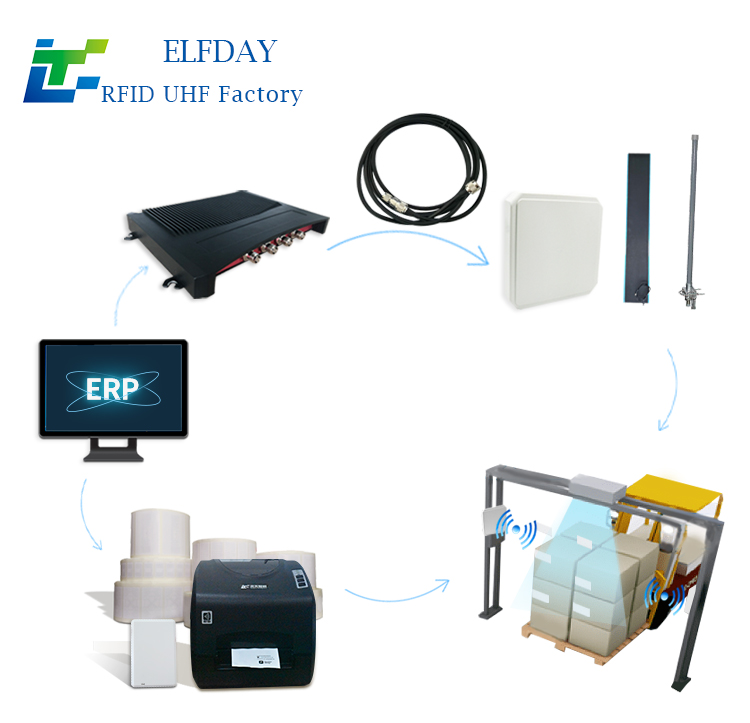
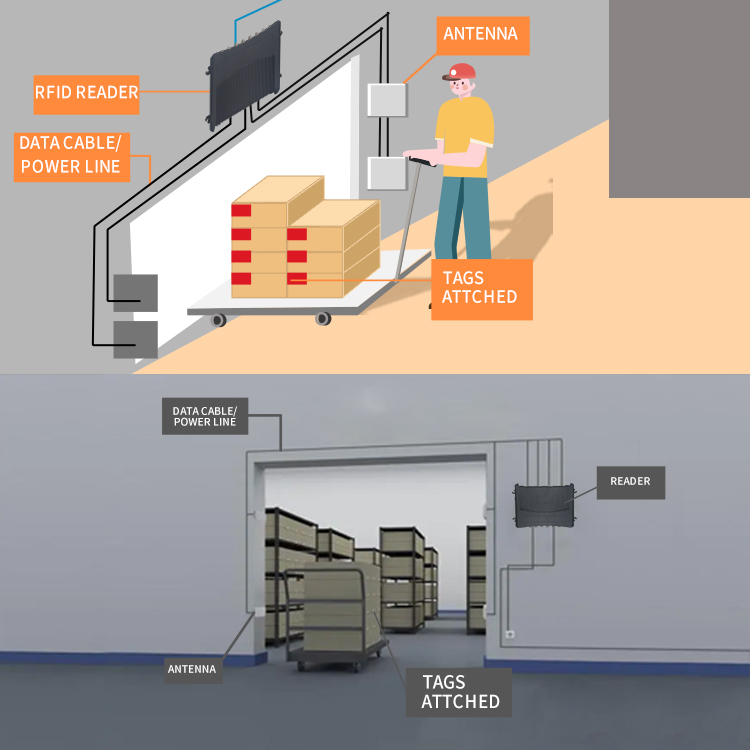
- RFID readers or scanners
- Mobile devices (for NFC use)
- Inventory management systems (WMS/ERP)
- IoT platforms
System compatibility prevents costly integration issues later.
8. Budget vs Performance Balance
While cheaper tags may seem attractive, they may not always perform reliably in demanding environments.
When evaluating cost:
- Low-cost tags → suitable for short-term or low-risk use
- Mid-range tags → general business applications
- High-performance tags → industrial or critical tracking systems
Focus on long-term efficiency rather than upfront price alone.
9. Scalability for Future Growth
A good NFC RFID system should grow with your business.
Consider:
- Can the system handle thousands or millions of tags?
- Can it integrate with future IoT upgrades?
- Is the tag technology widely supported?
Scalability ensures your investment remains valuable over time.
Selecting the right NFC RFID tag is not just a technical decision—it’s a strategic business choice. By evaluating your use case, environment, range, and system compatibility, you can build a reliable and efficient tracking system that improves accuracy and reduces operational costs.
A well-chosen NFC RFID solution doesn’t just track items—it transforms how your business operates.