



How RFID Asset Tags Improve Accuracy and Reduce Tracking Errors
In today’s fast-paced operations environment, managing physical assets with precision has become more important than ever. Manual tracking methods and barcode-based systems are increasingly showing their limitations, especially when businesses scale. This is where RFID asset tags are transforming the way organizations track, manage, and protect their assets.
By enabling real-time data capture and eliminating many human errors, RFID technology significantly improves accuracy while reducing costly tracking mistakes.
The Problem with Traditional Asset Tracking
Many organizations still rely on spreadsheets, barcode scanning, or manual audits to track assets. While these methods can work in small environments, they often lead to:
- Human scanning errors
- Missed or duplicated entries
- Time-consuming audits
- Outdated or delayed inventory records
Even a small error rate can lead to misplaced equipment, financial loss, or operational inefficiencies. As asset volume increases, these problems grow exponentially.
What Makes RFID Asset Tags Different?
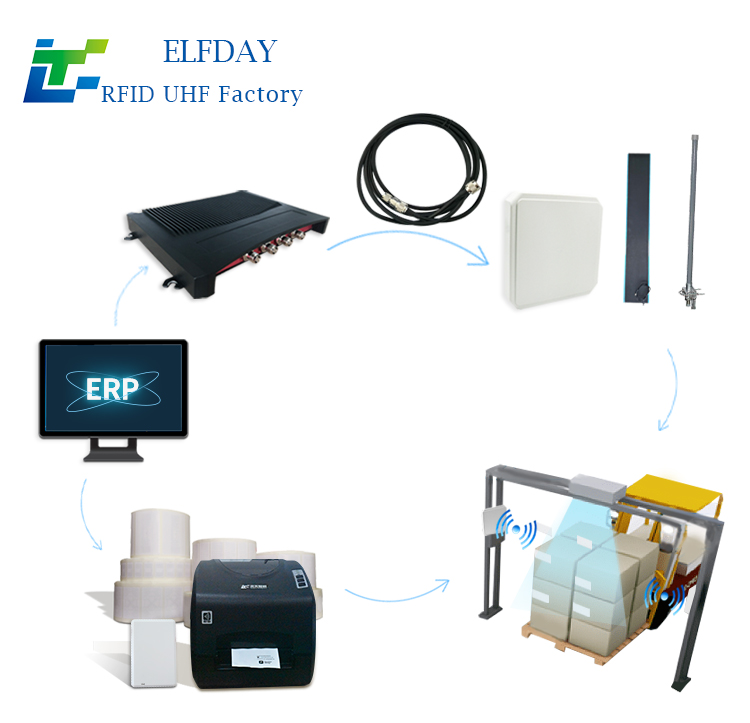
RFID (Radio Frequency Identification) asset tags use radio waves to automatically identify and track items without requiring line-of-sight scanning. Unlike barcodes, RFID tags can be read in bulk and from a distance.
This allows organizations to capture accurate data in real time, even in complex environments such as warehouses, hospitals, or manufacturing facilities.
Key advantages include:
- Automatic identification without manual scanning
- Ability to read multiple tags simultaneously
- Faster data collection across large asset pools
- Reduced dependency on human interaction
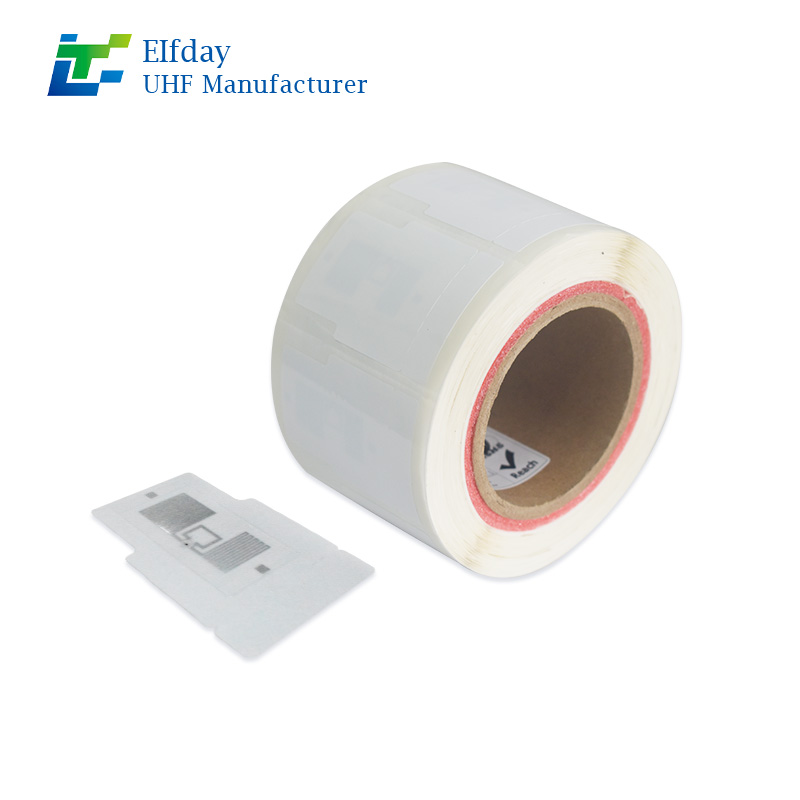
How RFID Asset Tags Improve Accuracy
One of the biggest advantages of RFID asset tags is the dramatic improvement in data accuracy.
1. Eliminating Manual Entry Errors
Because RFID systems automatically capture data, they remove the need for manual input. This significantly reduces typos, missed scans, and duplicate records.
2. Real-Time Data Updates
RFID systems continuously update asset locations as items move. This ensures that records are always current, reducing discrepancies between physical and digital inventories.
3. Full Visibility Across Operations
RFID enables organizations to track assets across multiple locations instantly, improving transparency and reducing blind spots in asset management.
How RFID Reduces Tracking Errors
Tracking errors often occur when assets are moved, transferred, or checked out without proper logging. RFID technology solves this problem in several ways:
1. Bulk Scanning Capability
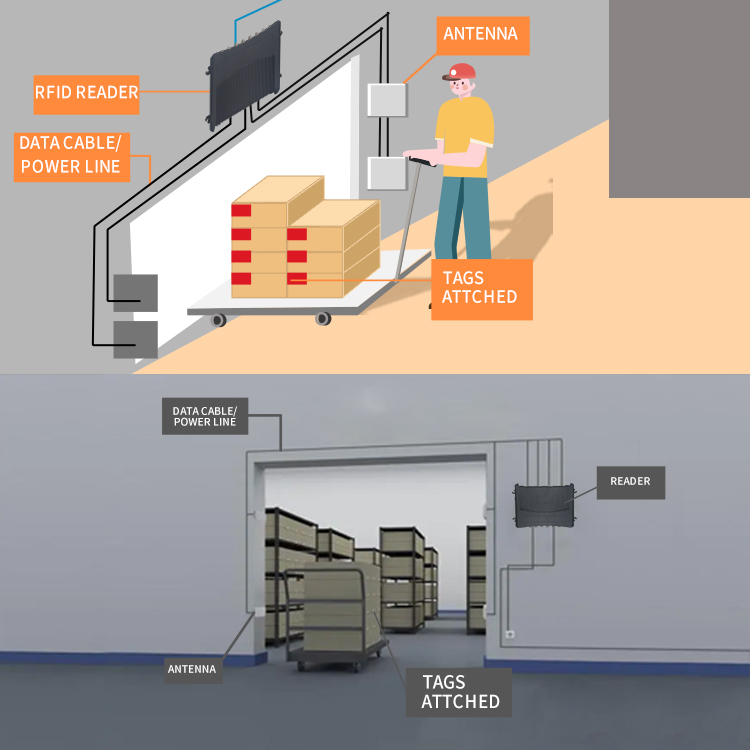
Instead of scanning items one by one, RFID readers can capture dozens or even hundreds of tags at once. This reduces missed items during audits.
2. Reduced Human Dependency
Since scanning is automated or semi-automated, fewer human actions are required—meaning fewer chances for mistakes.
3. Continuous Monitoring
With fixed RFID readers installed in key areas, assets can be tracked as they move through gates, doors, or checkpoints automatically.
Real-World Applications of RFID Asset Tags
RFID asset tracking is widely used across multiple industries:
- Healthcare: Tracking medical equipment and reducing lost devices
- Manufacturing: Monitoring tools and production assets in real time
- Logistics: Improving warehouse inventory accuracy
- Education: Managing IT equipment and shared resources
- Corporate offices: Tracking laptops, furniture, and high-value assets
In each case, RFID reduces uncertainty and improves operational efficiency.
Key Benefits Beyond Accuracy
While accuracy is a major advantage, RFID asset tags also deliver additional business value:
- Faster audits and inventory checks
- Reduced labor costs
- Improved compliance and reporting
- Enhanced theft prevention
- Better asset utilization rates
These benefits make RFID not just a tracking tool, but a strategic asset management solution.
RFID asset tags are redefining how businesses manage physical resources. By eliminating manual errors, improving real-time visibility, and enabling automated tracking, they significantly enhance accuracy and reduce operational mistakes.
As organizations continue to scale and manage more complex asset environments, RFID technology is becoming less of an upgrade—and more of a necessity.