



Can RFID Tags Really Solve Tyre Loss and Inventory Problems?
Tyre loss and inventory mismanagement are often underestimated in logistics, transportation, and fleet-heavy industries. Yet the financial impact is significant—ranging from unnecessary replacements to inaccurate stock records and operational downtime.
This is where RFID tyre tracking and RFID tags enter the conversation. Promising automation, accuracy, and real-time visibility, RFID technology is often positioned as a game-changer. But can it truly solve long-standing tyre loss and inventory issues?
Let’s break it down.
What Causes Tyre Loss and Inventory Problems?
Before understanding the solution, it’s important to identify the root problems:
- Manual tracking errors during tyre installation or removal
- Missing or duplicated inventory records
- Poor visibility across multiple warehouses or fleet locations
- Theft or unauthorized tyre movement
- Lack of lifecycle tracking (usage, rotation, wear history)
In most cases, the issue isn’t just loss—it’s lack of accurate data.
How RFID Tags for Tyres Work
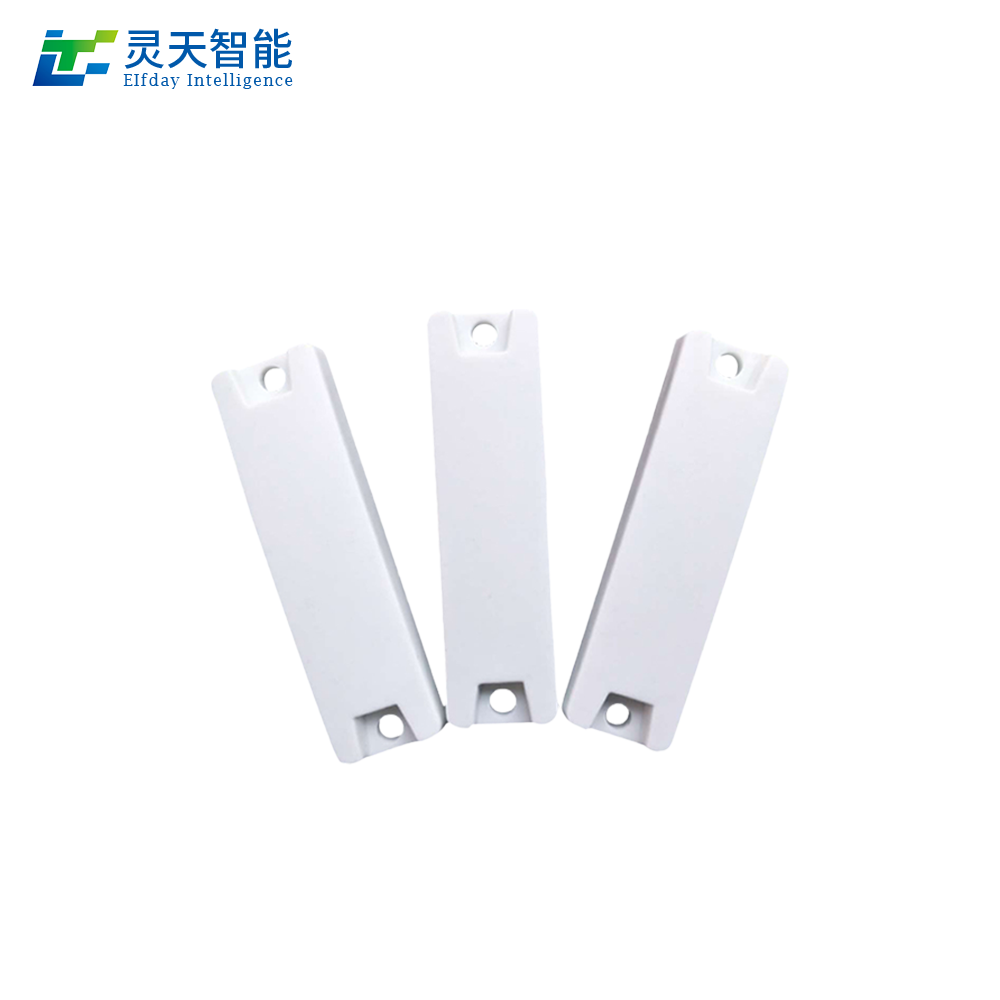
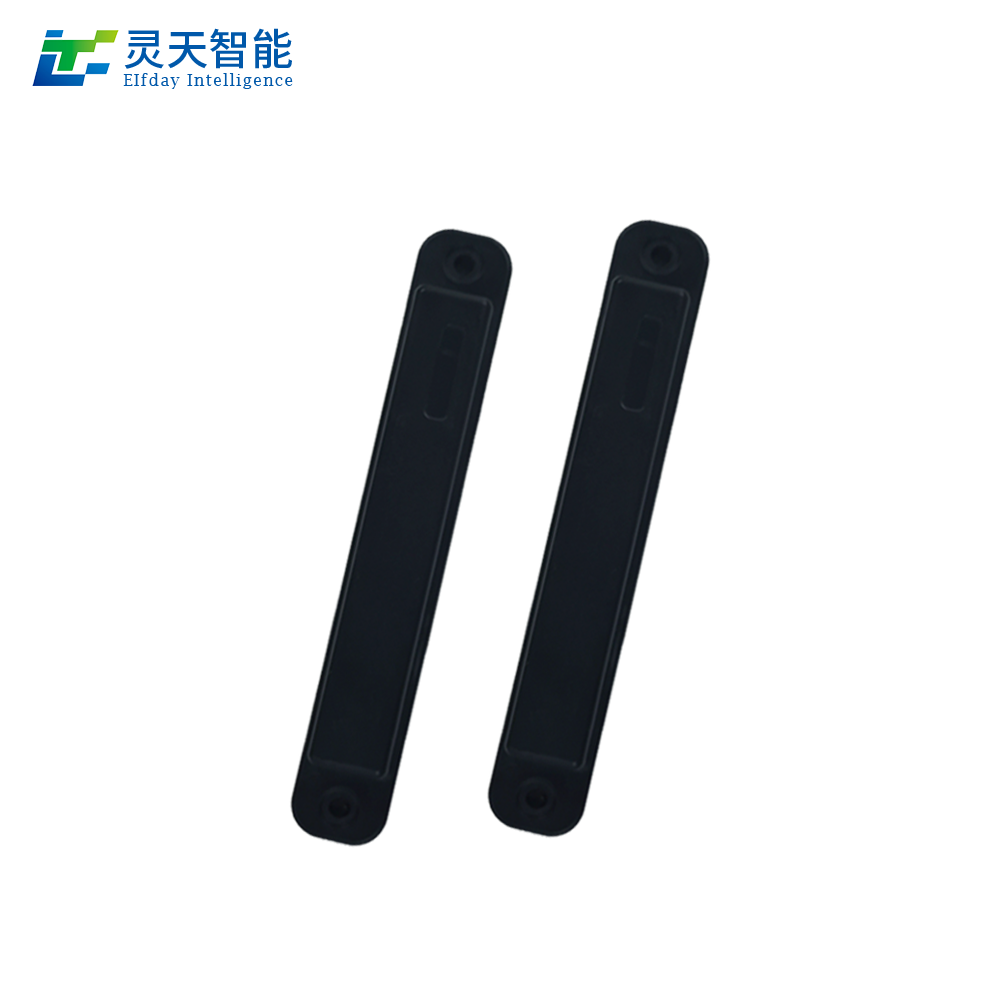
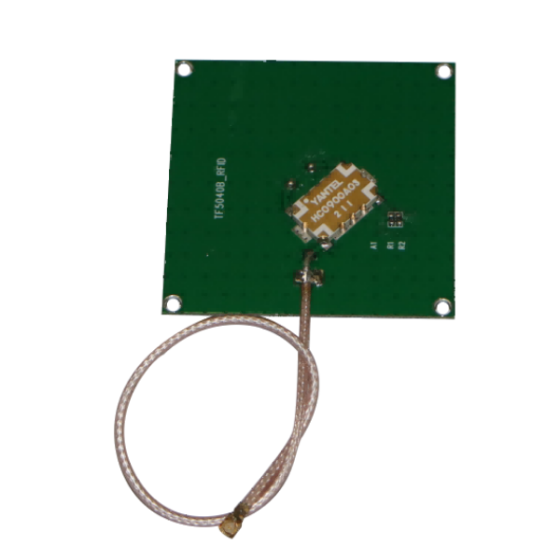
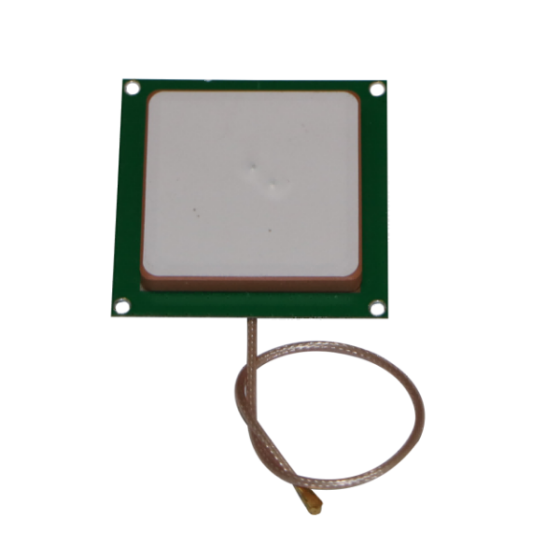
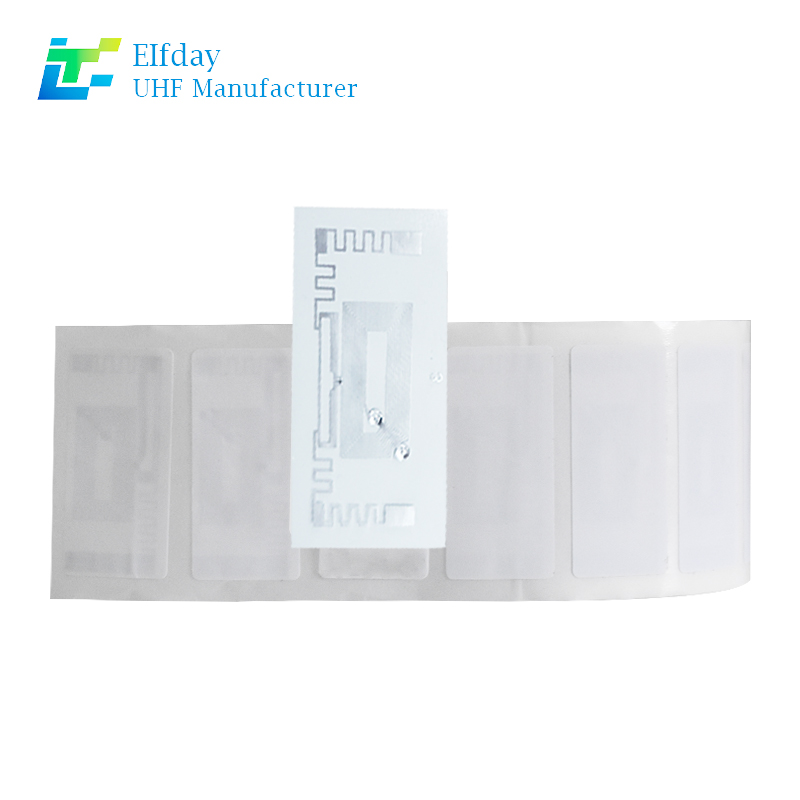
RFID (Radio Frequency Identification) uses small electronic tags attached to each tyre. These tags store unique identification data that can be scanned wirelessly.
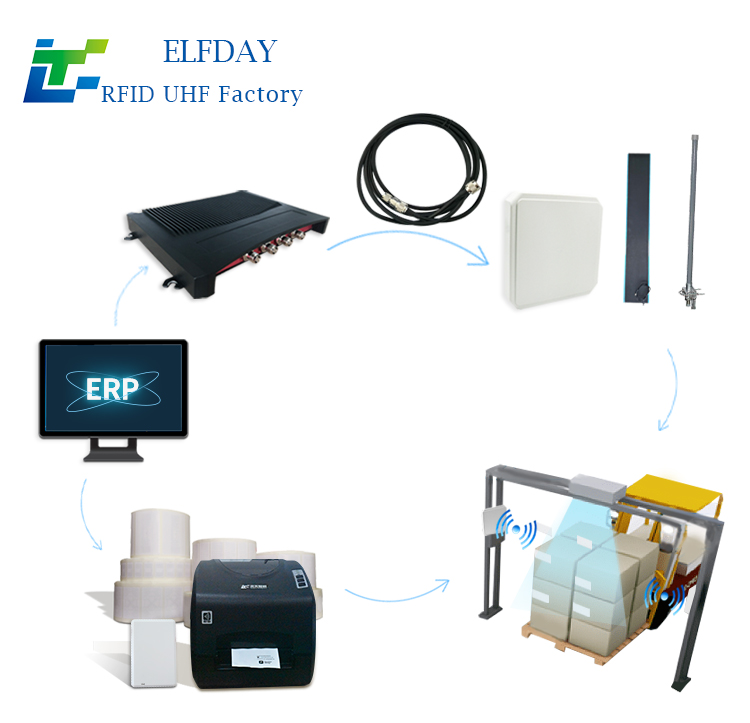
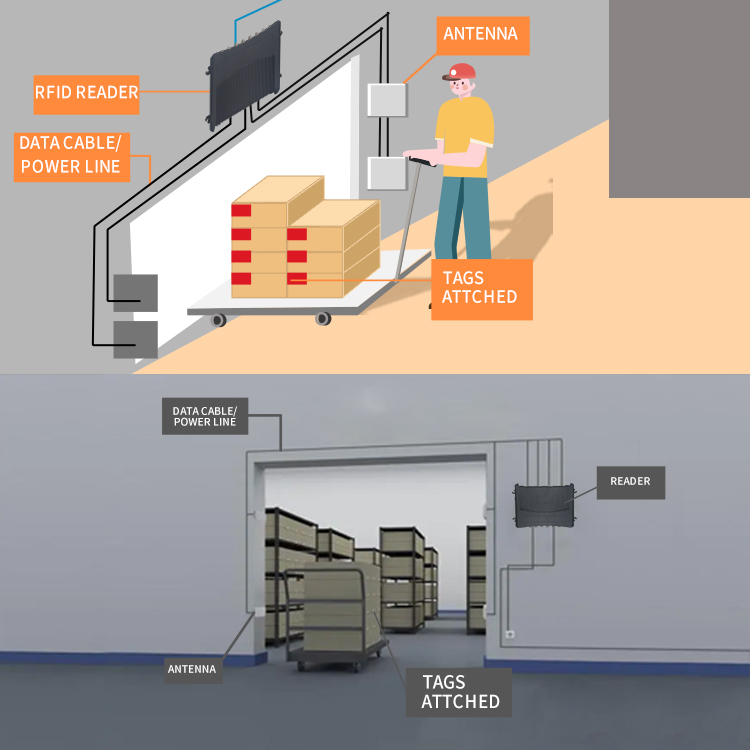
A basic RFID tyre system includes:
- RFID tags embedded or attached to tyres
- RFID readers installed at checkpoints or warehouses
- A centralized software system for real-time tracking
Unlike barcodes, RFID does not require line-of-sight scanning, making it faster and more scalable for large fleets.
Can RFID Tags Really Solve Tyre Loss?
1. Yes—They Eliminate Manual Tracking Errors
Human error is one of the biggest causes of inventory issues. RFID automates identification, ensuring every tyre movement is recorded instantly.
This significantly reduces:
- Mislabeling
- Duplicate entries
- Forgotten updates
2. They Improve Real-Time Visibility
With RFID, every tyre has a digital identity. This means operators can instantly know:
- Where a tyre is located
- Whether it is in storage or in use
- When it was last scanned
This level of visibility is nearly impossible with traditional tracking methods.
3. They Help Detect Loss and Theft Faster
One of the biggest advantages of RFID is traceability.
If a tyre moves without being scanned at a checkpoint, the system can flag it immediately. This helps reduce:
- Internal theft
- Unauthorized relocation
- Missing inventory at audits
4. They Support Lifecycle Management
RFID tags are not just for tracking location—they also help manage:
- Tyre usage cycles
- Rotation schedules
- Maintenance history
- Replacement timing
This reduces premature loss and extends asset life.
Where RFID Still Has Limitations
While RFID is powerful, it is not a perfect system.
Some challenges include:
- Initial setup cost (tags + readers + integration)
- Tag durability under extreme tyre conditions
- System integration complexity in older operations
- Need for proper scanning infrastructure
In other words, RFID solves visibility—but only if implemented correctly.
RFID Tyre Tracking vs Traditional Methods
| Feature | Traditional Tracking | RFID Tyre Tags |
|---|---|---|
| Accuracy | Low–Medium | High |
| Real-time data | No | Yes |
| Manual input | Required | Minimal |
| Theft detection | Weak | Strong |
| Scalability | Limited | High |
The comparison clearly shows why many industries are shifting toward RFID-based systems.
So, Can RFID Tags Really Solve the Problem?
The answer is yes—but with conditions.
RFID tags can dramatically reduce tyre loss and inventory issues by improving visibility, automation, and accuracy. However, they are not a standalone “magic fix.”
To be truly effective, RFID must be combined with:
- Proper process design
- Staff training
- Integrated inventory software
- Consistent scanning discipline
When these elements align, RFID becomes a powerful system—not just a tracking tool.
Tyre loss and inventory problems are rarely about the tyres themselves—they are about data gaps in the system.
RFID tyre tracking closes those gaps by turning physical assets into trackable digital records. For organizations struggling with inefficiency, it represents one of the most practical upgrades available today.
The real question is no longer whether RFID works—but how quickly businesses can adapt to it.