



RFID Cable Tracking for Efficient Inventory and Asset Control
In industries where thousands of cables move between warehouses, job sites, and equipment racks, losing track of even a small batch can lead to costly delays and operational chaos. Traditional labeling methods—like printed tags or barcodes—often fall short when cables are exposed to dust, heat, bending, or long-distance logistics.
This is where RFID cable tracking becomes a game-changer.
By embedding or attaching RFID tags to cable bundles or individual cables, businesses can achieve automated identification, real-time tracking, and highly accurate inventory control without manual scanning.
Why Traditional Cable Tracking Fails
Most companies still rely on manual recording systems or barcode labels. These methods come with clear limitations:
- Labels can fall off or become unreadable
- Manual scanning is time-consuming and error-prone
- No real-time visibility of cable movement
- Difficult to manage large-scale inventories
- High labor costs for audits and checks
As infrastructure projects and data systems grow more complex, these issues become increasingly expensive.
How RFID Cable Tracking Works
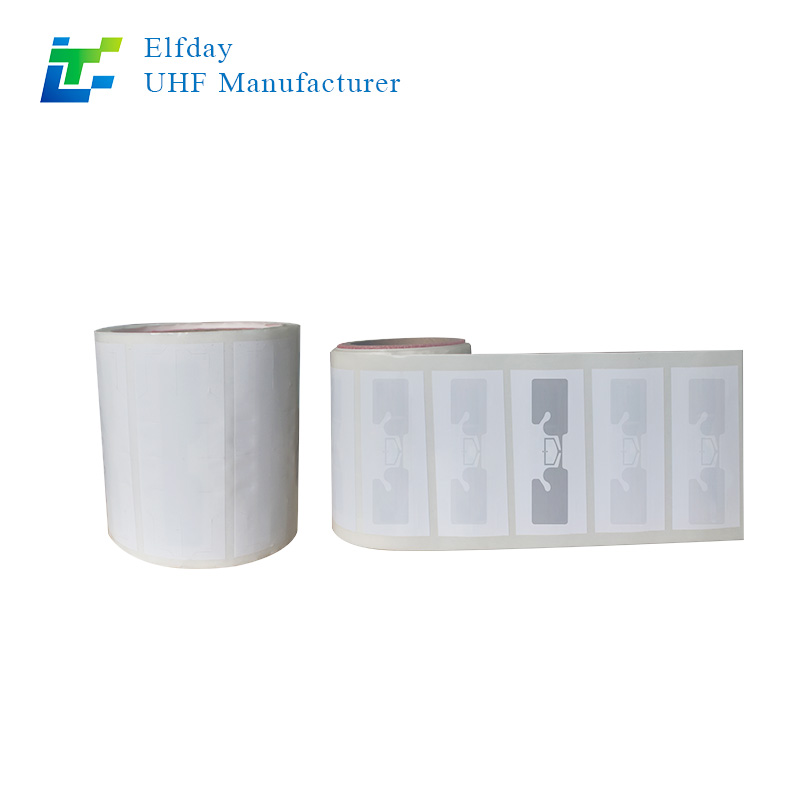
RFID (Radio Frequency Identification) uses radio waves to automatically identify and track tagged objects. In cable management, RFID tags are attached to reels, bundles, or protective sleeves.
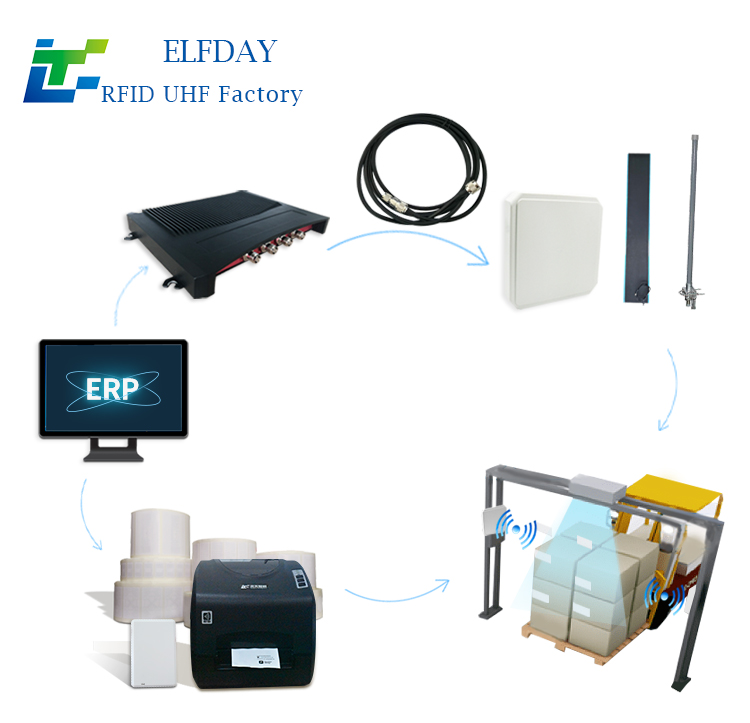
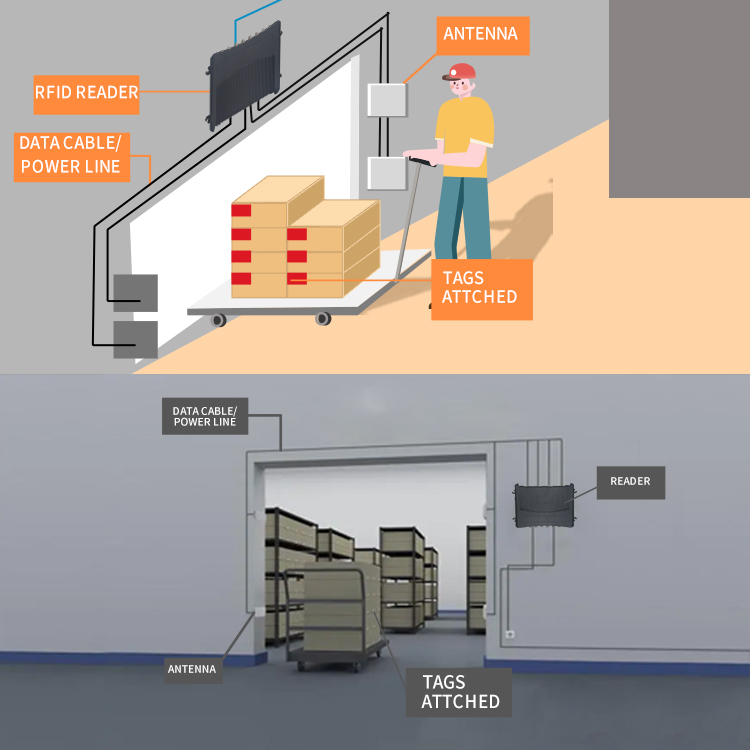
A typical RFID cable tracking system includes:
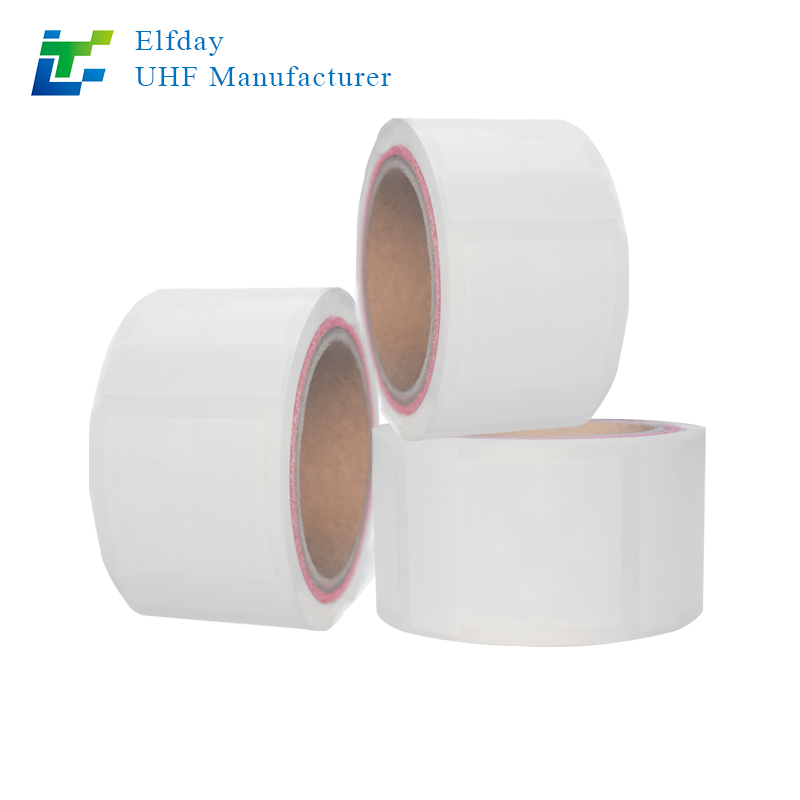
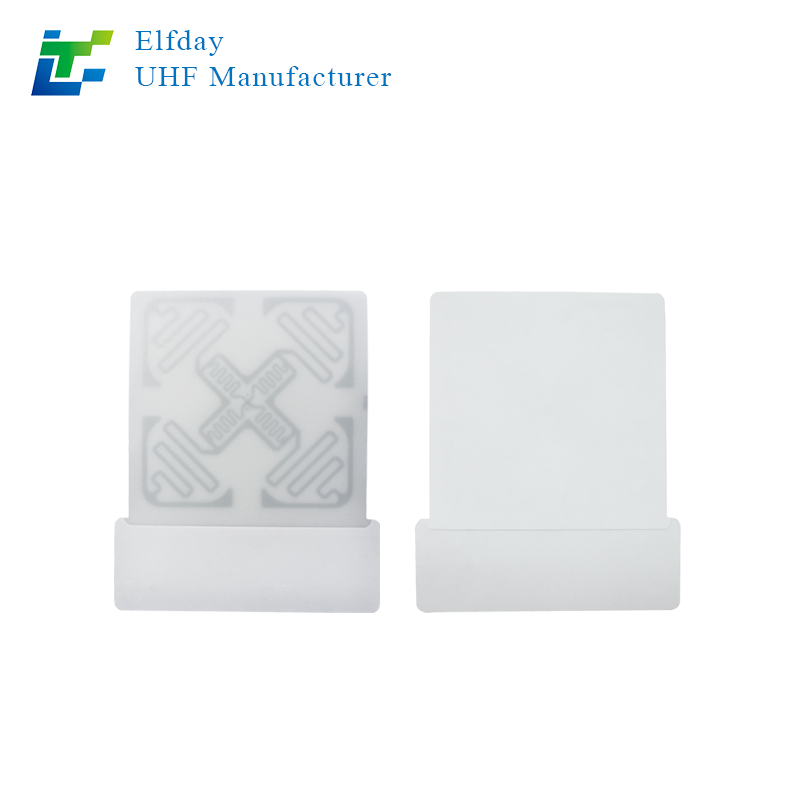
- RFID tags attached to cables or reels
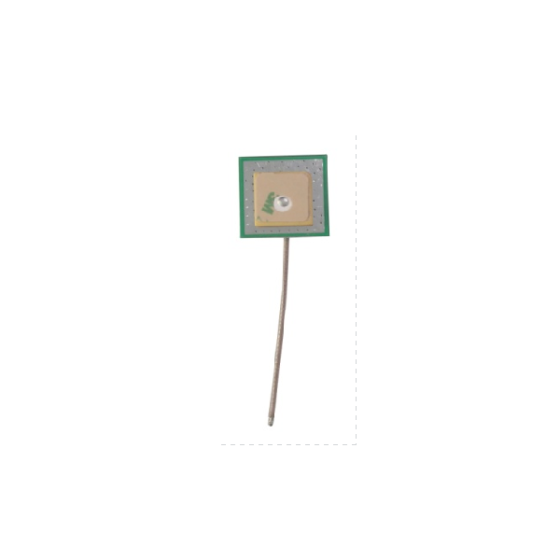
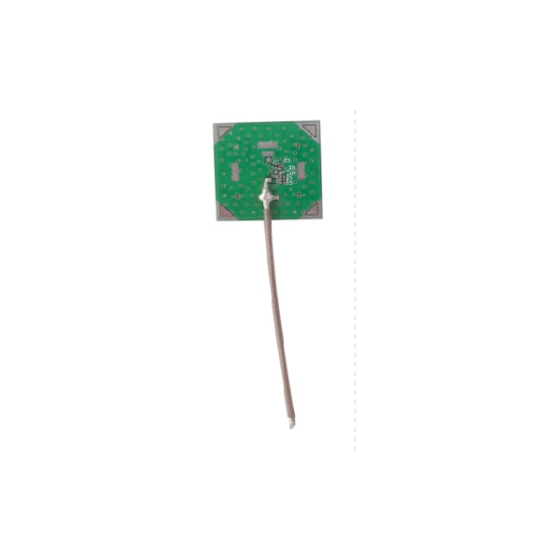
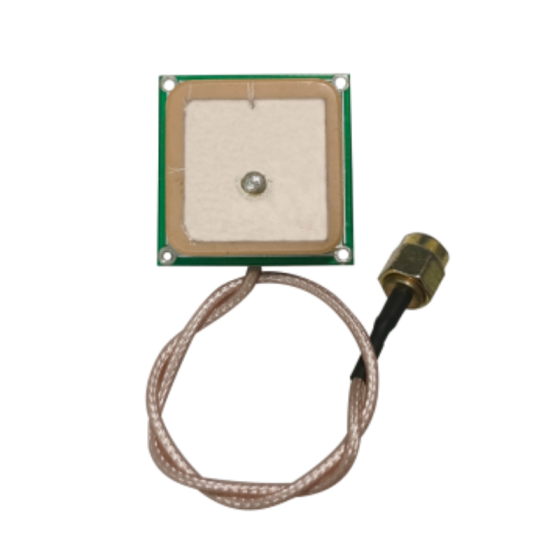
- RFID readers installed at warehouses, gates, or workstations
- Management software that records and visualizes movement data
When cables pass near a reader, the system captures data instantly—no line-of-sight required.
Key Benefits of RFID Cable Tracking
1. Real-Time Visibility
Track cable movement instantly across storage, transit, and deployment locations.
2. Higher Inventory Accuracy
Reduce human error and maintain precise stock records automatically.
3. Faster Operations
Eliminate manual scanning and speed up warehouse and project workflows.
4. Loss and Theft Reduction
Know exactly when and where cables move, reducing misplaced or missing assets.
5. Scalable for Large Projects
Ideal for telecom, construction, energy, and data center deployments.
Where RFID Cable Tracking Is Used
RFID cable tracking is widely used across industries such as:
- Telecommunications infrastructure projects
- Power and utility companies
- Data center cable management
- Construction and engineering sites
- Industrial manufacturing environments
Anywhere cables are stored, transported, or installed, RFID improves traceability and control.
Challenges to Consider
While RFID cable tracking offers strong advantages, implementation requires planning:
- Choosing durable RFID tags suitable for harsh environments
- Ensuring reader coverage in key movement zones
- Integrating with existing inventory systems
- Initial setup and hardware investment
However, most organizations find that efficiency gains quickly offset these costs.